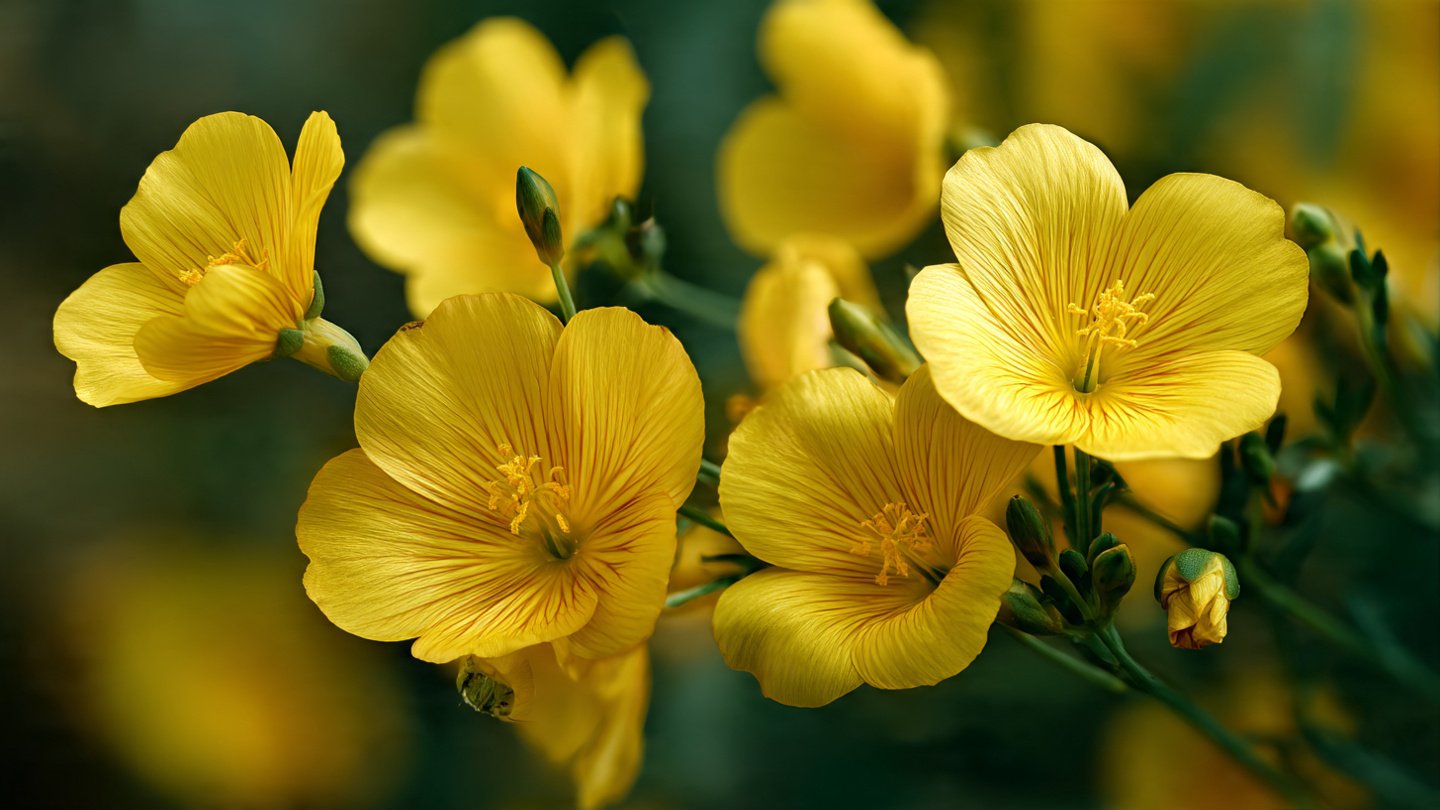
If you’re searching for a bright, cheerful addition to your garden or balcony, Linum flavum—commonly called the golden flax or yellow flax—is a plant that will make your space glow. Known for its vivid golden-yellow flowers and delicate, fine foliage, Linum flavum exudes charm and elegance, earning it the nickname “sunshine flower.”
Growing this plant at home is not only aesthetically rewarding but also surprisingly easy, making it perfect for both beginner and experienced gardeners. In this guide, we’ll explore everything you need to know about growing Linum flavum successfully, from soil preparation and planting to watering, pruning, and design tips for maximum impact.
Why Linum Flavum Is Worth Growing at Home
Linum flavum is more than just a beautiful ornamental plant. Here’s why it deserves a spot in your garden:
- Vibrant Color: The golden-yellow flowers brighten any space, creating a cheerful, sunny ambiance.
- Low Maintenance: It’s drought-tolerant and resilient, thriving in poor soils where other plants might struggle.
- Compact Growth: Linum flavum grows in a neat, upright form, making it perfect for borders, rock gardens, and containers.
- Pollinator-Friendly: Its flowers attract bees and butterflies, supporting local pollination and biodiversity.
- Seasonal Appeal: Blooming in late spring to summer, Linum flavum fills gaps in the garden with radiant color.
The combination of beauty, resilience, and low maintenance makes this plant a must-have for gardeners who want a splash of sunshine without high upkeep.
Selecting the Right Location
Linum flavum thrives under specific growing conditions, so choosing the right location is crucial:
- Full Sun: This plant prefers at least 6–8 hours of direct sunlight daily. Adequate sun ensures vibrant blooms and strong growth.
- Well-Draining Soil: Avoid waterlogged areas. Linum flavum naturally grows in rocky or sandy soils, so ensure your planting site drains quickly.
- Sheltered Spot: While it tolerates wind, a lightly sheltered position can prevent delicate stems from bending or breaking.
Pro Tip: For container gardening, place the pot in a sunny balcony corner or near a south-facing window indoors.
Preparing the Soil for Linum Flavum
Proper soil preparation is key to ensuring your golden flax thrives:
- Soil Type: Linum flavum prefers light, sandy, or loamy soil. Heavy clay soils should be amended with sand or gravel to improve drainage.
- pH Level: Slightly alkaline to neutral soil (pH 6.5–7.5) is ideal. You can add a small amount of garden lime if your soil is too acidic.
- Nutrients: This plant does well in poor soils, but adding a small amount of compost at planting can help young plants establish quickly. Avoid over-fertilizing, as excess nutrients can reduce flower production.
Pro Tip: Create a rock garden or raised bed with sandy soil to mimic Linum flavum’s natural alpine environment for optimal growth.
How to Plant Linum Flavum
You can grow Linum flavum from seeds or young plants, and both methods are effective if done properly.
1. Growing from Seeds
- Timing: Start seeds in early spring indoors or sow directly outdoors after the last frost.
- Preparation: Soak seeds overnight to improve germination.
- Sowing: Plant seeds about ¼ inch deep in seed-starting mix.
- Germination: Keep the soil moist but not waterlogged. Seeds typically germinate in 10–20 days.
- Transplanting: Once seedlings develop several true leaves and the danger of frost has passed, transplant them to their permanent location.
2. Planting Young Plants
- Space plants 8–12 inches apart to allow airflow and reduce overcrowding.
- Dig a hole slightly larger than the root ball, place the plant, and backfill gently.
- Water immediately to help establish roots.
Pro Tip: If growing in containers, choose a pot at least 8–10 inches deep with drainage holes to prevent water accumulation.
Watering Linum Flavum
Despite its delicate appearance, Linum flavum is surprisingly drought-tolerant once established:
- Young Plants: Keep the soil slightly moist for the first few weeks after planting.
- Established Plants: Water sparingly, allowing the soil to dry between watering. Overwatering can lead to root rot.
- Container Plants: Ensure the pot drains well, and water only when the top inch of soil feels dry.
Pro Tip: Mulching with gravel or small stones helps retain soil moisture and keeps the base of the plant dry, reducing fungal risks.
Fertilizing and Feeding
Linum flavum doesn’t require heavy fertilization:
- Apply a balanced, slow-release fertilizer once in early spring.
- Avoid nitrogen-rich fertilizers, which encourage leaf growth at the expense of flowers.
- Compost or a light top dressing of organic matter can provide nutrients without overfeeding.
Pro Tip: Remember, this plant thrives in low-fertility soil, and too much fertilizer can make it leggy and reduce flower density.
Pruning and Maintenance
Pruning Linum flavum helps maintain its compact form and encourages more blooms:
- Deadheading: Remove spent flowers to prolong the blooming period.
- Trimming: Cut back stems after flowering to encourage new shoots.
- Winter Care: In colder regions, apply a thin mulch layer to protect roots from frost. In mild climates, pruning in late autumn is sufficient.
Pro Tip: Avoid heavy pruning during the growing season, as it may reduce flower production.
Pest and Disease Management
Linum flavum is generally hardy, but a few pests or issues can occur:
- Aphids: Small insects that suck sap; treat with insecticidal soap or neem oil.
- Fungal Diseases: Overwatering or poor airflow can cause root rot or powdery mildew. Proper spacing and soil drainage reduce these risks.
- Slugs and Snails: Rarely an issue, but a light barrier of gravel can protect young plants.
Regular observation and good gardening hygiene ensure your Linum flavum remains healthy and vibrant.
Design Ideas for Linum Flavum in Your Garden
The bright, golden blooms of Linum flavum lend themselves to creative garden design:
- Borders and Edging: Plant in rows along paths or garden edges for a sunny accent.
- Rock Gardens: Its natural alpine look complements stones and gravel.
- Mixed Flower Beds: Pair with purple, blue, or white flowers for striking color contrast.
- Containers: Perfect for balconies, patios, or window boxes.
- Pollinator Gardens: Mix with lavender, echinacea, or sunflowers to attract bees and butterflies.
By using Linum flavum strategically, you can create a golden focal point that enhances the beauty of any garden space.
Propagation Tips
Besides seeds, Linum flavum can be propagated by cuttings:
- Take semi-hardwood cuttings in late spring or early summer.
- Dip the cut end in rooting hormone to encourage root development.
- Plant in well-draining soil and keep slightly moist until roots establish.
Propagation allows you to expand your golden flax collection without buying new plants, making it an economical and sustainable gardening practice.
Conclusion
Linum flavum, with its radiant yellow blooms and delicate foliage, is truly a golden sunshine flower that can brighten any garden, balcony, or patio. Its compact size, drought tolerance, and low maintenance requirements make it perfect for gardeners of all experience levels. By providing the right soil, sunlight, and care, you can enjoy months of vibrant flowers that attract pollinators and elevate your outdoor space.
Whether you grow it from seeds, young plants, or cuttings, Linum flavum is a plant that delivers both beauty and ease, making it a standout choice for sustainable, colorful gardening. Its sunny disposition is not only visually pleasing but also a reminder that even low-maintenance plants can create maximum impact in your home garden.
Add Linum flavum to your flower beds, containers, or rock gardens, and you’ll enjoy the joy of golden blooms, easy care, and a brighter, happier outdoor space. It’s no wonder gardeners around the world are captivated by this little sunshine flower—once you grow it, you’ll agree: wow, so beautiful!