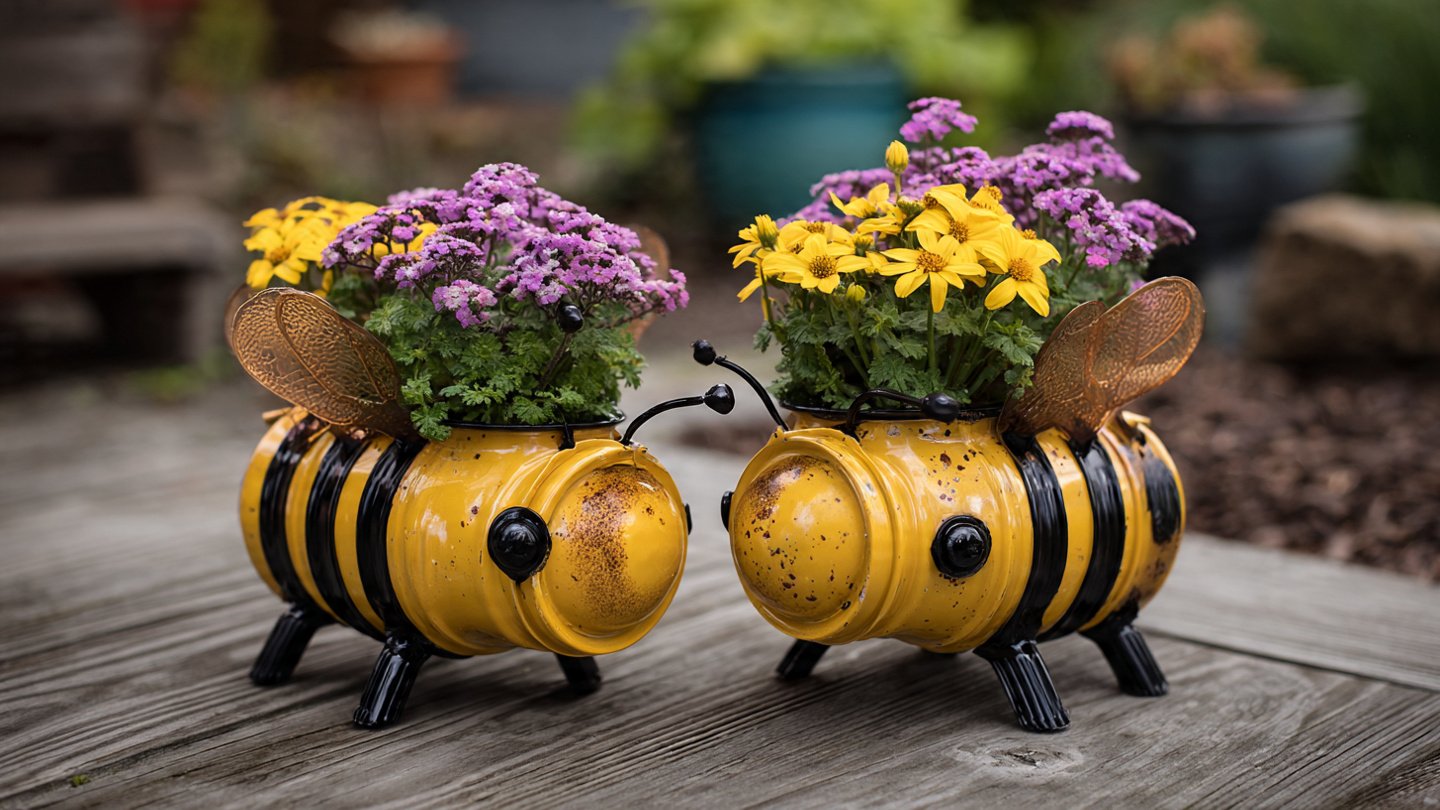
Gardening is not just about growing plants; it’s also about creating an environment that supports nature and wildlife. Bees, one of the most important pollinators, play a vital role in maintaining healthy ecosystems and ensuring the productivity of our gardens. But did you know that you can help them thrive right in your backyard or balcony with a simple DIY project? Creating bee-friendly flower pots from recycled plastic bottles is an easy, eco-friendly, and fun way to support pollinators while beautifying your garden.
In this comprehensive guide, we’ll explore why bees are essential, how to make your own bee flower pots, what flowers to plant, and tips for maintaining them—all while recycling plastic bottles that would otherwise go to waste.
Why Bees Are Important for Your Garden
Bees are responsible for pollinating a vast majority of flowering plants, including vegetables, fruits, and flowers. Without bees, gardens would suffer from reduced yields and less biodiversity. They help plants reproduce, ensuring healthy growth and vibrant blooms.
By planting bee-friendly flowers, you attract these pollinators, which in turn increases the health and productivity of your garden. Creating dedicated spaces like flower pots specifically designed for bees ensures they have access to nectar and pollen, especially in urban areas where natural habitats may be limited.
Benefits of Using Plastic Bottles for DIY Bee Flower Pots
Recycling plastic bottles into flower pots has several advantages:
- Eco-Friendly: Reduces plastic waste and keeps bottles out of landfills.
- Cost-Effective: Plastic bottles are easily available and free, making them a budget-friendly option for gardening.
- Lightweight and Durable: Bottles are easy to handle and resistant to weather conditions.
- Versatile: They can be cut, shaped, painted, or hung to create unique and functional bee-friendly containers.
- Space-Saving: Ideal for vertical gardens, balconies, or small backyard spaces.
With a little creativity, a discarded bottle can become a charming and functional bee flower pot.
Materials You’ll Need
To create your DIY bee flower pots, gather the following materials:
- Empty plastic bottles (any size will work, though 1–2 liters are ideal)
- Scissors or a craft knife (for cutting safely)
- Acrylic paints or permanent markers (optional, for decoration)
- Potting soil suitable for flowers
- Seeds or seedlings of bee-friendly flowers
- String, rope, or wire (if you plan to hang the pots)
- Drill or awl (for making drainage holes)
Safety tip: Always use caution when cutting plastic and consider wearing gloves to avoid cuts.
How to Prepare Plastic Bottles for Planting
Transforming a plastic bottle into a flower pot is simple and straightforward. Follow these steps:
- Clean the Bottle: Rinse thoroughly to remove any residue from drinks or other substances.
- Cut the Bottle: Depending on your design, cut the bottle horizontally, vertically, or create a side opening. For a simple top-down pot, cut off the top 1/3 of the bottle.
- Create Drainage Holes: Using a drill, nail, or awl, make small holes at the bottom to prevent waterlogging. Drainage is essential to maintain healthy roots.
- Optional Hanging Design: If you want a hanging pot, punch two holes near the top and attach string, rope, or wire securely.
These steps turn an ordinary bottle into a functional container ready for soil and flowers.
Choosing the Right Flowers for Bees
Selecting bee-friendly flowers is crucial to attract pollinators. Here are some excellent options:
1. Lavender
Lavender is rich in nectar and has a pleasant fragrance. It grows well in pots and attracts bees consistently.
2. Marigold
Marigolds are easy to grow and come in vibrant colors, providing both beauty and nutrition for bees.
3. Sunflowers
Miniature sunflower varieties can thrive in pots and offer pollen for bees. They also add height and drama to your garden.
4. Borage
Borage produces blue star-shaped flowers rich in nectar, perfect for bees.
5. Cosmos
Cosmos flowers are low-maintenance, bloom repeatedly, and attract pollinators effectively.
6. Alyssum
Sweet alyssum is a compact, fragrant flower that grows well in small pots and attracts bees.
By combining a few varieties, you ensure that bees have a continuous source of nectar throughout the season.
Planting Flowers in Plastic Bottles
Once your bottle is prepared and flowers are selected, follow these steps:
- Add Soil: Fill the bottle with potting soil, leaving 1–2 inches at the top for watering.
- Plant Seeds or Seedlings:
- For seeds: Scatter evenly and cover lightly with soil.
- For seedlings: Make a small hole, place the plant, and firm the soil around it.
- Watering: Water lightly to settle the soil. Ensure it is moist but not waterlogged.
- Placement:
- Sun-loving flowers: Place in a sunny spot for at least 4–6 hours of sunlight daily.
- Partial-shade flowers: Place in an area with filtered light.
Plastic bottles are versatile, so you can arrange them on the ground, stack them vertically, or hang them to maximize space.
Decorating Your Bee Flower Pots
While functional design is the priority, decorating your pots adds charm and personality to your garden. Some ideas include:
- Painted Bottles: Use acrylic paints to add bright patterns or floral designs.
- Markers: Draw bees, flowers, or fun designs with permanent markers.
- Natural Look: Wrap bottles with twine or jute for a rustic style.
- Labeling: Mark the plant type or planting date on the bottle for easy identification.
Decorative pots not only make your garden more inviting but also encourage interaction with children, teaching them about recycling and pollinators.
Caring for Your Bee Flower Pots
Maintaining healthy bee-friendly pots ensures thriving flowers and happy pollinators.
Watering
- Water regularly but allow the soil to dry slightly between watering sessions.
- Avoid overwatering, as plastic pots can retain moisture longer than traditional clay pots.
Fertilizing
- Use organic fertilizers every 3–4 weeks to support flower growth and nectar production.
- Compost or vermicompost works well in small containers.
Pest Management
- Monitor flowers for aphids or other small pests.
- Spray gently with neem oil or a mild soapy solution if necessary.
Rotation
- Rotate hanging or small pots periodically to ensure even sunlight exposure.
With minimal care, your DIY bee flower pots will flourish, attracting pollinators throughout the season.
Encouraging Bees in Your Garden
Creating bee flower pots is just one step. To support pollinators further, consider these tips:
- Plant in Clusters: Bees are attracted to clusters of flowers rather than isolated pots.
- Avoid Pesticides: Chemicals can harm bees, so choose organic gardening practices.
- Provide Water: A shallow dish of water with pebbles allows bees to drink safely.
- Include Native Flowers: Local native plants often produce the nectar and pollen that local bee species prefer.
Together, these practices create a welcoming habitat for bees and other beneficial insects.
Benefits of DIY Bee Flower Pots
Creating bee flower pots from plastic bottles has multiple advantages:
- Supports Pollinators: Directly contributes to the health of your local bee population.
- Recycles Waste: Gives plastic bottles a second life, reducing environmental impact.
- Enhances Garden Beauty: Adds color, height, and structure to your garden.
- Educational Value: Engages children and adults in learning about recycling, gardening, and pollination.
- Accessibility: Anyone can do it with minimal cost and effort, regardless of space.
By combining sustainability with gardening, you create a win-win for both the environment and your outdoor space.
Final Thoughts
DIY bee flower pots from plastic bottles are a wonderful way to recycle, beautify, and support nature simultaneously. They are perfect for small gardens, balconies, rooftop terraces, or any outdoor space where bees and plants can thrive. By selecting bee-friendly flowers, preparing bottles carefully, and maintaining them properly, you can create a vibrant pollinator-friendly garden that benefits both your plants and the ecosystem.
This project is more than just gardening—it’s a creative, eco-conscious, and rewarding activity. Each flower pot becomes a miniature sanctuary for bees, helping sustain their population while bringing beauty and life to your surroundings. Whether you’re a seasoned gardener or a beginner, these DIY bee flower pots offer a simple, enjoyable, and impactful way to make a difference in your garden and the world.
If you want, I can also create a step-by-step visual guide with illustrations showing how to cut bottles, plant flowers, and arrange bee pots—it would make the article very engaging for readers.