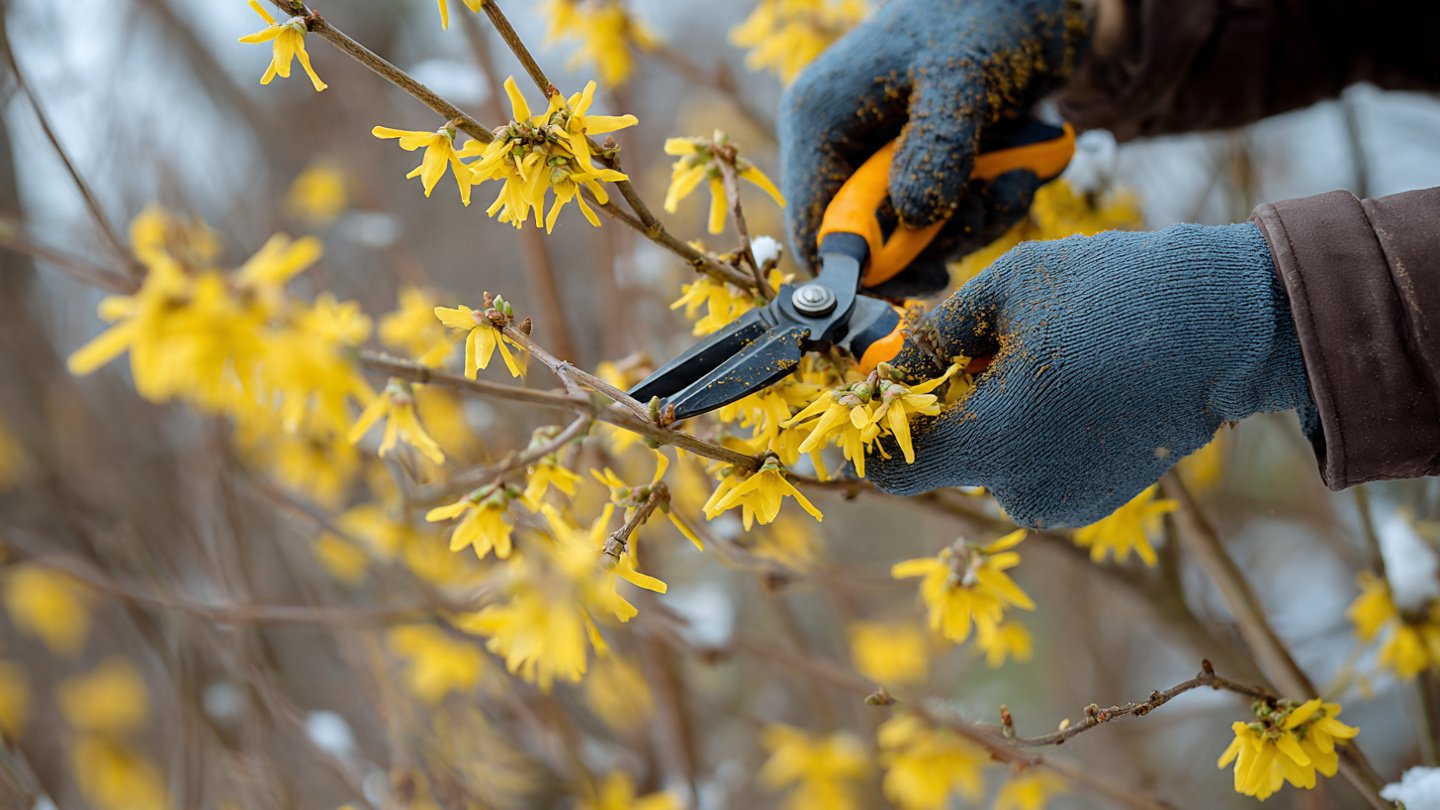
Forsythia, with its vibrant yellow blooms, is one of the earliest harbingers of spring. Its cheerful flowers make it a favorite in gardens and landscapes, but to maintain a healthy, shapely, and flowering plant, proper pruning is essential. Surprisingly, winter is the best time to prune forsythia, even though it may seem counterintuitive to cut back a seemingly dormant plant. This guide will explain why winter pruning works, how to do it correctly, and tips for maintaining a thriving forsythia.
Understanding Forsythia Growth
Before we dive into pruning, it’s important to understand the growth habits of forsythia:
- Forsythia blooms on old wood, meaning that the flowers develop on stems from the previous growing season.
- The plant grows rapidly, often sending up long, leggy shoots if left unpruned.
- Forsythia spreads easily and can become dense, leading to poor air circulation and reduced flowering if not managed.
Knowing these characteristics helps you understand why timing and technique are critical for successful pruning.
Why Winter Is the Best Time to Prune
Pruning in winter has several key advantages:
- Dormancy reduces stress: Forsythia is dormant in winter, meaning the plant is not actively growing. Cutting it back during dormancy minimizes shock and allows energy to be redirected to new growth in spring.
- Easier to see structure: Without leaves, it’s easier to identify dead, damaged, or overcrowded branches, making selective pruning more precise.
- Promotes vigorous growth: Pruning in late winter encourages the plant to produce long, healthy shoots that will bloom beautifully in spring.
- Prevents disease and pests: Cold weather reduces the risk of fungal infections and insect damage on freshly cut stems.
By pruning in winter, you prepare the plant for a lush, vibrant spring display without compromising its health.
When Exactly to Prune
The timing of winter pruning is critical:
- Late winter (January to early March) is ideal, just before the plant breaks dormancy.
- Avoid pruning too early in mid-winter if temperatures are extremely low, as this can damage stems.
- Avoid pruning in late spring after flowering, as this removes next year’s flower buds.
Pruning at the right time ensures maximum flowering and healthy structure.
Tools You’ll Need
Proper tools make the process easier, safer, and more effective:
- Sharp bypass pruners – ideal for cutting small branches cleanly.
- Loppers – for thicker branches up to 1–2 inches in diameter.
- Pruning saw – for large or old stems that need removal.
- Gloves – to protect hands from scratches.
- Disinfectant – rubbing alcohol to clean tools and prevent disease spread.
Using clean, sharp tools ensures cuts heal quickly and reduces stress on the plant.
How to Prune Forsythia Correctly
Follow these steps for effective winter pruning:
Step 1: Remove Dead, Damaged, or Diseased Wood
- Identify stems that are brown, brittle, or show signs of disease.
- Cut them back to the base of the plant or to healthy tissue.
- This opens up the plant, allowing air and light to reach the center.
Step 2: Thin Out Overcrowded Branches
- Forsythia grows vigorously, often resulting in dense clusters.
- Remove older, woody stems that have flowered several times to rejuvenate the plant.
- Aim to remove about one-third of the oldest stems each year, which encourages new growth and keeps the plant balanced.
Step 3: Shape the Plant
- Forsythia naturally forms an arching, vase-like shape.
- Cut back overly long or unruly stems to maintain a pleasing silhouette.
- Avoid cutting too drastically—retain enough length to ensure next season’s blooms.
Step 4: Encourage New Growth
- Cut some stems to about 6–12 inches above the ground to stimulate vigorous basal shoots.
- These new shoots will flower in the next spring, replenishing the plant’s floral display.
Step 5: Step Back and Assess
- After pruning, step back and view the plant from a distance.
- Make minor adjustments to ensure symmetry and proper airflow throughout the bush.
Proper pruning ensures your forsythia is healthy, balanced, and ready for abundant blooms.
Common Mistakes to Avoid
Even experienced gardeners can make mistakes when pruning forsythia. Avoid these pitfalls:
- Pruning too late: Cutting stems after flower bud formation will reduce blooms.
- Over-pruning: Removing too many stems can stress the plant and reduce flowering for the year.
- Neglecting thinning: Simply trimming tips without removing older stems results in a crowded, leggy bush.
- Cutting flower buds: Forsythia blooms on old wood, so cutting all previous-season stems eliminates next year’s flowers.
- Using dull tools: Jagged cuts heal slowly and increase susceptibility to disease.
By avoiding these errors, your winter pruning will set your forsythia up for success.
Caring for Forsythia After Pruning
Pruning is only part of the equation. Aftercare ensures your plant thrives:
- Mulching: Apply a layer of mulch around the base to retain soil moisture and regulate temperature.
- Watering: Even in winter, occasional watering may be necessary if the soil is dry.
- Fertilization: In early spring, apply a balanced fertilizer to encourage strong growth and flowering.
- Pest monitoring: Check for aphids or other pests as new growth emerges.
- Weeding: Remove weeds around the base to reduce competition for nutrients.
Proper post-pruning care maximizes the benefits of your work and helps your forsythia flourish.
Benefits of Winter Pruning
Pruning forsythia in winter provides multiple advantages:
- Vibrant spring blooms: Removing old wood and shaping the plant encourages vigorous flowering.
- Healthier plant structure: Thinning improves airflow, reduces disease risk, and strengthens stems.
- Easier maintenance: Regular pruning prevents the plant from becoming overgrown and unmanageable.
- Enhanced aesthetics: A neatly pruned forsythia adds beauty and structure to your garden.
- Longevity: Removing old, weak stems rejuvenates the plant, allowing it to thrive for decades.
Winter pruning is a proactive step that ensures long-term beauty and productivity.
Additional Tips for Success
- Cut at an angle: Make cuts just above a bud or side branch at a 45-degree angle to promote healing.
- Dispose of removed material: Do not leave cut stems in the garden; they can harbor pests and disease.
- Use selective pruning: Focus on removing older and weaker stems rather than indiscriminate cutting.
- Pair with companion planting: Plant early spring bulbs nearby for complementary color when forsythia blooms.
These small considerations make your pruning effort more effective and visually appealing.
Conclusion
Pruning forsythia in winter may seem counterintuitive, but it’s the optimal time to ensure a healthy, beautiful, and bountiful spring display. By understanding the plant’s growth habits, using proper tools, and following correct pruning techniques, you can:
- Remove dead or diseased wood
- Thin overcrowded branches
- Shape the plant for maximum visual appeal
- Encourage vigorous new growth for spring blooms
Winter pruning reduces stress, prevents disease, and lays the foundation for a lush, vibrant forsythia. With a little planning and care, your yellow-flowering shrub will continue to brighten your garden year after year, making winter maintenance a rewarding task rather than a chore.
Remember, the key is timing, precision, and post-pruning care. With these strategies, your forsythia will reward you with a spectacular floral show, welcoming spring with cheerful, golden blooms.