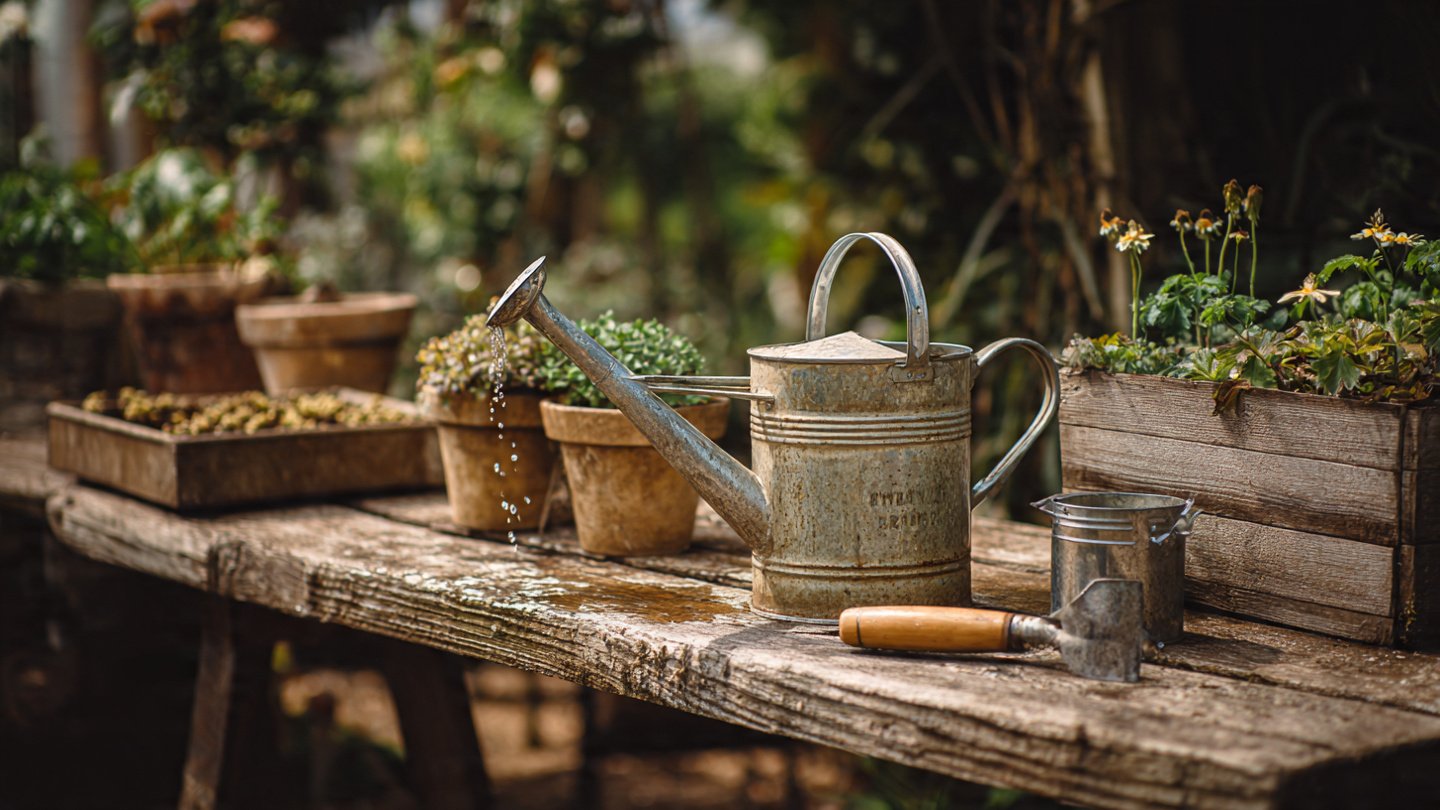
Gardening is a rewarding hobby, providing fresh produce, beautiful flowers, and a connection to nature. But maintaining a healthy garden requires more than just planting and watering. One often overlooked aspect of gardening is keeping your tools clean and sterilized. Dirty tools can spread plant diseases, fungi, and pests from one plant to another, compromising your entire garden. Fortunately, a simple, inexpensive household item—vinegar—is highly effective for sterilizing garden tools. In this guide, we’ll explore why vinegar works, how to use it safely, and practical tips for maintaining clean, disease-free gardening equipment.
1. The Importance of Sterilizing Garden Tools
Garden tools such as pruners, trowels, shears, and shovels come into direct contact with soil, plant sap, and organic matter. This exposure makes them potential carriers of harmful pathogens, including:
- Fungal spores: Powdery mildew, rust, and blight can survive on tools and infect healthy plants.
- Bacterial infections: Bacterial leaf spot and canker can spread through cuts and wounds created by contaminated tools.
- Viruses and pests: While less common, some pests and plant viruses can transfer via pruning and cutting equipment.
Using sterilized tools helps prevent the spread of these diseases, protecting your garden’s health and ensuring stronger, more resilient plants.
2. Why Vinegar Works as a Sterilizer
Vinegar is effective for sterilizing garden tools due to its acidity and natural antimicrobial properties. Here’s why it works:
- Acetic acid: Vinegar contains 5–8% acetic acid, which disrupts the cellular structure of bacteria, fungi, and some viruses.
- Low pH environment: The acidic nature of vinegar creates conditions that are hostile to many microorganisms, effectively killing or inhibiting their growth.
- Non-toxic alternative: Unlike harsh chemical disinfectants, vinegar is safe for humans, pets, and plants when used correctly.
While vinegar may not kill all pathogens, it is highly effective against common bacteria and fungi found in gardens and is excellent for regular maintenance sterilization.
3. Choosing the Right Type of Vinegar
Not all vinegar types are equally suitable for sterilizing garden tools. The most commonly used options include:
- White distilled vinegar: Contains 5–8% acetic acid, making it the most effective and widely available choice.
- Apple cider vinegar: Also effective, but slightly less acidic than distilled vinegar. Can be used in a pinch for light sterilization.
- Cleaning vinegar: Typically contains 6–7% acetic acid and is ideal for heavy-duty sterilization. Avoid flavored or colored vinegars, as they may leave residues.
For routine sterilization, white distilled vinegar is the preferred choice, providing the best balance of efficacy, affordability, and availability.
4. Preparing Vinegar for Sterilization
Vinegar is effective straight from the bottle, but there are ways to optimize it for tool sterilization:
- Full-strength vinegar: Use undiluted vinegar for maximum antimicrobial effect. Soaking tools in full-strength vinegar for 10–30 minutes is generally sufficient.
- Diluted solutions: For light sterilization, dilute vinegar with water (1 part vinegar to 1 part water). This is gentler on metal tools and still effective for routine cleaning.
- Additions for enhanced cleaning: Some gardeners add a teaspoon of liquid soap to help break down sticky sap and debris before sterilizing in vinegar.
Preparing the vinegar solution correctly ensures your tools are effectively sterilized without unnecessary wear or corrosion.
5. Step-by-Step Guide to Sterilizing Garden Tools With Vinegar
Sterilizing tools with vinegar is simple, but proper technique ensures maximum effectiveness:
Step 1: Clean off dirt and debris
Before sterilization, remove soil, plant sap, and residue using a brush or cloth. Vinegar works best on clean surfaces.
Step 2: Soak the tools
Submerge small tools like pruners, shears, and trowels in a container filled with full-strength vinegar. For larger tools, use a spray bottle to coat all surfaces.
Step 3: Allow time for action
Leave the tools in vinegar for at least 10–30 minutes. This ensures the acetic acid penetrates and kills bacteria and fungi.
Step 4: Scrub if necessary
After soaking, scrub the tools with a brush to remove any stubborn sap or residue.
Step 5: Rinse and dry
Rinse tools with clean water to remove excess vinegar, which can be corrosive over time. Dry thoroughly with a clean cloth to prevent rust.
Step 6: Optional oiling
For metal tools, apply a thin layer of mineral oil or vegetable oil to protect against corrosion after sterilization.
By following these steps, you ensure your tools are both clean and safe for continued use in your garden.
6. When to Sterilize Your Tools
Knowing when to sterilize garden tools is as important as knowing how:
- After pruning diseased plants: This is critical to prevent transferring pathogens to healthy plants.
- Between plant types: Sterilize tools when moving from one type of plant to another (e.g., from tomatoes to peppers) to prevent cross-contamination.
- Regular maintenance: Even if plants appear healthy, sterilize tools periodically (e.g., monthly) to maintain hygiene.
- Before storage: Clean and sterilize tools before storing them for winter or off-season periods.
Timely sterilization is key to preventing disease outbreaks and ensuring your garden remains vibrant and productive.
7. Advantages of Using Vinegar Over Other Sterilizers
Vinegar offers several advantages over commercial disinfectants:
- Eco-friendly: It is biodegradable and does not introduce harmful chemicals into the garden or soil.
- Cost-effective: Vinegar is inexpensive and widely available, making it accessible for home gardeners.
- Safe handling: Unlike bleach or alcohol-based disinfectants, vinegar is non-toxic and poses minimal risk during use.
- Versatile: Can be used for a variety of cleaning tasks beyond tools, including pots, planters, and even surfaces in greenhouses.
These benefits make vinegar an ideal choice for gardeners looking for an effective, sustainable sterilization method.
8. Limitations and Precautions
While vinegar is effective, there are some limitations and precautions to keep in mind:
- Not effective against all pathogens: Vinegar may not kill all viruses or spores, so it is best used for routine cleaning and prevention rather than complete sterilization in high-risk situations.
- Corrosive to some metals: Prolonged exposure to vinegar can corrode steel and other metals. Always rinse and dry tools thoroughly after soaking.
- Avoid mixing with bleach: Never combine vinegar with bleach or other chemical cleaners, as this produces toxic gases.
By understanding its limitations, gardeners can use vinegar safely and effectively.
9. Complementary Cleaning Practices
For maximum garden health, vinegar sterilization can be combined with other good cleaning practices:
- Brush off soil daily: Prevent buildup of organic matter on tools.
- Store tools properly: Keep tools in a dry, covered area to prevent rust and contamination.
- Sharpen blades: Sharp blades make cleaner cuts, reducing plant stress and the chance of disease.
- Rotate sterilization methods: Occasionally use rubbing alcohol or boiling water for tools used on high-risk plants for added protection.
These practices complement vinegar sterilization, creating a comprehensive garden hygiene routine.
10. DIY Vinegar Garden Tool Spray
For convenience, gardeners can create a ready-to-use vinegar spray:
Ingredients:
- 1 cup white distilled vinegar
- 1 cup water
- Optional: a few drops of liquid dish soap
Instructions:
- Mix vinegar and water in a spray bottle.
- Add soap if desired to help remove sticky sap.
- Shake well and spray tools thoroughly before and after use.
This spray allows for quick, efficient sterilization without soaking tools, making it ideal for daily gardening activities.
Conclusion
Vinegar is a simple, affordable, and highly effective solution for sterilizing garden tools. Its antimicrobial properties, acidity, and ease of use make it an excellent choice for both amateur and experienced gardeners. By incorporating vinegar into your garden hygiene routine, you can prevent the spread of plant diseases, protect your crops, and maintain a healthy, thriving garden.
Proper sterilization, combined with routine maintenance and thoughtful cleaning practices, ensures that your tools remain safe, durable, and ready for use. The next time you prune, dig, or transplant, remember that a little vinegar goes a long way toward protecting your plants and enhancing your garden’s productivity.
Invest in this simple habit today—your tools, plants, and garden will thank you!