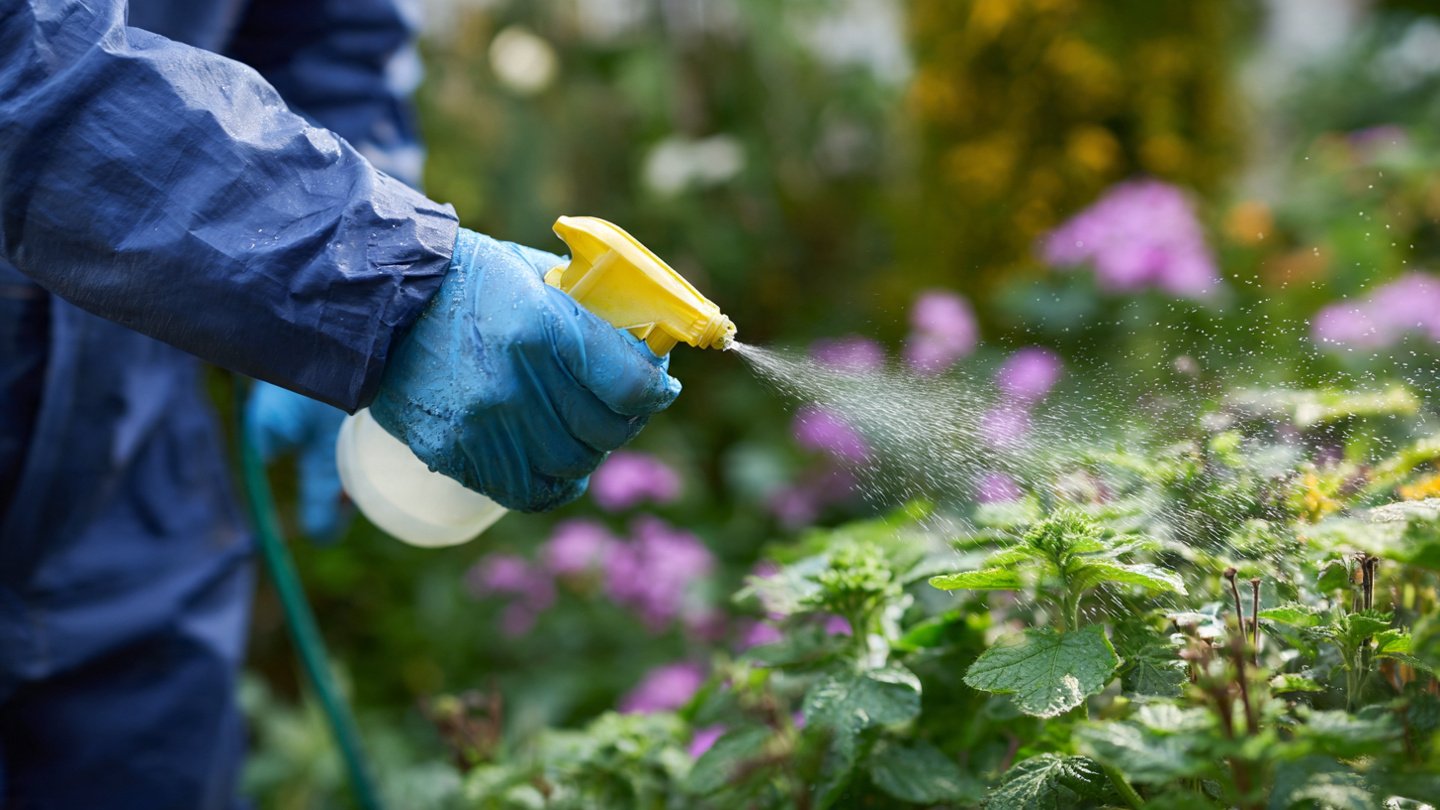
Weeds are one of the most persistent challenges gardeners face. They invade flower beds, vegetable patches, pathways, and even cracks in driveways, competing with desired plants for water, nutrients, and sunlight. While commercial chemical herbicides promise quick results, they often come with environmental risks, health concerns, and long-term soil damage. This has led many home gardeners to search for safer, eco-friendly alternatives. One surprisingly effective solution hiding in plain sight is vinegar spray.
Using vinegar as a weed control method has gained popularity because it is affordable, easy to prepare, and far less harmful than synthetic chemicals. But why exactly should you spritz your garden weeds with vinegar spray? Let’s explore how it works, when it’s effective, its benefits, limitations, and how to use it safely and responsibly.
Understanding How Vinegar Works on Weeds
Vinegar contains acetic acid, the key ingredient responsible for its weed-killing ability. When sprayed directly onto weeds, acetic acid draws moisture out of plant tissues, causing the leaves to dry out and collapse. This process, known as desiccation, disrupts the plant’s ability to photosynthesize, effectively killing or severely weakening it.
Household vinegar typically contains around 5% acetic acid, which is strong enough to kill young, tender weeds. Horticultural or agricultural vinegar, which may contain 10–20% acetic acid, is significantly more potent and effective against tougher weeds but must be used with extra caution.
Why Vinegar Is an Attractive Weed Control Option
1. A Natural and Chemical-Free Alternative
One of the main reasons gardeners turn to vinegar spray is to avoid synthetic herbicides. Chemical weed killers can linger in soil, seep into groundwater, and harm beneficial insects, pets, and even humans. Vinegar breaks down quickly in the environment, leaving no long-term toxic residue.
For gardeners growing food crops, vinegar provides peace of mind. When used carefully and correctly, it reduces the risk of introducing harmful chemicals into edible gardens.
2. Cost-Effective and Easily Available
Vinegar is inexpensive and widely available in grocery stores. Unlike commercial herbicides that may cost significantly more, vinegar-based weed sprays can be made at home using simple ingredients. This makes it especially appealing for large areas like walkways, patios, and driveways where weeds tend to reappear frequently.
3. Fast-Acting Results
One of vinegar’s biggest advantages is how quickly it works. In warm, sunny conditions, weeds sprayed with vinegar can wilt within hours and appear completely dead by the end of the day. This immediate feedback is satisfying for gardeners and reduces the need for repeated applications in the short term.
4. Effective for Small, Young Weeds
Vinegar is particularly effective against young annual weeds that haven’t yet developed deep root systems. Seedlings and soft-leaved weeds are most vulnerable, making vinegar an excellent early-intervention tool before weeds become established and harder to control.
5. Ideal for Hardscape Areas
Vinegar spray works especially well in areas where you don’t want any plant growth at all, such as:
- Cracks in sidewalks and driveways
- Garden paths
- Patio edges
- Fence lines
In these spaces, the non-selective nature of vinegar is actually an advantage.
How to Prepare a Vinegar Weed Spray
Making a basic vinegar weed spray is simple and requires minimal ingredients:
Basic Recipe:
- 1 liter (or 1 quart) white vinegar (5% acetic acid)
Pour the vinegar into a spray bottle and apply directly to weed leaves on a dry, sunny day.
Enhanced Recipe (More Potent):
- 1 liter white vinegar
- 1 tablespoon dish soap
- 1 tablespoon salt (optional)
The dish soap helps the vinegar stick to leaves, while salt enhances the drying effect. However, salt should be used sparingly, as it can harm soil health if overapplied.
Best Time and Method for Application
Timing and technique make a big difference in how effective vinegar spray will be.
Choose the Right Day
- Apply on a hot, sunny, and dry day
- Avoid spraying before rain, which can wash away the vinegar
- Midday is ideal when sunlight intensifies the vinegar’s effect
Target Carefully
Vinegar is a non-selective herbicide, meaning it will damage any plant it touches. Always spray directly onto weeds, avoiding nearby flowers, vegetables, and lawn grass. Using a narrow spray nozzle or shield can improve accuracy.
Focus on Leaves
Vinegar kills weeds by damaging foliage, not roots. Thoroughly coat the leaves for best results. Roots of perennial weeds may survive, requiring repeat applications.
Benefits of Using Vinegar Spray in the Garden
Environmentally Friendly
Vinegar degrades quickly and does not persist in soil like many chemical herbicides. This makes it safer for beneficial organisms when used responsibly.
Pet and Child Safer (With Caution)
While vinegar is much safer than synthetic chemicals, it is still acidic. Once dried, it poses minimal risk compared to commercial weed killers, making it a preferred option for households with pets and children.
Encourages Mindful Gardening
Using vinegar requires careful targeting and observation. This promotes a more hands-on, thoughtful gardening approach rather than blanket chemical applications.
Reduces Herbicide Resistance
Overuse of chemical herbicides can lead to resistant weed species. Vinegar offers a different mode of action, helping diversify weed control strategies.
Limitations and Drawbacks to Consider
Despite its advantages, vinegar is not a perfect solution.
Not Effective on Deep-Rooted Perennials
Weeds like dandelions, bindweed, and crabgrass often regrow because vinegar does not penetrate deeply into roots. Multiple applications may weaken them over time, but complete elimination is unlikely without manual removal.
Can Harm Soil if Overused
Repeated use, especially with salt-enhanced recipes, can negatively affect soil structure and microbial life. Vinegar should be used selectively rather than as a routine soil treatment.
Non-Selective Nature
Vinegar doesn’t discriminate between weeds and desirable plants. Accidental overspray can damage or kill nearby crops and ornamentals.
Stronger Vinegar Requires Care
Horticultural vinegar is more effective but can cause skin burns, eye damage, and respiratory irritation. Protective gloves, goggles, and careful handling are essential.
Where Vinegar Fits in a Smart Weed Management Plan
Vinegar spray works best as part of an integrated weed control strategy rather than a standalone solution. Combine it with:
- Mulching to suppress weed growth
- Hand-pulling for deep-rooted weeds
- Ground covers to crowd out weeds naturally
- Regular monitoring to catch weeds early
This balanced approach minimizes reliance on any single method and promotes a healthier garden ecosystem.
Common Mistakes to Avoid
- Spraying on windy days, which can drift onto plants you want to keep
- Using vinegar repeatedly on the same soil area
- Expecting vinegar to permanently eliminate all weeds
- Applying before rain or irrigation
Understanding these limitations helps set realistic expectations and prevents garden damage.
Is Vinegar Right for Your Garden?
Vinegar spray is ideal if you:
- Want a chemical-free weed control option
- Need fast results on young weeds
- Are managing weeds in paths or hard surfaces
- Prefer low-cost, DIY gardening solutions
However, if your garden struggles with aggressive perennial weeds, vinegar should be paired with other control methods.
Conclusion
Spritzing your garden weeds with vinegar spray is a simple, affordable, and eco-conscious way to manage unwanted growth. Its fast action, availability, and reduced environmental impact make it an appealing alternative to chemical herbicides, especially for home gardeners seeking safer solutions.
While vinegar isn’t a miracle cure for every weed problem, when used correctly and thoughtfully, it can significantly reduce weed pressure and support sustainable gardening practices. By understanding when and how to apply vinegar spray—and recognizing its limitations—you can turn this everyday household item into a powerful ally in maintaining a healthier, more manageable garden.