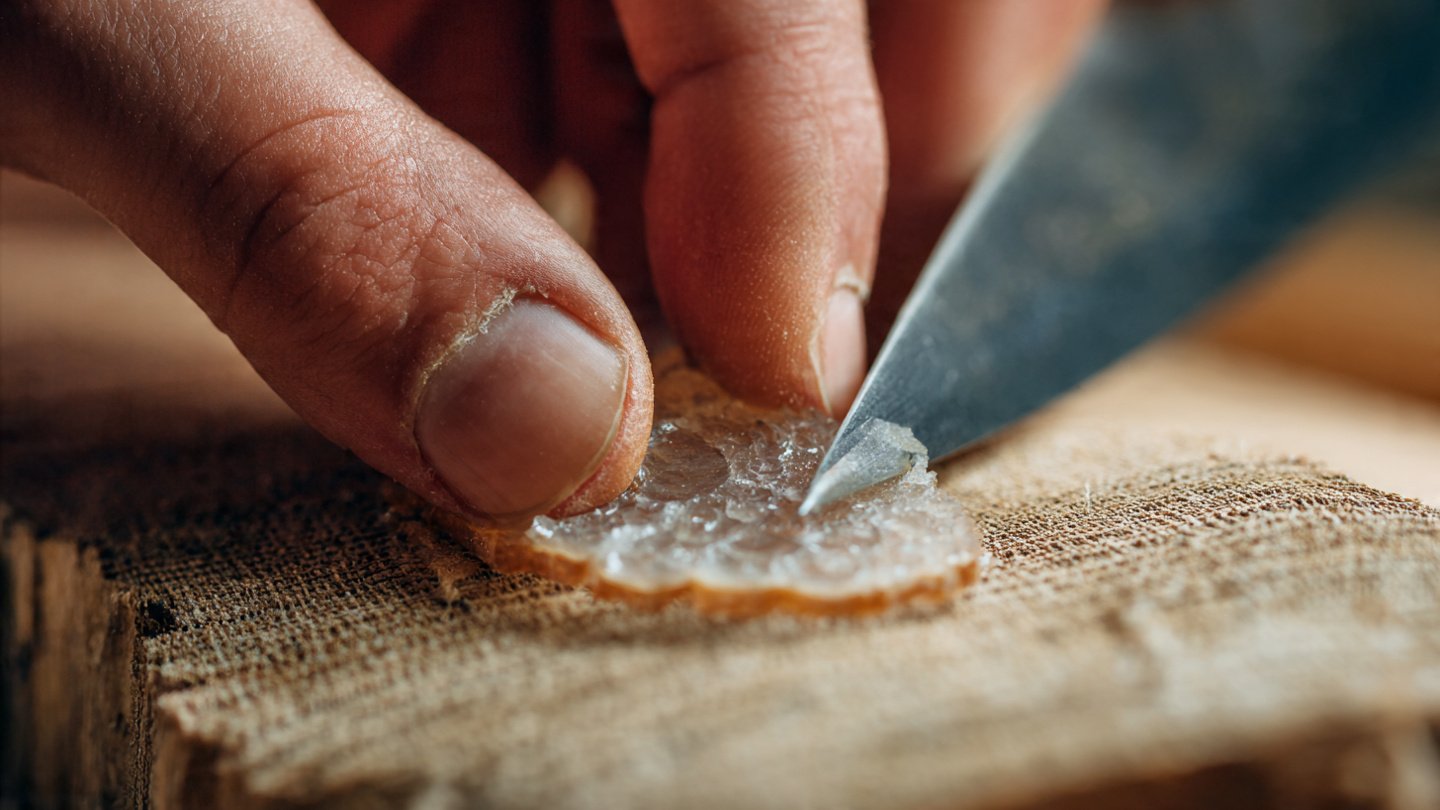
Plant propagation is one of the most rewarding skills for gardeners, whether you’re multiplying your favorite houseplants, herbs, shrubs, or fruit trees. Among the many techniques used in propagation, growing plants from cuttings is especially popular because it’s simple, cost-effective, and often very successful. However, many gardeners—especially beginners—unknowingly sabotage their efforts by handling new cuttings too much. One of the most critical mistakes is touching the callus that forms on a fresh cutting.
Understanding what a callus is, why it forms, and why touching it can harm your plant can dramatically improve your propagation success rate. Let’s explore this important but often overlooked aspect of plant care in detail.
What Is a Callus on a Plant Cutting?
When you take a cutting from a plant, you create an open wound. In response, the plant immediately begins healing itself. The first stage of this healing process is the formation of a callus—a layer of protective, undifferentiated plant cells that seals the cut surface.
This callus serves several vital purposes:
- It prevents moisture loss from the exposed tissue
- It blocks pathogens such as bacteria and fungi
- It creates the foundation for root development
In many plants—especially succulents, woody plants, roses, figs, and fruit trees—roots emerge directly from this callused area.
Why Is the Callus So Important?
The callus is not just a temporary scab; it’s an active biological structure. Inside the callus, cells are rapidly dividing and preparing to specialize into root cells. This delicate transformation is easily disrupted.
A healthy callus means:
- Faster root formation
- Lower risk of rot
- Stronger, healthier root systems
- Higher survival rates for new plants
Damaging this structure, even slightly, can delay or completely stop the rooting process.
Why You Should Avoid Touching the Callus
1. You Can Damage Fragile Cells
The cells in a newly formed callus are extremely soft and sensitive. Unlike hardened plant tissue, they haven’t fully developed protective layers yet. Touching the callus with your fingers—even gently—can crush or tear these fragile cells.
This damage may not be visible immediately, but it can:
- Slow down root initiation
- Cause uneven root growth
- Prevent roots from forming altogether
What looks like harmless curiosity can set your cutting back days or even weeks.
2. Your Hands Carry Harmful Microorganisms
Even clean-looking hands carry bacteria, fungi, and oils. When you touch the callus, you may introduce pathogens directly into the plant’s open wound.
This significantly increases the risk of:
- Stem rot
- Fungal infections
- Bacterial decay
- Complete cutting failure
Once infection sets in, the cutting often collapses before roots can develop.
3. Natural Oils Can Block Root Formation
Human skin produces natural oils and salts. When these substances transfer onto the callus, they can interfere with the plant’s internal signaling process.
Root formation relies on precise hormonal activity, especially auxins. Oils from your skin may:
- Disrupt hormone movement
- Slow cell differentiation
- Create a barrier that roots struggle to penetrate
This is especially problematic for soft-stem and herbaceous cuttings.
4. Reopening the Wound Delays Healing
Every time the callus is touched or rubbed, you risk reopening microscopic tears in the tissue. When this happens, the plant must restart the healing process.
This leads to:
- Repeated callus formation
- Energy loss
- Delayed rooting
- Weakened cutting vitality
Instead of focusing energy on root growth, the plant is forced to keep repairing itself.
5. Increased Risk of Moisture Loss
The callus acts as a moisture seal. Touching it can break this protective barrier, allowing water to escape from the cutting.
Excess moisture loss can cause:
- Wilting
- Shriveling
- Reduced cell activity
- Failure to root
This is particularly dangerous for succulents and semi-woody cuttings that rely on stored moisture.
Plants Especially Sensitive to Callus Damage
While all cuttings benefit from minimal handling, some plants are particularly vulnerable:
- Succulents (jade, aloe, echeveria)
- Roses
- Fig trees
- Bougainvillea
- Grapevines
- Hibiscus
- Fruit trees (guava, lemon, mango)
In these plants, improper handling of the callus is one of the most common reasons for propagation failure.
Common Mistakes Gardeners Make
Many gardeners touch the callus without realizing the harm. Common mistakes include:
- Checking daily to “see if roots are forming”
- Rubbing the cut end to test firmness
- Wiping the cutting before planting
- Repositioning cuttings repeatedly in soil or water
While the intention is good, these habits significantly reduce success rates.
How to Properly Handle New Cuttings
To protect the callus and encourage healthy root development, follow these best practices:
1. Handle Only the Upper Stem
Always hold cuttings by the leaves or upper stem. Avoid touching the cut end entirely.
2. Allow Proper Callusing Time
Different plants require different callusing periods:
- Succulents: 2–7 days
- Semi-woody plants: 24–72 hours
- Woody cuttings: Minimal exposure, but keep dry briefly
Patience during this stage is critical.
3. Use Clean Tools
Sterilize pruning shears before taking cuttings. This reduces pathogen exposure and supports clean callus formation.
4. Use Rooting Hormone Carefully
If using rooting hormone, dip the cutting gently without touching the callused area afterward. Never rub the hormone into the cut surface.
5. Plant Once and Leave It Alone
Once planted, resist the urge to disturb the cutting. Let the plant do its work underground.
Signs Your Callus Is Healthy
A healthy callus typically appears:
- Slightly dry and firm
- Light tan or off-white
- Smooth or lightly textured
- Free from slime or dark spots
If you see blackening, mushiness, or foul odor, the callus may be infected.
What Happens If the Callus Is Damaged?
If the callus is compromised, several outcomes are possible:
- Roots may form unevenly
- The cutting may rot before rooting
- Rooting may take much longer
- The cutting may fail entirely
In some cases, trimming the damaged area with sterile scissors and allowing it to re-callus can save the plant—but prevention is always better.
The Role of Patience in Successful Propagation
One of the hardest lessons in gardening is learning when not to interfere. Root development happens invisibly, and touching the callus interrupts this delicate process.
By resisting the urge to check and handle your cuttings, you allow nature to work efficiently and effectively.
Final Thoughts
Avoiding contact with the callus of a new cutting may seem like a small detail, but it can make a massive difference in propagation success. The callus is the plant’s lifeline—a protective shield and the birthplace of new roots. Touching it risks contamination, damage, dehydration, and delayed growth.
By understanding the science behind callus formation and practicing careful handling, you can dramatically increase your success rate, grow healthier plants, and enjoy the satisfaction of mastering plant propagation.
In gardening, sometimes doing less truly achieves more.