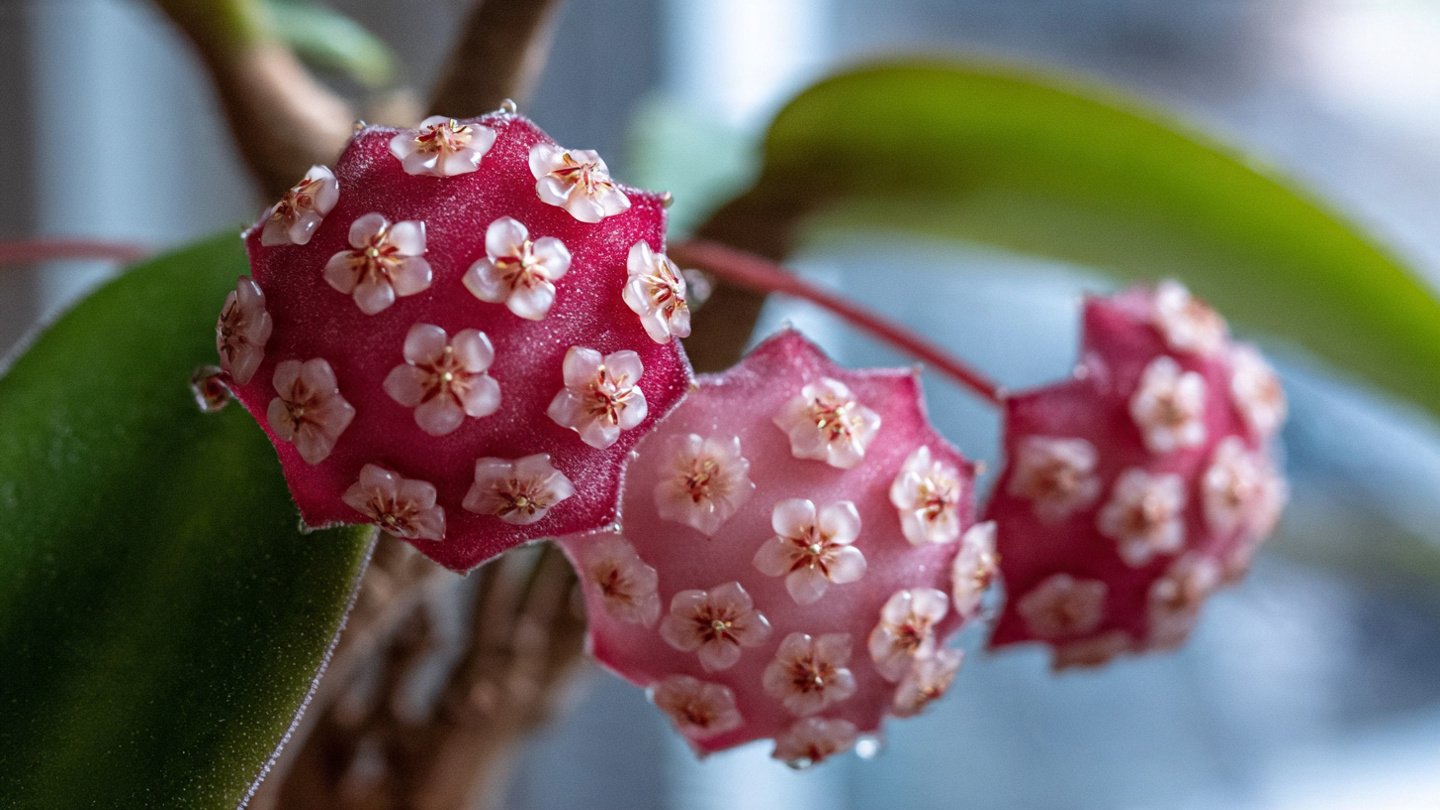
Hoya plants, often called wax plants, are beloved for their thick, glossy leaves and sweetly scented, star-shaped flowers. They can transform a room, balcony, or garden into a lush, vibrant space. But many plant enthusiasts find themselves frustrated when their hoya refuses to bloom. Despite years of careful care, some hoyas remain leafy and green without producing flowers.
Understanding why your hoya isn’t flowering—and how to encourage it—is the key to unlocking its full potential. This guide will explore the reasons behind delayed blooming and offer practical, effective strategies to help your hoya produce its stunning, fragrant blooms.
Understanding Hoya Blooming Patterns
Before addressing the problem, it’s important to understand how hoya plants flower. Hoyas are slow-growing epiphytes, native to tropical and subtropical regions. In the wild, they climb trees and thrive under dappled sunlight, which informs their needs in cultivation.
- Slow to mature: Hoyas often take several years to reach maturity. Some varieties need 3–5 years before flowering.
- Bloom on old growth: Flowers typically appear on older, woody stems rather than new shoots.
- Seasonal triggers: Many hoyas bloom in late spring or summer, responding to longer daylight hours and warmer temperatures.
Recognizing these natural growth patterns will help you set realistic expectations for your plant.
Common Reasons Your Hoya Isn’t Blooming
Several factors can delay flowering, even in healthy, well-cared-for plants. Identifying the root cause is the first step toward encouraging blooms.
1. Age and Maturity
Hoya plants need time to establish themselves. Young plants often focus on growing leaves and stems rather than flowers.
Solution: Patience is essential. Continue providing optimal care, and over time, your hoya will reach the stage where flowering becomes possible.
2. Insufficient Light
Hoyas need bright, indirect light to produce flowers. Without adequate light, the plant prioritizes leaf growth over flowering.
Solution:
- Place your hoya near a south- or east-facing window with filtered light.
- If natural light is limited, supplement with a grow light for 12–14 hours per day.
- Avoid direct midday sun, which can scorch leaves.
3. Over-Fertilization
Excessive nitrogen encourages leafy growth at the expense of flowers. Many gardeners fertilize their hoyas too often, unknowingly delaying blooms.
Solution:
- Use a balanced fertilizer low in nitrogen (e.g., NPK 10-30-10) or a fertilizer formulated for blooming plants.
- Fertilize once a month during the growing season and reduce feeding in winter.
4. Improper Pruning
Pruning too aggressively can remove flower buds before they have a chance to bloom. Hoyas produce flowers on old wood, so removing mature stems can reduce flowering potential.
Solution:
- Prune sparingly, only to shape the plant or remove dead stems.
- Avoid cutting woody stems that show nodes, as these may develop flower clusters.
5. Pot-Bound Condition
Hoyas often bloom when slightly root-bound. A plant in a pot that’s too large may focus on expanding roots rather than flowers.
Solution:
- Check your hoya’s root system. If it’s growing vigorously in a large pot, consider leaving it for another year.
- Repot only when necessary, using a well-draining mix.
6. Temperature and Humidity
Hoyas are tropical plants that prefer warm, humid conditions. Cold drafts or low humidity can stress the plant and inhibit flowering.
Solution:
- Maintain temperatures between 18–29°C (65–85°F).
- Increase humidity with a tray of water, pebble tray, or room humidifier.
- Avoid placing the plant near air conditioners or heaters that dry the air.
7. Lack of a Dry Period
Some hoyas require a slight dry period in winter to stimulate flowering in spring. Constant moisture can trick the plant into thinking it’s not time to bloom.
Solution:
- Reduce watering slightly during the cooler months.
- Allow the top inch of soil to dry between waterings, but don’t let the plant wilt.
- Resume regular watering in spring to signal growth and encourage buds.
How to Encourage Your Hoya to Bloom
Now that you understand the common reasons for delayed flowering, here are actionable steps to stimulate blooms.
1. Optimize Light
- Move the plant to a brighter spot without harsh direct sun.
- Rotate the plant occasionally to expose all sides to light.
- Use artificial lighting during darker months to extend daylight hours.
2. Adjust Fertilization
- Switch to a bloom-encouraging fertilizer during spring and summer.
- Reduce nitrogen content to avoid excessive leaf growth.
- Apply fertilizer every 3–4 weeks during the growing season and stop in fall and winter.
3. Correct Watering Techniques
- Allow slight drying between watering to mimic natural seasonal changes.
- Ensure pots have good drainage to prevent root rot.
- Mist occasionally to increase humidity without overwatering.
4. Provide Adequate Support
- Hoyas are climbers and often bloom when they have a structure to attach to.
- Use a trellis, stake, or hanging basket to allow stems to grow naturally.
- Trained stems tend to bloom more profusely as they mature.
5. Encourage Root-Bound Stress
- Avoid repotting unless necessary.
- Slightly constrained roots can encourage flowering, as the plant focuses energy on reproductive growth rather than root expansion.
6. Minimize Disturbances
- Avoid frequent pruning during flowering season.
- Don’t move the plant repeatedly, as sudden changes in environment can stress it.
- Maintain a consistent watering, light, and temperature schedule.
7. Stimulate Flowering Naturally
- Some gardeners use a “cool and dry” winter period to mimic natural seasonal cues.
- A slight reduction in watering and cooler temperatures can trigger bud formation.
- Combine this with proper light exposure to maximize success.
Patience and Observation
Even with the perfect conditions, hoyas are slow bloomers. Monitoring your plant carefully and making small adjustments often yields better results than drastic changes. Keep a journal of watering, fertilizer application, pruning, and environmental conditions to identify patterns that encourage flowering.
When to Expect Blooms
- Semi-mature hoyas may bloom 3–5 years after planting.
- Some species, like Hoya carnosa, are more reliable bloomers indoors, producing clusters of pink or white star-shaped flowers.
- Flowering typically occurs in late spring or summer, though proper care can extend blooms into early fall.
Additional Tips for a Thriving Hoya
- Support climbing stems: Use wire hoops or trellises for vertical growth.
- Clean leaves: Dust leaves occasionally to improve photosynthesis.
- Pest control: Inspect for mealybugs, spider mites, or scale insects.
- Encourage scent: Warm, bright conditions enhance flower fragrance.
- Propagation: Once flowering is established, consider taking cuttings to multiply your plant.
Conclusion
If your hoya isn’t blooming yet, don’t despair. Many factors—from age and light to watering and pruning—affect flowering. By understanding your plant’s needs and creating optimal growing conditions, you can encourage beautiful blooms and enjoy the distinctive fragrance and elegance that hoyas bring to any space.
Key takeaways include:
- Ensure your hoya is mature enough to bloom.
- Provide bright, indirect light and consistent temperatures.
- Adjust fertilization to promote flowers rather than leaf growth.
- Mimic natural seasonal changes with slight dry periods.
- Support climbing growth and allow stems to mature undisturbed.
With patience, observation, and these strategies, your hoya will reward you with clusters of star-shaped flowers, turning your home, balcony, or garden into a fragrant, vibrant paradise.
The beauty of hoya is in both the lush foliage and the eventual reward of blooms. Understanding your plant, providing ideal care, and using these encouragement techniques ensures that your hoya will thrive and blossom year after year.