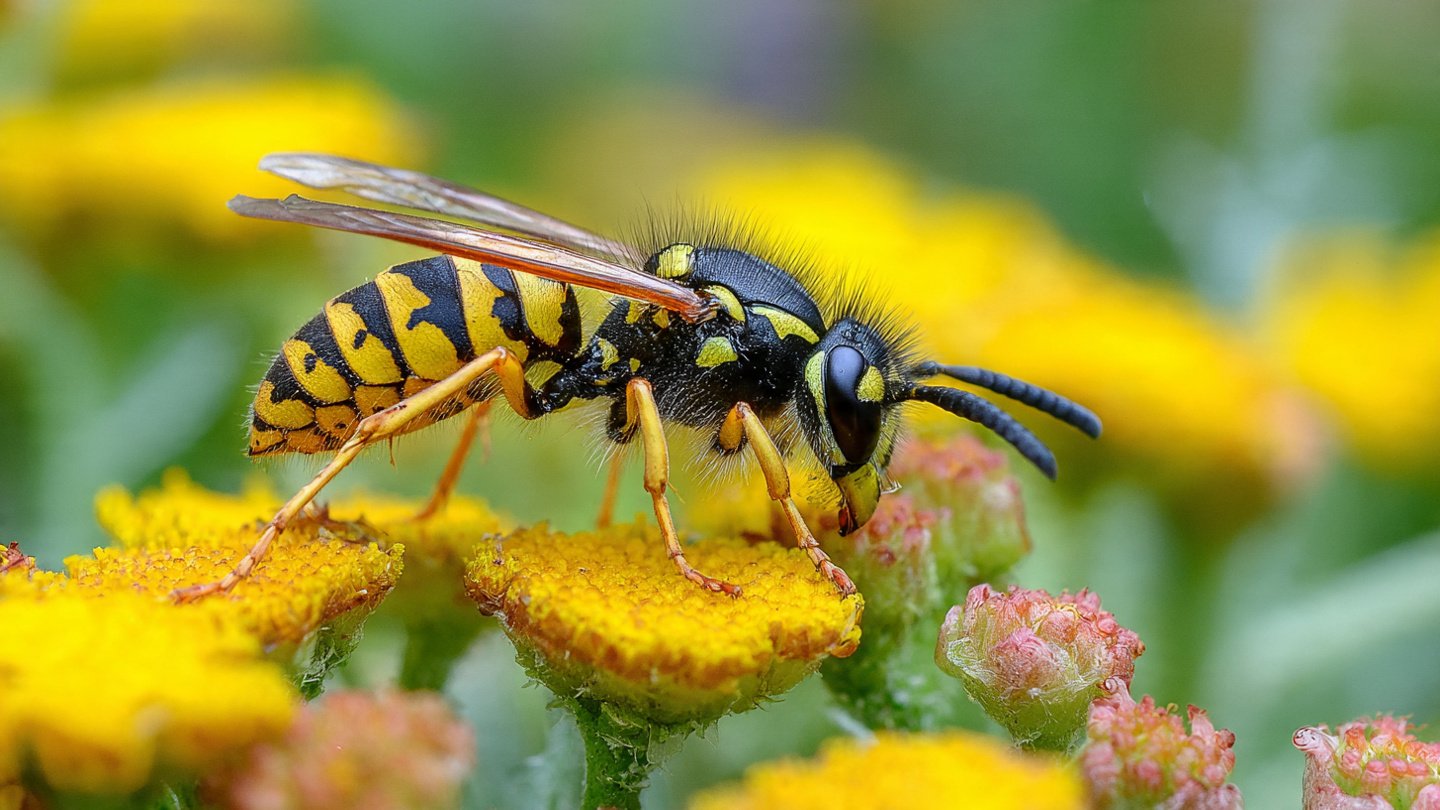
When we think of a thriving garden, bees often come to mind first. They are celebrated for their pollination skills and their role in producing honey. But sometimes, gardeners notice a surprising shift: more wasps than bees buzzing around flowers, fruit trees, or compost piles. While many people immediately view wasps as pests, they play an important role in garden ecosystems. Understanding why your garden attracts wasps and recognizing the benefits they provide can help you appreciate these often-misunderstood insects and maintain a healthy, balanced outdoor space.
Why Your Garden Might Be Attracting More Wasps
Several factors can explain why wasps are more visible in your garden than bees:
1. Seasonal Changes and Weather Patterns
- Wasps tend to be more active later in the summer and early fall, while many bee species, especially honeybees, peak in late spring and early summer.
- Warm weather, combined with declining floral resources, can make wasps more noticeable as they search for alternative food sources, including fruits and sugary liquids.
2. Availability of Protein Sources
- Wasps are omnivorous, feeding not only on nectar but also on insects, caterpillars, and even small larvae.
- Gardens with aphids, caterpillars, or other soft-bodied insects provide an easy protein source, drawing wasps in larger numbers than bees.
3. Presence of Sweet Foods
- Wasps are highly attracted to ripe fruit, tree sap, and sugary spills, whereas bees prefer nectar from flowering plants.
- Overripe fruit on the ground or in compost bins acts as a natural lure, often explaining why wasps appear more numerous than bees in late summer.
4. Fewer Competing Bees
- Declines in local bee populations due to habitat loss, pesticides, or disease may make it seem like wasps dominate the garden.
- Even in healthy gardens, wasps’ bold foraging behavior makes them more noticeable than bees, which may visit flowers more discreetly.
5. Nesting Opportunities
- Wasps are skilled at finding sheltered areas to build nests, such as eaves, sheds, garden structures, or soil cavities.
- Gardens with these nesting sites naturally attract higher wasp populations, as they provide both food and shelter.
Understanding these factors helps gardeners realize that wasps aren’t necessarily invading—they’re responding to the resources your garden provides.
The Benefits of Having Wasps in Your Garden
Although wasps often get a bad reputation for their sting, they bring numerous ecological benefits that enhance garden health and productivity.
1. Natural Pest Control
- Wasps are voracious predators. Many species hunt aphids, caterpillars, beetle larvae, and other pests that can damage crops and ornamental plants.
- Parasitic wasps lay eggs inside host insects, controlling pest populations before they become overwhelming.
- By encouraging a healthy wasp population, gardeners can reduce the need for chemical pesticides and maintain a more balanced ecosystem.
2. Pollination Assistance
- While not as efficient as bees, wasps do visit flowers to feed on nectar.
- Some flowering plants, particularly smaller or less showy species, benefit from wasp pollination.
- Gardens with a mix of wasps and bees may experience diversified pollination, improving seed set and fruit production.
3. Soil Aeration and Decomposition
- Ground-nesting wasps dig tunnels that aerate soil, helping plant roots access oxygen and water.
- Some wasps assist in decomposition by feeding on decaying organic matter or preying on insects in compost piles.
- This indirect contribution improves soil health and nutrient cycling.
4. Supporting Biodiversity
- Wasps play a crucial role in the food chain, serving as prey for birds, amphibians, and larger insects.
- Their presence supports a balanced ecosystem, fostering biodiversity in your garden.
- Gardens with a variety of insects, including wasps, are often more resilient to pests and environmental stress.
How to Encourage Beneficial Wasps Safely
You don’t have to view wasps as enemies. By creating a garden environment that supports them while minimizing risks, you can enjoy the benefits without frequent stings.
1. Provide Water Sources
- Wasps need water for nest building and hydration.
- Shallow dishes with pebbles or water features attract wasps safely while preventing drowning.
2. Offer Shelter and Nesting Areas
- Leave undisturbed areas with soil, logs, or plant debris for ground-nesting wasps.
- Small, shaded structures can serve as nesting sites for paper wasps.
3. Plant Nectar-Rich Flowers
- Plants like queen anne’s lace, fennel, and goldenrod attract both wasps and bees, providing food while reducing the risk they will scavenge overripe fruits.
- A diverse plant selection supports multiple beneficial insects simultaneously.
4. Use Fruit Management Techniques
- Remove overripe fruits promptly and keep compost bins covered.
- This discourages scavenging wasps while still supporting nectar-feeding species with flowers.
5. Practice Gentle Pest Management
- Avoid broad-spectrum insecticides that kill wasps and other beneficial insects.
- Focus on targeted treatments, encouraging natural pest predators like wasps to thrive.
By creating a habitat that supports wasps’ natural behaviors, you can reduce conflicts and increase garden productivity.
Common Misconceptions About Wasps
Many gardeners assume all wasps are aggressive stingers. While caution is necessary, most wasps are non-aggressive unless provoked. Here are some important clarifications:
- Not all wasps sting: Many species, particularly solitary wasps, rarely sting humans.
- Stings are defensive, not predatory: Wasps sting to protect their nests, not to hunt people.
- Beneficial wasps outweigh risks: The ecological advantages—pest control, pollination, and biodiversity—make them valuable allies in the garden.
By understanding wasp behavior, gardeners can coexist with these insects safely.
Balancing Wasps and Bees in Your Garden
While wasps are beneficial, bees remain essential for pollination, especially of fruiting plants. Strive for a balanced garden ecosystem:
- Plant a variety of flowers that bloom at different times to support bees and wasps alike.
- Avoid pesticide overuse, which harms both groups.
- Create separate habitats—nesting boxes for solitary bees and undisturbed areas for wasps.
- Monitor populations to ensure neither dominates excessively.
A diverse insect population enhances garden health, improves yields, and creates a resilient outdoor ecosystem.
Conclusion
Seeing more wasps than bees in your garden can be surprising, but it is not necessarily a problem. Wasps are valuable contributors to pest control, pollination, and soil health. Their presence often indicates a healthy, biodiverse garden ecosystem. By understanding why they are attracted to your garden and taking steps to encourage beneficial behaviors, you can enjoy the advantages of wasps while minimizing human-wasp conflicts.
Instead of fearing these misunderstood insects, gardeners can embrace wasps as allies, complementing the work of bees and other pollinators. Proper garden management—providing food, water, and shelter while controlling overripe fruit and pests—ensures that both wasps and bees contribute to a thriving, productive, and balanced outdoor space.
In the end, a garden buzzing with life—whether from bees or wasps—is a sign of ecological success, bringing beauty, productivity, and resilience to your green space.