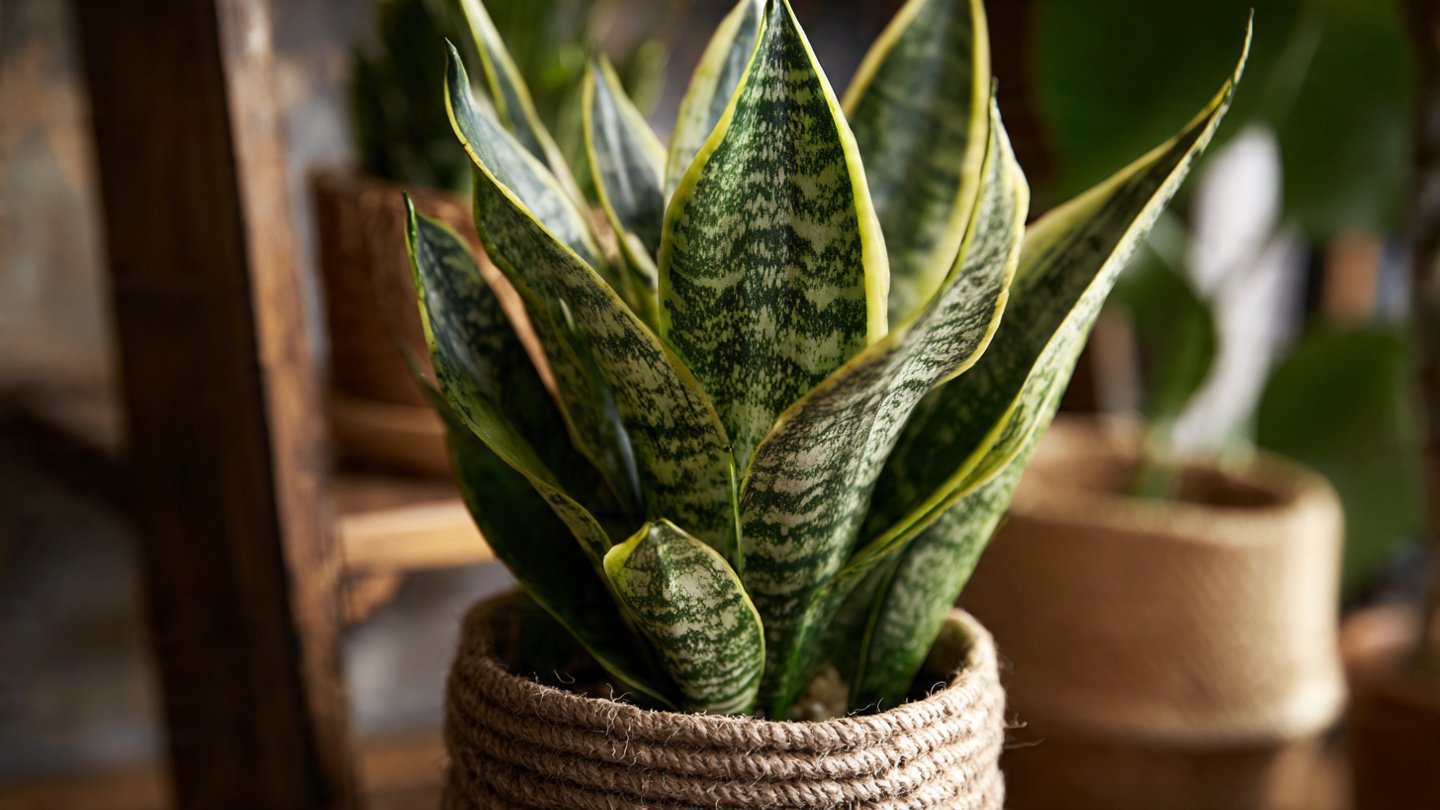
When it comes to indoor plants, few have earned as much admiration—and legendary status—as the snake plant. Also known as Sansevieria or Dracaena trifasciata, this hardy houseplant has become a staple in homes, offices, and commercial spaces worldwide. Yet among its many varieties, one particular snake plant stands out as nearly indestructible, capturing the attention of both beginner plant parents and professional horticulturists alike.
In this article, we explore why this specific snake plant is so resilient, how it thrives in challenging conditions, and why it has become the go-to choice for those who struggle to keep other plants alive.
The Rise of the Snake Plant
The snake plant has long been prized for its striking upright leaves, ease of care, and air-purifying qualities. Native to West Africa, it evolved in harsh, semi-arid conditions, which is partly why it is so tolerant of neglect. Unlike more delicate indoor plants, snake plants are drought-resistant, pest-resistant, and adaptable to low light.
While there are dozens of cultivars, the one most often called “nearly indestructible” is the Sansevieria trifasciata ‘Laurentii’. Recognizable by its long, upright leaves edged in creamy yellow, this variety combines aesthetic appeal with unparalleled resilience.
Key Traits That Make It Nearly Indestructible
Several biological and physiological traits contribute to the near-indestructibility of this snake plant:
1. Exceptional Drought Tolerance
Snake plants store water in their thick, fleshy leaves, enabling them to survive long periods without watering. Unlike tropical plants that wilt quickly under water stress, this plant can go weeks, even months, without attention, making it ideal for busy homeowners or those prone to forgetting plant care.
The plant’s ability to conserve water also protects it from root rot—a common problem with overwatered indoor plants. By relying on leaf-stored moisture, the Laurentii variety is forgiving even if watering routines are inconsistent.
2. Tolerance to Low Light Conditions
Another reason this snake plant is nearly indestructible is its adaptability to a wide range of light conditions. While it thrives in bright, indirect light, it can also survive in low-light environments such as offices, bathrooms, or corners with minimal sunlight.
This trait is relatively rare among indoor plants, many of which require steady, bright light to maintain health. With the Laurentii, you don’t need a south-facing window or supplemental grow lights—making it almost impossible to “kill” due to insufficient light.
3. Minimal Nutrient Requirements
The Laurentii snake plant is undemanding when it comes to soil fertility. It does best in well-draining soil but can grow in various potting mixes without supplemental fertilizers. Even if left unfed for months, it continues to survive, though its growth may slow slightly.
This low nutrient requirement makes it ideal for novice gardeners or those seeking low-maintenance greenery without the worry of over-fertilizing or soil depletion.
4. Strong Structural Integrity
The Laurentii has rigid, upright leaves that are not easily damaged by casual knocks or bumps, unlike more delicate plants. This robust structure allows it to withstand accidental contact, pets, or children without suffering significant harm.
Additionally, its thick leaves are less susceptible to pest damage. While spider mites or mealybugs can infest it occasionally, the plant’s natural toughness prevents minor infestations from becoming catastrophic.
5. Natural Air Purification Abilities
Beyond its resilience, this snake plant is also renowned for filtering indoor air, removing toxins such as formaldehyde, benzene, and trichloroethylene. This feature adds an extra layer of “indestructibility” in terms of usefulness: even if neglected for weeks, it continues to contribute to a healthier indoor environment.
For people who prioritize functional indoor plants, this makes the Laurentii variety uniquely appealing—it’s practically impossible to harm it while still reaping health benefits.
Care Tips That Enhance Its Longevity
While this snake plant is forgiving, certain practices help it thrive for decades:
- Watering Sparingly: Allow the soil to dry completely between waterings. Overwatering is the only consistent way to harm it.
- Provide Well-Draining Soil: Use cactus or succulent potting mix to prevent water retention at the roots.
- Avoid Extreme Temperatures: It tolerates indoor climates well but should be protected from frost or prolonged exposure to heat.
- Rotate Occasionally: Though it can survive in low light, rotating the plant ensures even growth.
- Clean the Leaves: Wiping dust off the leaves improves photosynthesis and keeps the plant looking vibrant.
Following these simple tips ensures that the Laurentii snake plant remains a centerpiece in any indoor space for years.
Propagation: Another Reason It’s Indestructible
One of the most remarkable traits of this snake plant is how easy it is to propagate. Even if part of the plant suffers damage, gardeners can propagate healthy leaves by:
- Leaf Cuttings: Place cut leaf sections in soil or water to grow new plants.
- Division: Separate the root clumps during repotting for multiple new plants.
This means that even if a part of the plant is lost due to overwatering or damage, it’s straightforward to regrow it, reinforcing its reputation as nearly indestructible.
Why Professionals and Beginners Love It
Professional gardeners, interior landscapers, and plant enthusiasts favor the Laurentii variety for several reasons:
- Reliability: In offices, hotels, or high-traffic areas, its resilience ensures minimal replacement costs.
- Aesthetic Appeal: Its upright, variegated leaves suit modern interiors while maintaining a natural look.
- Low Maintenance: Professionals can focus on other tasks without constant care demands.
- Indoor Compatibility: It survives in artificial light, typical of office spaces, making it ideal for professional settings.
Beginners also find it forgiving. Unlike delicate tropical plants that die from minor mistakes, the Laurentii snake plant survives, teaching new plant parents patience and confidence in indoor gardening.
Comparing the Laurentii to Other Snake Plants
While other Sansevieria varieties like ‘Moonshine’ or ‘Hahnii’ are also hardy, Laurentii stands out because:
- Height and Structure: Its long, upright leaves make a bold statement in rooms, unlike shorter varieties.
- Variegation: Yellow-edged leaves add visual interest.
- Growth Rate: Moderate growth allows it to thrive indoors without frequent repotting.
- Survivability: Its ability to endure neglect, drought, and low light surpasses most cultivars.
This combination of traits gives Laurentii its reputation as nearly indestructible.
Environmental and Psychological Benefits
The Laurentii snake plant doesn’t just survive—it enhances its environment:
- Air Quality: Improves indoor air quality, supporting respiratory health.
- Mental Health: Studies show indoor greenery reduces stress and improves mood.
- Decor Flexibility: Fits various design aesthetics—from minimalist modern to rustic interiors.
Its resilience and benefits make it a favorite choice for offices, homes, and public spaces where plant maintenance may be inconsistent.
Conclusion: The Nearly Indestructible Plant
The Laurentii snake plant has earned its legendary status because of biological resilience, low maintenance, and versatility. From its water-storing leaves and low light tolerance to its robust structure and easy propagation, it survives where many other houseplants fail.
Whether you are a first-time plant owner, a busy professional, or a landscape designer, this snake plant provides reliability, beauty, and functional benefits. Its ability to thrive with minimal care while enhancing indoor air quality makes it truly one of the most indestructible plants in the world.
For anyone looking to add greenery to their home or office without the stress of constant maintenance, the Sansevieria trifasciata ‘Laurentii’ is the ultimate choice—proving that sometimes, nature’s hardiest survivors are also the most beautiful. 🌿