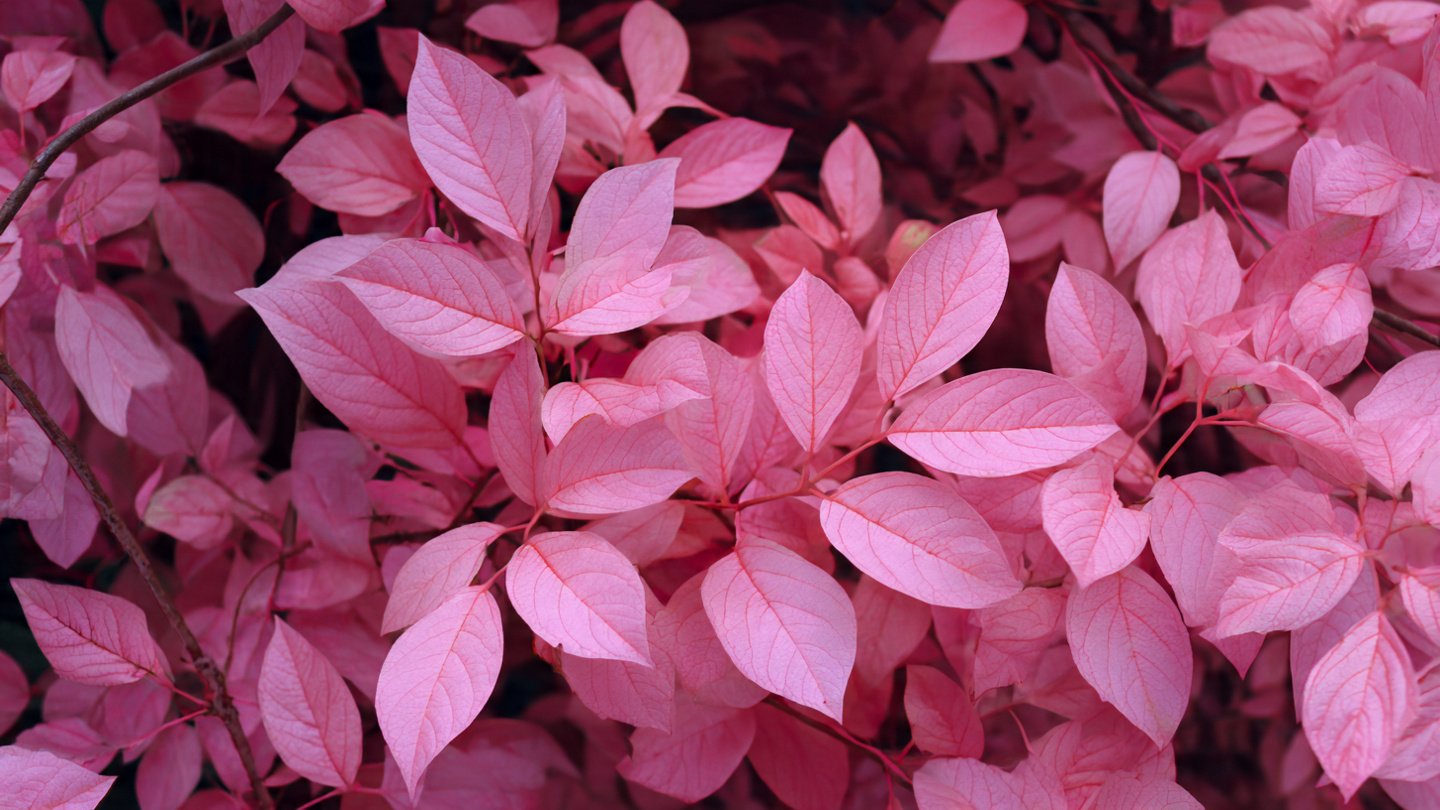
In recent years, social media platforms have become the ultimate stage for plants, and one trend that has taken the online gardening community by storm is pink foliage. From soft blush leaves to vibrant magenta patterns, pink plants are captivating the attention of home gardeners, interior decorators, and plant enthusiasts worldwide. But what makes pink foliage so appealing, and why is it dominating feeds, reels, and TikTok videos? The answer lies at the intersection of aesthetics, psychology, rarity, and social media dynamics.
The Aesthetic Appeal of Pink Foliage
Pink is a color associated with delight, warmth, and playfulness. Unlike green foliage, which is abundant and expected, pink leaves offer a visually striking contrast in gardens and indoor plant collections. The unique hues—from soft pastel pinks to bright fuchsia—create a sense of novelty and freshness that is highly photogenic, making them perfect for social media content.
- Contrast and Highlight: Pink leaves stand out against green, gray, and earthy tones, instantly drawing attention in photos.
- Color Variety: Many pink-leaved plants display variegation, combining pink with cream, white, or green, adding depth and texture.
- Seasonal Interest: Some pink foliage plants, such as Caladiums or Heuchera, change their shades with light and season, providing a dynamic visual experience that keeps followers engaged.
This aesthetic versatility makes pink foliage highly “Instagrammable,” encouraging users to share their gardens, plant shelves, and DIY arrangements online.
Psychological Influence of Color
Color psychology plays a subtle yet powerful role in social media trends. Pink is commonly associated with positivity, calm, and creativity. Viewing pink foliage can evoke feelings of happiness and relaxation, which aligns perfectly with the self-care and wellness themes often shared on social media.
Studies have shown that visually appealing content tends to increase engagement, and plants with unusual colors naturally attract more likes, comments, and shares. Pink plants not only beautify spaces but also stimulate emotional connection, making viewers more likely to interact with posts.
Rarity and Novelty Drive Engagement
One reason pink foliage is dominating social media feeds is rarity. While green leaves are common, pink leaves are less frequently seen in natural environments, making them a novelty. Humans are naturally drawn to rare and unusual items, a phenomenon known as neophilia, which drives attention and shares online.
- Collector Appeal: Many plant enthusiasts actively seek rare pink-leaved species to add uniqueness to their collections.
- Viral Potential: Uncommon varieties such as Philodendron Pink Princess, Syngonium Neon Robusta, and Pink Polka Dot Calathea often go viral because of their striking and unusual appearance.
- Limited Availability: Scarcity in nurseries and plant stores adds a sense of exclusivity, encouraging posts and discussions on where to find them.
The combination of rarity, aesthetic appeal, and shareability makes pink foliage perfect for social media virality.
Social Media Trends and Influencers
Social media platforms themselves amplify trends. Influencers and plant content creators have recognized pink foliage as a high-engagement niche, and they often feature these plants in creative ways. The trend has spread through:
- Plant Unboxing Videos: Showcasing rare pink foliage creates excitement and curiosity.
- Plant Shelving and Room Tours: Pink plants are frequently used to create visually cohesive and “Pinterest-worthy” setups.
- DIY and Propagation Content: Tutorials on propagating pink foliage species increase interest and engagement, especially when results are visually striking.
Hashtags like #PinkPlants, #PinkFoliage, and #PlantAesthetic have thousands of posts, indicating a widespread community fascination with pink-leaved plants. Social media algorithms, which favor engagement, then further boost the visibility of pink foliage content, creating a feedback loop where the trend grows faster and reaches broader audiences.
Popular Pink Foliage Plants
Several species have become stars on social media due to their vibrant pink leaves:
- Philodendron Pink Princess – Known for its dark green leaves splashed with hot pink variegation, this plant is both rare and photogenic.
- Syngonium Neon Robusta – Bright neon pink leaves create a modern, energetic vibe for indoor spaces.
- Caladiums – With heart-shaped, blush-toned leaves, Caladiums bring soft elegance to any garden or indoor display.
- Heuchera ‘Palace Purple’ & ‘Georgia Peach’ – Some cultivars show pinkish hues mixed with green or red, adding texture and dimension to gardens.
- Fittonia (Nerve Plant) – Often variegated with pink or magenta veins, Fittonia is compact, colorful, and ideal for terrariums.
These plants not only serve as conversation starters but also encourage content creators to experiment with plant styling, background setups, and photography techniques, further fueling the trend.
DIY Propagation and Accessibility
Another reason pink foliage is gaining traction is ease of propagation. Many pink-leaved species can be propagated from stem cuttings, which allows enthusiasts to grow and share them. Social media users love documenting propagation successes, particularly when pink variegation appears in new leaves, as it demonstrates both skill and creativity.
- Sharing Tips: Tutorials on rooting pink-leaved plants often go viral, encouraging engagement and comment threads.
- Community Growth: Plant propagation challenges, swaps, and giveaways create an active online community, boosting the visibility of pink foliage further.
By sharing propagation journeys, social media users turn pink foliage into a shared experience, increasing the sense of community and engagement.
Interior Design and Lifestyle Influence
Pink foliage also resonates with lifestyle and interior design trends. Home décor enthusiasts use pink-leaved plants to:
- Complement pastel color schemes
- Add contrast to neutral-toned rooms
- Create eye-catching “plant corners” in living spaces
The visual harmony created by pink foliage makes it highly shareable and relatable, especially for platforms like Instagram and Pinterest, where interior aesthetics are key to engagement.
The Role of Photography and Presentation
The popularity of pink foliage is also tied to photography techniques. Plants with vibrant or unusual colors are easier to photograph and edit, and they stand out in feeds cluttered with green plants. Users often enhance the colors slightly in apps, making the pink tones more vivid and appealing, which encourages even more shares.
Tips for showcasing pink foliage online:
- Use contrasting backgrounds to highlight the pink leaves
- Capture morning or evening natural light to enhance colors
- Include close-ups to show variegation patterns and textures
- Pair with neutral décor for modern, minimalist aesthetics
Presentation matters nearly as much as the plant itself in the social media ecosystem.
The Future of Pink Foliage Trends
Pink foliage is likely to continue capturing attention for several reasons:
- Plant breeding innovations are creating more varieties with stable pink coloration.
- Social media platforms are promoting visually striking content that keeps users scrolling.
- Home gardening continues to surge in popularity, particularly among younger audiences seeking unique and “shareable” plants.
The trend may evolve beyond pink to include other unusual foliage colors, but for now, pink leaves are the standout stars.
Conclusion
Pink foliage is more than a fleeting trend—it is a combination of visual appeal, rarity, psychological impact, and social media dynamics. From the soft blush of Caladiums to the striking variegation of Philodendron Pink Princess, pink-leaved plants captivate audiences because they are photogenic, rare, and emotionally engaging. Social media amplifies this fascination by encouraging unboxing, propagation, and styling content, creating a cycle of virality that continues to draw attention.
For plant enthusiasts, this trend offers an opportunity to experiment with color, design, and cultivation while building communities online. Whether you are a gardener, interior decorator, or social media content creator, pink foliage provides a unique and vibrant way to engage audiences and elevate your plant game.
In the ever-expanding world of plant content online, pink leaves are the perfect blend of nature’s beauty and social media’s visual storytelling—a trend that shows no sign of fading.