Gardening is a blend of science, skill, and patience, and professional gardeners are always on the lookout for techniques that are both efficient and sustainable. One such method gaining traction in modern horticulture is the “chop and drop” technique. While it may sound like a simple or even rustic approach, this method offers profound benefits for soil health, plant growth, and overall garden management. Let’s explore why professional gardeners increasingly rely on chop and drop and how it can transform your garden.
What is the Chop and Drop Method?
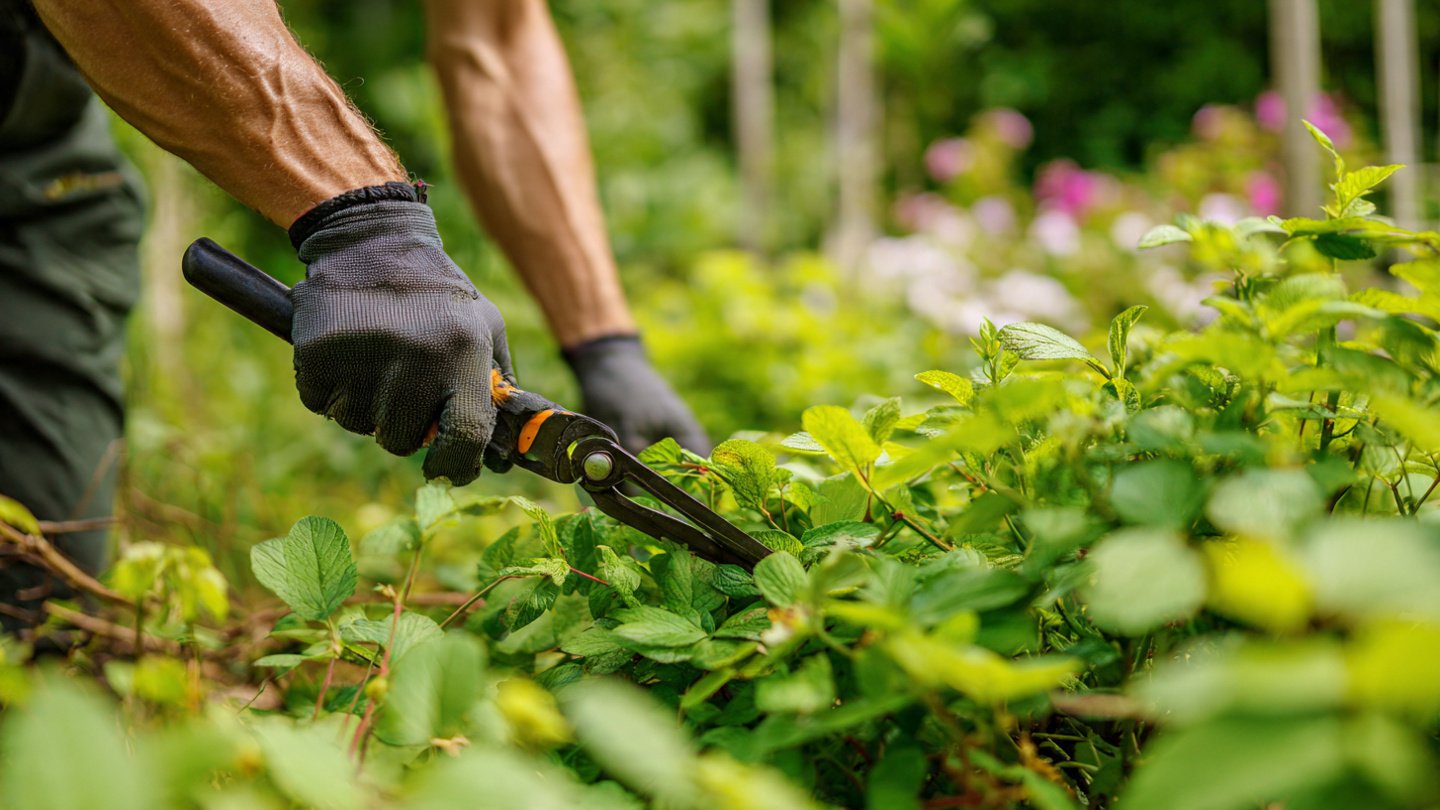
The chop and drop method involves cutting plant material, such as pruned branches, leaves, or spent flowers, and leaving it on the soil surface rather than removing it from the garden. Unlike traditional disposal methods, where plant waste is collected and composted separately, chop and drop allows the plant matter to naturally decompose in place, acting as a mulch and enriching the soil simultaneously.
This approach is commonly used in permaculture and organic gardening because it mimics natural forest ecosystems, where fallen leaves and plant debris recycle nutrients back into the ground. Essentially, it is a gardener’s way of letting the garden feed itself.
The Main Benefits of Chop and Drop
Professional gardeners value chop and drop for multiple reasons, from improving soil health to reducing maintenance. Here are the key benefits:
1. Enhances Soil Fertility
When plant matter is left to decompose on the soil surface, it gradually releases nutrients such as nitrogen, phosphorus, and potassium. These nutrients are vital for healthy plant growth. Unlike chemical fertilizers, which can cause nutrient spikes and imbalances, chop and drop provides a slow, steady release of organic matter.
Over time, this process enriches the soil, improving its structure, water retention, and aeration, which in turn supports healthier roots and more robust plant growth. Professional gardeners appreciate that this method essentially feeds the soil first, then the plants, which aligns with sustainable gardening principles.
2. Reduces Garden Waste
In most gardens, pruning, mowing, or removing spent plants creates large amounts of green waste. Chop and drop eliminates the need for bagging, transporting, or composting excess plant material.
Instead of viewing pruned branches or leaves as waste, professional gardeners see them as valuable resources. By leaving plant matter on the garden beds, they effectively recycle nutrients in situ, reducing the gardener’s environmental footprint and the time spent handling green waste.
3. Suppresses Weeds
A layer of chopped plant material on the soil surface acts as a natural mulch, which helps block sunlight from reaching weed seeds. This suppresses their growth and reduces the need for chemical herbicides or extensive manual weeding.
Unlike synthetic mulches, which need to be purchased, chop and drop provides a zero-cost solution using materials already present in the garden. Professional gardeners appreciate this because it allows them to maintain neat, productive beds with minimal labor.
4. Retains Soil Moisture
Soil moisture management is a constant challenge in gardening, especially in hot climates or during dry seasons. Chop and drop helps reduce evaporation from the soil surface by creating a protective layer of plant material.
This moisture-retaining mulch keeps roots cooler, reduces water stress on plants, and lowers the frequency of irrigation. For professional gardeners managing large beds, this translates to significant time and water savings, which is both economically and environmentally beneficial.
5. Encourages Beneficial Microorganisms
Healthy soil is alive with microorganisms like fungi, bacteria, and earthworms. Chop and drop feeds these microorganisms, providing them with carbon and nutrients from decomposing plant matter.
As these organisms break down the organic matter, they enhance nutrient cycling and soil structure, creating a self-sustaining ecosystem. Gardeners who understand the importance of soil biology know that a thriving microbial community leads to stronger plants and fewer disease problems.
6. Minimizes Labor and Effort
Professional gardeners often work on multiple projects simultaneously, so labor efficiency is crucial. Traditional pruning methods require collecting, bagging, and transporting plant waste, which can be time-consuming.
With chop and drop, plant debris is left where it falls or is lightly spread across beds, saving hours of labor each week. This approach allows gardeners to focus on other critical tasks like planting, pest management, and garden design.
Best Practices for Chop and Drop
While the method is simple, certain best practices help maximize its benefits:
- Chop Plant Material into Small Pieces:
Smaller pieces decompose faster and cover the soil evenly. - Avoid Diseased Plant Material:
Leaves or stems with fungal infections or pests should not be left on the soil, as they may spread disease. - Layer Strategically:
Chop and drop works best when a thin layer (2–3 inches) is spread evenly over the soil. Thick layers can smother young seedlings. - Combine with Companion Plants:
Some gardeners interplant nitrogen-fixing species, then chop and drop their leaves to further enrich the soil. - Timing Matters:
Chop and drop during the growing season can help boost nutrient availability, while in autumn it can prepare the soil for winter by adding organic matter.
Plants Suitable for Chop and Drop
Not all plants are ideal for chop and drop. Professional gardeners choose plants that decompose quickly and add value to the soil. Common examples include:
- Comfrey: Highly nutrient-rich leaves
- Legumes (like beans or clover): Nitrogen-fixing properties
- Perennial herbs like mint or oregano
- Vegetable trimmings from leafy greens
Woody or tough materials may take longer to break down but can still be used if chopped finely or combined with faster-decomposing leaves.
Chop and Drop in Permaculture
Permaculture emphasizes closed-loop systems where waste becomes a resource. In permaculture gardens, chop and drop is a cornerstone technique:
- Mimics forest ecosystems: Fallen leaves and branches decompose naturally, feeding the soil.
- Reduces external inputs: Less fertilizer, mulch, or compost is needed.
- Supports biodiversity: Provides habitat and food for insects and soil organisms.
Professional gardeners integrating permaculture principles often use chop and drop to create resilient, low-maintenance gardens.
Environmental Benefits
In addition to enhancing soil fertility and reducing labor, chop and drop reduces the garden’s carbon footprint:
- Fewer trips to transport green waste
- Reduced need for chemical fertilizers
- Encouragement of natural nutrient cycles
By leaving organic matter on-site, gardeners reduce energy consumption, pollution, and greenhouse gas emissions. This aligns with modern sustainable gardening practices that prioritize eco-friendly methods.
Why Professionals Trust It
Professional gardeners prefer chop and drop because it is practical, efficient, and effective. Unlike traditional mulching or composting methods, it requires less preparation, fits seamlessly into routine garden maintenance, and provides multiple benefits simultaneously.
Whether managing large ornamental gardens, vegetable beds, or permaculture plots, gardeners can:
- Reduce waste handling
- Improve soil health
- Maintain moisture levels
- Suppress weeds naturally
- Support soil biodiversity
The simplicity of chop and drop combined with tangible long-term results makes it a go-to method for experts who value both efficiency and sustainability.
Conclusion
The chop and drop method may seem like a humble, old-fashioned gardening practice, but its benefits are profound. By returning organic matter directly to the soil, it improves fertility, retains moisture, suppresses weeds, and supports beneficial organisms—all while reducing labor and waste.
Professional gardeners rely on this method because it aligns perfectly with modern gardening priorities: efficiency, sustainability, and healthy plant growth. Whether in a home garden, community garden, or large-scale landscaping project, chop and drop is an approach that combines simplicity with science.
In essence, it’s gardening the way nature intended: letting plants feed the soil, soil feed the plants, and the cycle continue effortlessly. For gardeners looking to enhance productivity, reduce waste, and nurture a thriving ecosystem, chop and drop isn’t just an option — it’s a preferred strategy. 🌱