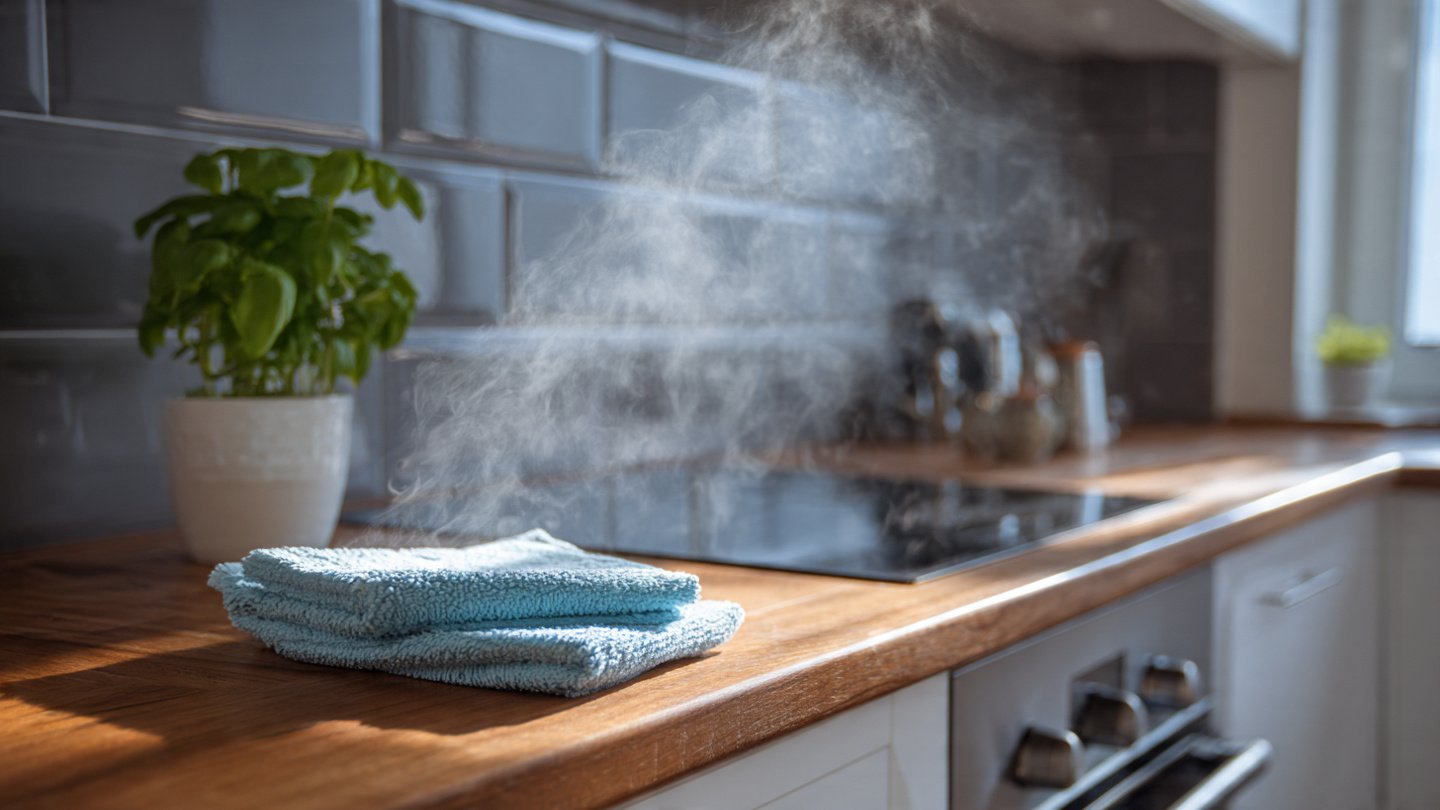
A sparkling kitchen and a fresh lemony scent often give the impression of cleanliness, yet appearances can be deceiving. Even the most immaculate, well-organized kitchens can conceal hidden germs and bacteria that pose health risks. Understanding where these microbes lurk, why they thrive despite surface cleaning, and how to address them is key to maintaining a truly safe and hygienic cooking environment.
The Illusion of Clean
Many people equate cleanliness with visible tidiness or pleasant smells. Wiping down counters, washing dishes, and taking out the trash can create an environment that looks and smells pristine. However, the sense of “clean” is often superficial. Microorganisms, including bacteria, viruses, and fungi, are microscopic and cannot be seen or smelled.
For instance, a countertop wiped with a fragrant cleaning spray might smell fresh, yet pathogenic bacteria such as Salmonella or E. coli may still survive, particularly in cracks, seams, or areas missed during cleaning. This disparity between perception and reality underscores the importance of understanding where germs hide and how to eliminate them effectively.
Common Germ Hotspots in Kitchens
Even in a clean-smelling kitchen, certain areas are notorious for harboring germs:
1. Sponges and Dishcloths
Kitchen sponges and dishcloths are among the dirtiest items in the home. They remain damp for long periods, creating an ideal breeding ground for bacteria like E. coli and Salmonella. Simply rinsing them under water or using them to wipe surfaces can spread germs rather than remove them.
Tip: Replace sponges and dishcloths frequently, ideally every 1–2 weeks, and sanitize them by microwaving damp sponges for one minute or running them through a dishwasher cycle.
2. Cutting Boards
Cutting boards, especially those used for raw meat, poultry, or seafood, can harbor bacteria in grooves and knife marks. Even if cleaned with soap and water, pathogens may persist, especially if the board is plastic, where bacteria can penetrate microscopic scratches.
Tip: Use separate cutting boards for raw proteins and vegetables. Clean them with hot, soapy water and disinfect periodically with a solution of one tablespoon of bleach per gallon of water. Wooden cutting boards should be thoroughly dried and occasionally treated with mineral oil to prevent cracking and microbial growth.
3. Sink and Faucet Areas
Kitchen sinks are constantly exposed to raw food, water, and soap residue, making them breeding grounds for bacteria. The drain, faucet handles, and edges of the sink can accumulate harmful microbes. Even a quick rinse with water may not remove them entirely.
Tip: Clean sinks with disinfectant regularly, paying attention to faucet handles and drain edges. Use a small brush to scrub around the drain and prevent buildup of grime and bacteria.
4. Refrigerators and Food Storage
Refrigerators may seem sterile due to low temperatures and orderly storage, but food spills, condensation, and cross-contamination can introduce bacteria. Listeria and Salmonella are among the pathogens that can survive in cold environments, slowly multiplying over time.
Tip: Clean your refrigerator monthly with mild soap or a vinegar solution. Store raw meats on lower shelves in sealed containers to prevent drips and contamination of other foods.
5. Handles, Knobs, and Switches
High-touch surfaces like cabinet handles, appliance buttons, and light switches are often overlooked during cleaning. These areas can accumulate germs transferred from hands or food, acting as reservoirs for bacteria and viruses.
Tip: Wipe high-touch surfaces with disinfecting wipes or sprays regularly, especially after handling raw foods.
Why Germs Persist Despite Cleaning
Several factors contribute to bacteria surviving even in a seemingly clean kitchen:
1. Inadequate Cleaning Practices
Simply wiping a surface with a damp cloth or scented spray does not necessarily remove germs. Effective cleaning requires both mechanical action (scrubbing) and the use of proper detergents or disinfectants to break down biofilms and kill microbes.
2. Moisture and Warmth
Bacteria thrive in warm, damp environments. Sinks, sponges, dish racks, and even cutting boards provide the perfect conditions for microbial growth. A kitchen may smell clean while these hidden damp areas nurture bacteria.
3. Biofilm Formation
Some bacteria form biofilms, which are protective layers that adhere to surfaces. These biofilms can resist cleaning and disinfectants, allowing bacteria to persist on sinks, cutting boards, and even refrigerator shelves.
4. Cross-Contamination
Even after cleaning, bacteria can spread through contact with contaminated surfaces, utensils, or hands. For example, wiping a counter with a cloth used for raw chicken can transfer pathogens to vegetables or ready-to-eat foods.
Health Risks of Hidden Kitchen Germs
The bacteria lurking in your kitchen can cause a range of health issues:
- Foodborne Illness: Pathogens like Salmonella, E. coli, and Listeria can contaminate food and lead to gastrointestinal illness, with symptoms such as nausea, diarrhea, vomiting, and fever.
- Cross-Contamination Infections: Bacteria from raw meat or poultry can spread to other foods, utensils, and surfaces, increasing the risk of illness.
- Respiratory or Skin Infections: Mold and fungi growing in damp areas of the kitchen can trigger allergic reactions or respiratory issues, particularly in sensitive individuals.
Even healthy adults can experience discomfort or illness from hidden bacteria, while children, the elderly, and immunocompromised individuals are particularly vulnerable.
Practical Steps to Maintain a Truly Hygienic Kitchen
While a fresh-smelling kitchen is pleasant, combining it with effective hygiene practices ensures safety:
1. Sanitize Frequently
Use disinfectants on countertops, sinks, faucet handles, and cutting boards regularly. Pay attention to areas often missed, like the edges of the sink, cabinet handles, and small crevices.
2. Proper Food Handling
Separate raw and cooked foods, wash produce thoroughly, and cook foods to safe internal temperatures. Avoid leaving perishable foods out for extended periods.
3. Hand Hygiene
Wash hands thoroughly with soap and water before and after handling raw foods, touching high-contact surfaces, or cleaning the kitchen. Hand hygiene is one of the most effective ways to prevent the spread of bacteria.
4. Regular Cleaning of Tools
Sponges, dishcloths, knives, and cutting boards should be cleaned and sanitized frequently. Consider replacing sponges often and rotating cutting boards to minimize bacterial buildup.
5. Ventilation and Moisture Control
Ensure good ventilation to reduce moisture buildup that encourages microbial growth. Wipe down wet surfaces after cooking or cleaning and keep dish racks dry.
Beyond Surface Cleaning: Mindful Kitchen Practices
To maintain a kitchen that is genuinely safe, think beyond just visible cleanliness:
- Routine Deep Cleaning: Monthly deep cleaning of sinks, refrigerators, and cabinets removes accumulated grime and reduces hidden bacteria.
- Use of Natural Antimicrobials: Vinegar, lemon juice, and baking soda can be effective for cleaning surfaces and removing odors while also reducing bacterial presence.
- Mindful Food Prep: Avoid using the same cutting board or knife for raw meat and vegetables without thorough cleaning in between.
These practices complement the usual wipe-downs and ensure that your kitchen is not only clean in appearance but also hygienically safe.
Conclusion
A clean-smelling kitchen is comforting, but it is not a reliable indicator of safety. Hidden bacteria and germs can thrive in sponges, sinks, cutting boards, refrigerators, and high-touch surfaces, posing health risks that a pleasant aroma alone cannot prevent. By understanding these microbial hotspots and implementing proper hygiene practices, you can transform your kitchen from merely “appearing clean” to being genuinely safe.
True kitchen cleanliness involves regular sanitization, thoughtful food handling, moisture management, and mindful attention to hidden surfaces. Combining these practices ensures not only a fresh-smelling kitchen but also a hygienic environment that protects your health and the well-being of everyone in your home.
After all, in the fight against hidden germs, it’s not just what your kitchen smells like—it’s what you can’t see that matters most.