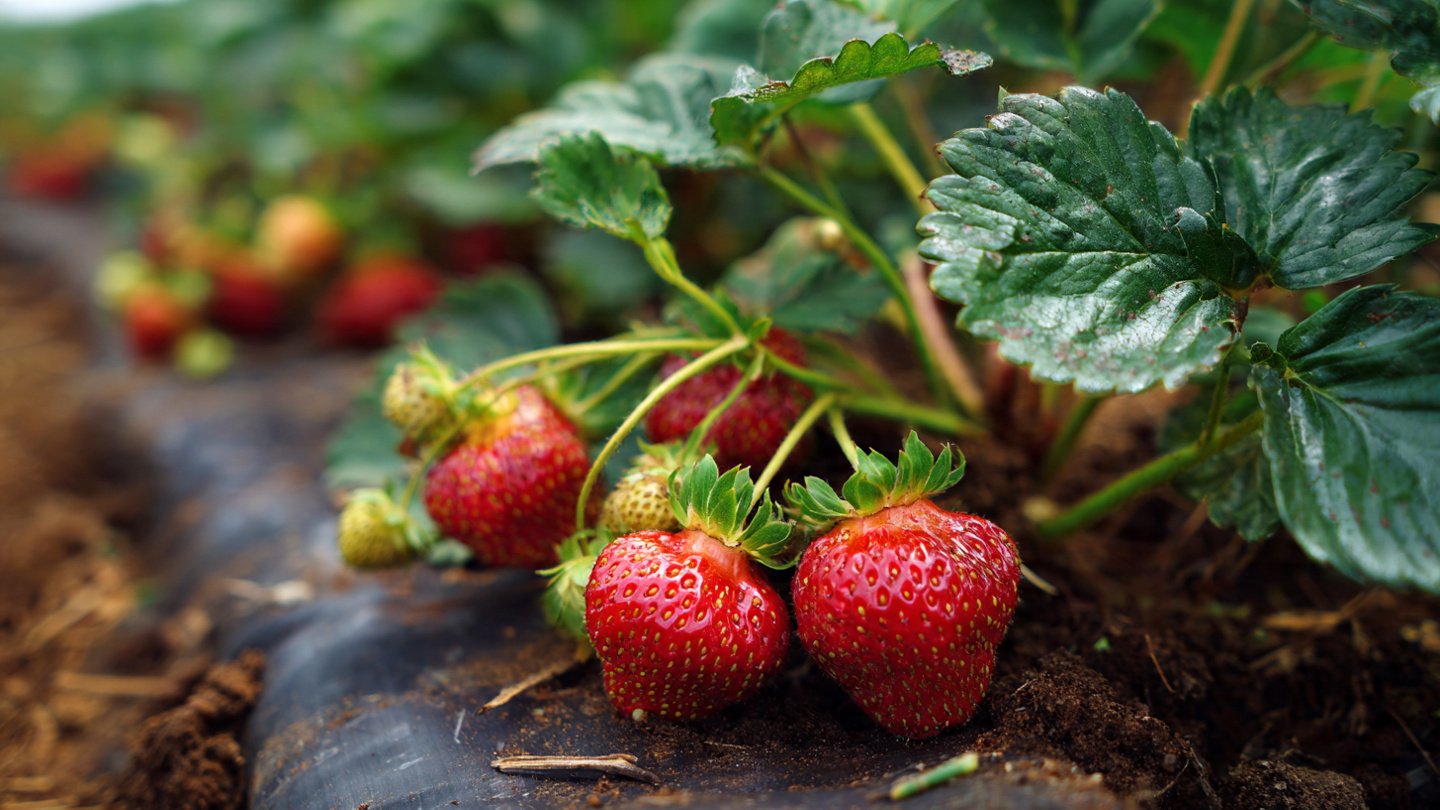
Strawberries are one of the most rewarding fruits to grow at home, offering juicy, sweet berries and a visually appealing garden bed. However, for many gardeners, there’s a common challenge: strawberry runners taking over the main harvest. These long, horizontal shoots, designed by nature to propagate new plants, can compete with your main fruiting plants for nutrients, sunlight, and space. Left unchecked, runners can reduce berry production, crowd your beds, and make harvesting more difficult.
Understanding why strawberry runners grow and how to manage them is essential for maintaining a healthy, productive strawberry patch. This guide will explore the biology of runners, the reasons they dominate, and practical steps to balance propagation and harvest for optimal results.
What Are Strawberry Runners?
Strawberry plants produce runners, also called stolons, as part of their natural propagation strategy.
- Runners are long, thin stems that grow horizontally from the main plant
- At each node, small plantlets form, ready to root into the soil
- This allows strawberries to spread and form new colonies without seeds
- A single strawberry plant can produce multiple runners in a growing season
While runners are excellent for expanding your garden, they can detract energy from fruit production if not managed properly.
Why Strawberry Runners Take Over Your Garden
Several factors can cause strawberry runners to dominate over berry production:
1. Natural Reproductive Priority
Strawberries are perennials, and their first goal is survival and spreading. Runners are the plant’s way of ensuring the next generation, so during active growth periods, they may take precedence over flower and fruit production.
2. Excess Nutrients
Ironically, giving your strawberries too much fertilizer—especially nitrogen—can encourage lush vegetative growth, which includes excessive runner production. While the plant grows rapidly, energy is diverted from forming flowers and fruit.
3. Lack of Runner Management
If runners are left unchecked, they naturally root and form new plantlets. Over time, these plantlets compete with the main plants for sunlight, water, and nutrients, further reducing berry size and quantity.
4. Overcrowding
In crowded beds, strawberries produce more runners as a survival strategy. Each runner seeks space to establish a new plant, which can create a dense, tangled patch that reduces airflow and increases disease risk.
5. Environmental Triggers
Certain conditions, like long daylight hours and optimal temperatures, signal the plant to reproduce, prompting more runners during peak growing seasons.
How Runners Affect Your Main Harvest
Unchecked runners can have several impacts on strawberry fruit production:
- Reduced Flowering – Plants devote energy to runner production rather than forming flowers.
- Smaller Berries – Competition from plantlets draws nutrients away from developing fruit.
- Crowded Beds – Dense foliage makes it difficult for sunlight to reach the main plants.
- Disease and Pest Pressure – Overcrowded plants have poor airflow, leading to fungal diseases like powdery mildew.
- Difficult Harvesting – Runners can tangle your bed, making it hard to pick ripe berries without damaging the plants.
Step-by-Step Guide to Managing Strawberry Runners
Proper runner management balances propagation with fruit production, ensuring you get both healthy new plants and a bountiful harvest.
Step 1: Identify the Runners
- Look for long, thin stems extending from the crown of the main plant
- Notice plantlets forming at nodes along the runners
- Distinguish between healthy new growth and old, woody stems
Step 2: Decide Which Runners to Keep
Not all runners need to be removed. Prioritize:
- Strong plantlets with a healthy appearance
- Plantlets spaced far enough apart to grow without crowding
- Avoid keeping multiple runners from a single parent plant if space is limited
Step 3: Pin or Root Selected Runners
- Use soil or small pots to pin the plantlets down at each node where you want a new plant to grow
- Secure with a small U-shaped pin, toothpick, or twist-tie
- Cover the base lightly with soil and water gently
This encourages the runner to root without spreading uncontrollably.
Step 4: Remove Unwanted Runners
- Trim excess runners back to the crown with clean scissors or pruners
- Removing runners early prevents them from rooting and diverting energy from fruiting
- Dispose of cut runners or transplant them elsewhere if desired
Step 5: Maintain Proper Spacing
- Space main plants about 12–18 inches apart to allow air circulation and light penetration
- Rooted runners should be spaced similarly to avoid overcrowding
- Adjust bed layout each season to accommodate plant growth and propagation
Step 6: Fertilize Carefully
- Use a balanced fertilizer to support both fruiting and vegetative growth
- Avoid excessive nitrogen, which encourages runners over berries
- Consider using high-phosphorus fertilizer during flowering to boost fruit production
Step 7: Mulch and Water Strategically
- Apply mulch to reduce water evaporation and control weeds
- Water deeply at the base of the plants rather than overhead
- Avoid waterlogging, as excessive moisture encourages disease and weakens main plants
Best Practices for Seasonal Runner Management
- Early Season: Pin a few healthy runners if you want new plants next year
- Mid-Season: Focus on harvesting fruit; remove unnecessary runners
- Late Season: Decide which runners to overwinter and remove the rest
- Off-Season: Reorganize your beds and plan for next year’s propagation
By timing runner management with the growth cycle, you can maximize both fruit production and plant expansion.
Using Runners to Expand Your Garden
Instead of seeing runners as a problem, they can be a tool for expanding your strawberry patch:
- Transplant rooted runners to new beds
- Share extra runners with friends or community gardens
- Grow new container plants for balconies or patios
This approach turns runner management into a sustainable gardening practice while keeping your main harvest productive.
Signs Your Strawberry Patch Is Out of Balance
- Few flowers despite healthy leaves
- Small, undersized berries
- Dense, tangled beds with multiple plantlets crowding main plants
- Brown leaf edges or yellowing due to nutrient competition
If you notice these signs, adjust runner management, fertilization, and spacing to restore balance.
Common Mistakes to Avoid
- Ignoring Runners – Leads to overcrowding and poor fruit production
- Removing All Runners – Prevents natural propagation and limits future harvest
- Excessive Fertilization – Too much nitrogen encourages leafy growth over berries
- Crowding Plants – Blocks sunlight and airflow, increasing disease risk
- Pinning Runners Improperly – Plantlets may fail to root if not secured correctly
Benefits of Proper Runner Management
- Larger, healthier berries
- Reduced disease risk due to better airflow
- Controlled garden expansion
- Easy harvesting with uncluttered beds
- Efficient use of space by directing runners where needed
Effective management ensures your strawberry patch remains productive and aesthetically pleasing season after season.
Final Thoughts
Strawberry runners are a natural and beneficial feature of your plants, designed to propagate and expand your garden. However, if left unchecked, they can dominate your main harvest, reducing berry size, quantity, and overall plant health.
By understanding why runners form, how they compete with main plants, and how to manage them effectively, you can enjoy a lush, productive strawberry patch with both healthy fruit and new plants for future seasons. With careful monitoring, strategic pruning, and thoughtful propagation, strawberry runners become an asset rather than a nuisance, helping you create a thriving garden that delivers sweet, abundant berries year after year. 🍓