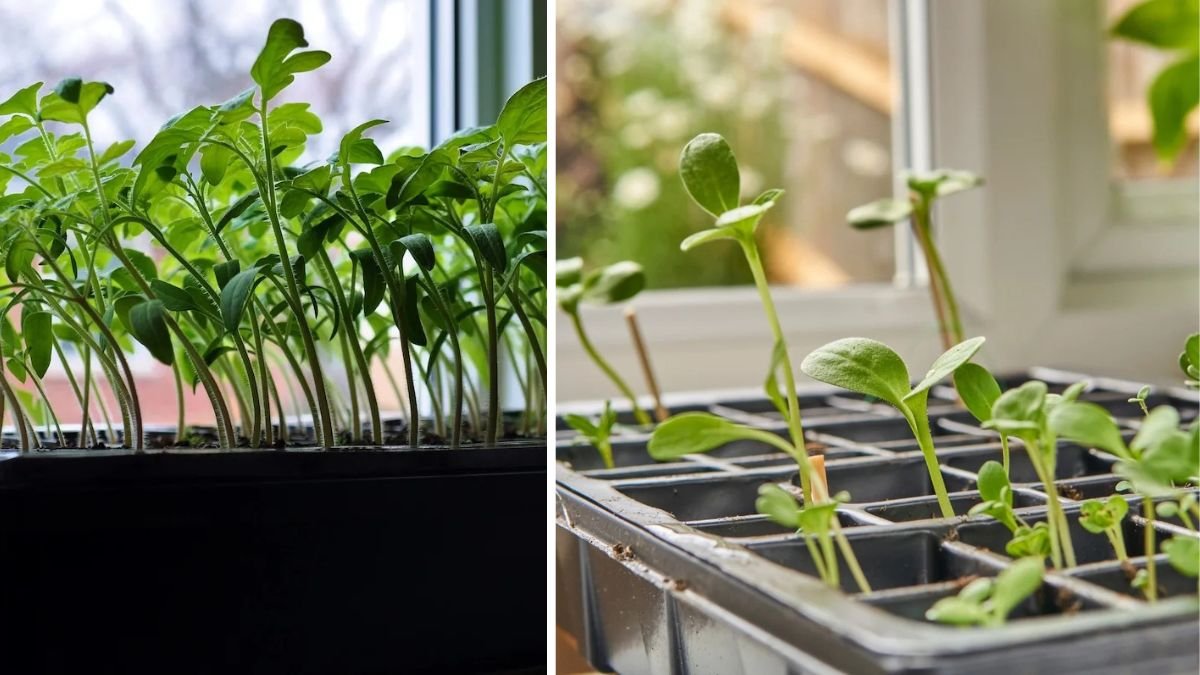
Watching your seedlings sprout for the first time is an exciting part of gardening, but it can also bring unexpected surprises. One common issue that many gardeners encounter is seedlings leaning—or even stretching—toward a nearby window. While it might seem harmless, this behavior can signal underlying problems in your growing environment. Understanding why seedlings lean and how to correct it is crucial for growing strong, healthy plants.
What Is Phototropism?
The primary reason seedlings lean toward a window is a natural phenomenon called phototropism. Phototropism is the growth of plants in response to light. Seedlings “sense” where light is strongest and grow toward it to maximize photosynthesis, the process by which plants convert sunlight into energy.
Key points about phototropism:
- It’s an automatic survival response, not a sign of poor health.
- Seedlings bend toward light sources, often resulting in thin, elongated stems.
- While phototropism helps seedlings access more light, excessive leaning can make them weak and prone to snapping.
Essentially, your seedlings are reaching for life-giving sunlight—but in doing so, they may be signaling that their environment needs adjustment.
1. Insufficient Light
The most common cause of leaning seedlings is insufficient light. When seedlings don’t receive enough direct sunlight, they stretch and lean toward the nearest light source.
Signs of insufficient light:
- Tall, spindly stems (also called “leggy” seedlings).
- Leaves that appear smaller than normal.
- A noticeable tilt toward a window or lamp.
Solutions:
- Move seedlings to a brighter location: Place them in a south-facing window if possible. East- or west-facing windows are also suitable, but may require supplemental lighting.
- Use grow lights: Fluorescent or LED grow lights provide consistent, strong light for indoor seedlings. Position the light 2–4 inches above seedlings and adjust as they grow.
- Increase light duration: Seedlings typically need 12–16 hours of light per day. Using a timer ensures they receive consistent light without overexposure.
By providing adequate light, seedlings can grow upright and develop stronger stems.
2. Light Direction and Placement
Even with enough light, seedlings can lean if the light source comes from only one direction. Windows often create a directional light source, which encourages seedlings to grow toward it.
Signs of directional leaning:
- Seedlings all bend in the same direction.
- Stems appear stronger on one side and thinner on the shaded side.
Solutions:
- Rotate seedlings regularly: Turn seedlings 180 degrees every day or two to encourage even growth.
- Use multiple light sources: Place a secondary light opposite the window to reduce leaning.
- Position seedlings centrally: Avoid crowding seedlings at the edge of a windowsill where light is unidirectional.
Even a small adjustment in light placement can prevent the uneven growth that leads to leaning.
3. Crowded Seedlings
Crowding can exacerbate leaning. When seedlings are too close together, they compete for light, causing stems to stretch and tilt.
Signs of crowding:
- Seedlings growing taller than usual.
- Stems intertwining or bending toward light gaps.
Solutions:
- Thin seedlings: Once seedlings have developed a few true leaves, thin them by snipping weaker seedlings at the soil line.
- Space containers appropriately: Ensure adequate room between seedlings for light to reach all plants.
- Use larger trays: Consider using deeper and wider seedling trays for more room to grow.
Adequate spacing reduces competition and promotes stronger, more upright growth.
4. Weak Stems
Leaning can also occur if seedlings develop weak stems. Weak stems are more prone to bending or collapsing, even under adequate light.
Factors contributing to weak stems:
- Overwatering, which softens tissue.
- Lack of airflow, leading to floppy growth.
- Over-fertilization, especially with high nitrogen, causing rapid but weak growth.
Solutions:
- Provide gentle airflow: A small fan on a low setting mimics natural wind, encouraging seedlings to strengthen stems.
- Adjust watering: Keep soil moist but not waterlogged; allow the top layer to dry slightly between waterings.
- Moderate fertilization: Use a balanced, diluted fertilizer appropriate for seedlings.
Strong stems support the plant as it grows and prevent leaning or snapping.
5. Seedling Depth and Planting Technique
How seedlings are planted can also influence leaning. If seeds are sown too shallowly or too deeply, emerging stems may struggle to grow upright.
Signs of improper planting depth:
- Seedlings emerge twisted or bent.
- Roots appear exposed or cramped in the soil.
Solutions:
- Follow seed packet instructions: Each plant has an ideal sowing depth.
- Use fine, well-draining soil: Provides support for roots and stems.
- Firm soil gently: Press soil lightly around seeds without compacting it too much, giving roots stability as seedlings emerge.
Proper planting gives seedlings a strong foundation for upright growth.
6. Watering Practices
Both overwatering and underwatering can contribute to leaning. Overwatered seedlings develop weak stems, while underwatered seedlings may wilt and bend toward light sources in search of moisture.
Solutions:
- Consistent moisture: Keep the soil evenly moist but never soggy.
- Use a spray bottle or gentle watering can: Prevents dislodging delicate seedlings.
- Check drainage: Ensure trays or pots allow excess water to escape.
Correct watering maintains stem strength and prevents leaning caused by moisture stress.
7. Temperature and Environmental Stress
Seedlings are sensitive to temperature fluctuations. Too much heat or cold drafts can stress young plants, making them more likely to lean or topple.
Signs of temperature stress:
- Rapid stretching followed by curling leaves.
- Uneven growth depending on proximity to heaters or drafty windows.
Solutions:
- Maintain a stable temperature around 65–75°F (18–24°C).
- Keep seedlings away from direct heat vents or drafty windows.
- Use a heat mat if indoor temperatures are consistently cool, especially for warmth-loving crops like peppers and tomatoes.
Stable conditions encourage steady, upright growth.
8. Using Support for Seedlings
Sometimes, despite best efforts, seedlings still lean. In these cases, providing temporary support can help them grow upright.
Methods for support:
- Toothpicks or small stakes: Insert gently near the stem and tie loosely with soft string or twist ties.
- Grid support: A mesh or plastic grid over seed trays keeps seedlings upright while growing.
Support allows stems to strengthen gradually, reducing damage when transplanting outdoors.
9. Timing for Hardening Off
If seedlings lean too much, it may also indicate that they are not ready for transplanting. Gradually exposing seedlings to outdoor conditions—known as “hardening off”—helps them adjust to light, wind, and temperature, which promotes sturdier growth.
Steps for hardening off:
- Start by placing seedlings outdoors for 1–2 hours daily in a sheltered area.
- Gradually increase time and sunlight exposure over 7–10 days.
- Return seedlings indoors overnight if temperatures are low.
Proper acclimation ensures seedlings remain upright and strong once planted outside.
Conclusion
Seedlings leaning toward the window is a natural response to light, but it often signals environmental conditions that need adjustment. From insufficient or directional light and overcrowding to weak stems, improper watering, or temperature stress, there are multiple reasons why your seedlings may be tilting.
The good news is that with careful observation and corrective measures—adjusting light, spacing, watering, and providing support—you can encourage strong, upright seedlings. A few simple changes in your indoor growing setup can make a dramatic difference in stem strength and overall plant health.
By understanding the causes behind leaning seedlings and taking proactive steps, you can ensure your young plants grow robust, resilient, and ready for a successful transition to outdoor gardens or larger containers. With a little attention, your seedlings will stand tall, reaching for the light—not just leaning toward it.