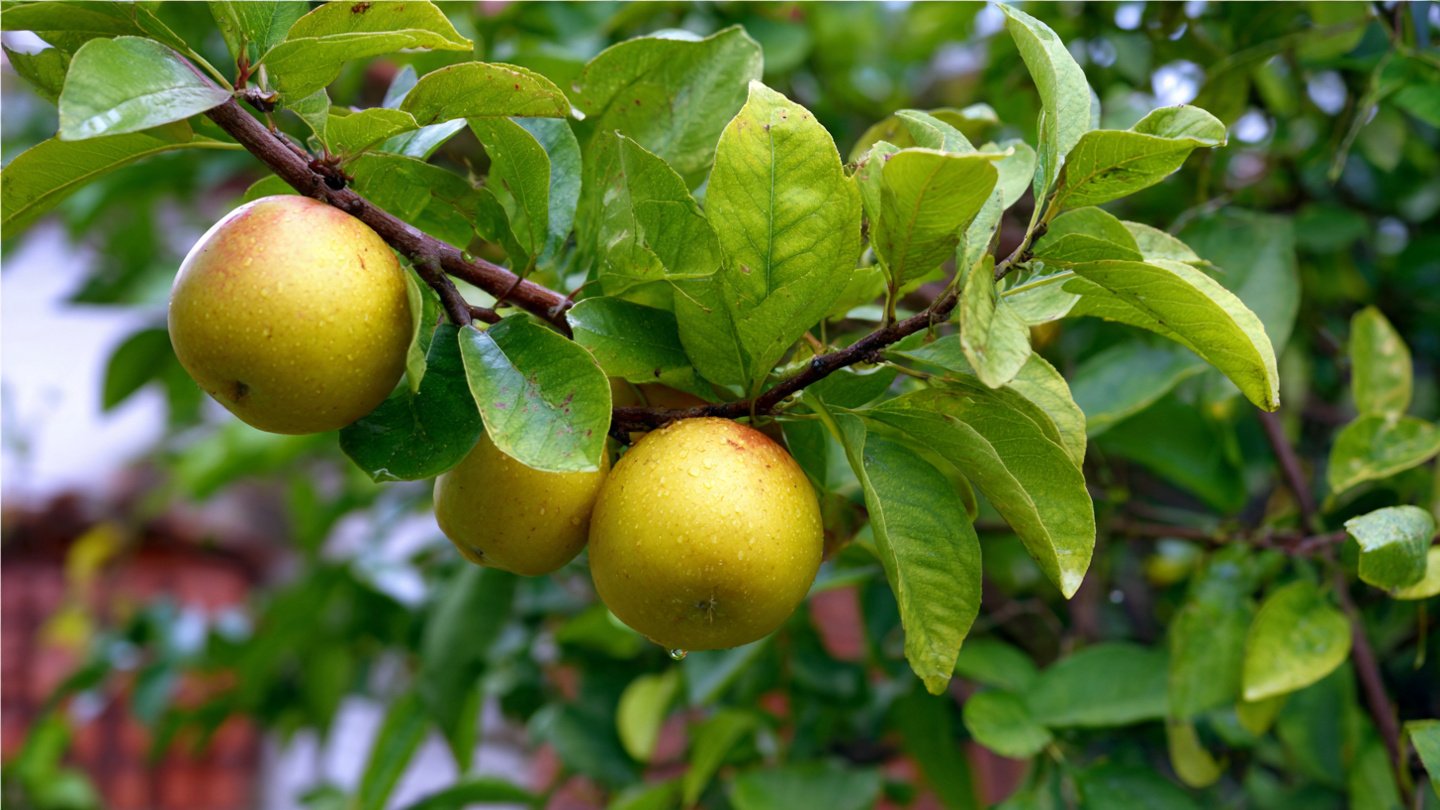
A healthy fruit tree should stand strong, upright, and balanced, supporting lush foliage and abundant harvests. When a fruit tree begins to lean, it’s more than just a cosmetic concern—it can signal underlying issues that threaten the tree’s stability, health, and long-term productivity. Left unaddressed, a leaning tree may suffer root damage, reduced fruit yields, or even topple during storms.
In this comprehensive guide, we’ll explore why fruit trees lean, how to assess the severity of the problem, and effective methods to brace and stabilize them safely. Whether you’re dealing with young saplings or mature fruit trees, understanding the causes and solutions will help protect your orchard investment.
Understanding Why Fruit Trees Lean
Fruit trees lean for several reasons, often related to environmental stress, poor planting practices, or structural imbalance. Identifying the root cause is the first step toward an effective solution.
1. Improper Planting Depth
One of the most common causes of leaning fruit trees is incorrect planting depth. Trees planted too shallow lack adequate root anchoring, while trees planted too deep can suffer from poor root development and oxygen deprivation.
Signs of improper planting:
- Exposed root flare above soil level
- Soil settling around the trunk
- Weak root establishment
Correct planting depth ensures roots spread outward and downward, creating a strong foundation.
2. Loose or Compacted Soil
Fruit trees rely on well-structured soil to anchor their roots. Loose, sandy soil may fail to hold the root system firmly, while overly compacted soil restricts root growth and water penetration.
Contributing factors include:
- Poor soil preparation
- Heavy foot traffic around the base
- Clay-heavy soils with poor drainage
Without proper root grip, even a mild wind can cause trees to tilt.
3. Wind Exposure and Storm Damage
Strong or persistent winds are a major reason fruit trees lean—especially young or newly planted trees. Sudden storms can loosen roots, while constant wind exposure slowly pushes trees off balance.
High-risk conditions:
- Open landscapes without windbreaks
- Hillsides or slopes
- Coastal or storm-prone regions
Wind stress often worsens if the tree was not staked properly at planting.
4. Uneven Canopy Growth and Heavy Fruit Load
Fruit trees naturally develop asymmetrical canopies if pruning is neglected. Heavy fruiting on one side of the tree adds significant weight, pulling the trunk toward that direction.
Common issues:
- Overloaded branches
- Unbalanced pruning
- Late thinning of fruit
This imbalance shifts the tree’s center of gravity and causes gradual leaning.
5. Root Damage or Root Rot
Roots are the anchors of any tree. Damage caused by pests, disease, waterlogging, or construction activities can weaken anchorage.
Root problems may result from:
- Overwatering and poor drainage
- Fungal diseases such as root rot
- Rodent damage
- Mechanical injury during landscaping
When roots fail, the tree loses its natural support system.
6. Slope Planting Without Proper Support
Fruit trees planted on slopes or uneven ground are naturally more prone to leaning downhill due to gravity and soil erosion.
Common slope-related challenges:
- Soil washout during rain
- Shallow root development uphill
- Uneven moisture distribution
Without terracing or bracing, slope-planted trees often tilt over time.
Assessing the Severity of a Leaning Fruit Tree
Before bracing your tree, it’s important to evaluate how serious the lean is.
When a Lean Is Minor
- Tree tilts less than 15 degrees
- Roots appear intact
- No visible cracks in soil around base
Minor leans can often be corrected easily.
When a Lean Is Serious
- Tree tilts more than 15–20 degrees
- Roots are exposed or lifted
- Soil is cracked or sunken
- Tree recently fell during a storm
Severe leans may require professional arborist assistance.
How to Brace Fruit Trees Effectively
Bracing a fruit tree correctly helps it regain stability while allowing roots to strengthen naturally.
1. Straighten the Tree Gently
Before installing supports:
- Moisten the soil around the root zone
- Gently pull the tree back to an upright position
- Avoid forcing the trunk abruptly
If resistance is strong, stop—forcing may break roots.
2. Choose the Right Bracing Method
Single Stake (For Small Saplings)
- Drive stake 12–18 inches into the ground
- Place stake on the windward side
- Tie tree loosely using soft ties
Double Stakes (For Moderate Lean)
- Place stakes on opposite sides
- Use flexible tree straps
- Allows limited movement to encourage root growth
Triple Stake System (For Larger Trees)
- Place three stakes evenly around the tree
- Secure with wide, flexible ties
- Best for windy areas or sloped ground
Avoid rigid ties that restrict movement—trees need slight motion to strengthen.
3. Use Proper Ties and Materials
Best materials include:
- Rubber tree ties
- Soft cloth strips
- Elastic tree straps
Avoid:
- Wire
- Rope directly on bark
- Plastic twine
Improper materials can cut into bark and damage the trunk.
4. Anchor at the Correct Height
Secure ties at one-third to one-half the height of the tree, not at the top. This provides leverage while allowing the upper portion to sway naturally.
5. Improve Soil Stability
After bracing:
- Firm soil around the root zone
- Add compost to improve structure
- Mulch to retain moisture and reduce erosion
Healthy soil supports root regeneration and long-term stability.
Long-Term Solutions to Prevent Leaning
Bracing is a temporary solution. Long-term prevention ensures trees remain upright naturally.
Proper Pruning Practices
- Balance canopy growth annually
- Remove crossing or overloaded branches
- Thin fruit early in the season
Balanced canopies reduce uneven weight distribution.
Encourage Strong Root Growth
- Deep, infrequent watering
- Avoid shallow watering habits
- Prevent soil compaction near the trunk
Deep roots anchor trees more securely.
Install Windbreaks
- Plant hedges
- Use fencing or shade cloth
- Create natural barriers
Windbreaks reduce constant wind stress.
Correct Planting Techniques
- Plant at proper depth
- Spread roots horizontally
- Avoid overly large planting holes
Good planting practices prevent future leaning issues.
When to Remove Braces
Braces should not be permanent.
Typical timeline:
- Young trees: Remove after 6–12 months
- Larger trees: Up to 18 months in extreme cases
Test stability by gently shaking the trunk. If it stands firm, remove supports gradually.
When to Call a Professional
Seek professional help if:
- Tree is severely leaning
- Roots are extensively exposed
- Tree is mature and heavy
- Leaning occurred after a major storm
Certified arborists have specialized tools and expertise to save valuable trees safely.
Conclusion
Leaning fruit trees are a common but manageable problem when addressed early. By understanding the causes—whether improper planting, wind exposure, root issues, or canopy imbalance—you can take targeted action to correct the problem. Effective bracing, combined with proper soil care and pruning, helps trees regain stability and grow stronger over time.
Remember, the goal is not to restrain the tree permanently but to support it while it rebuilds its natural strength. With careful assessment, the right bracing techniques, and long-term preventive care, your fruit trees can stand tall, healthy, and productive for many seasons to come.