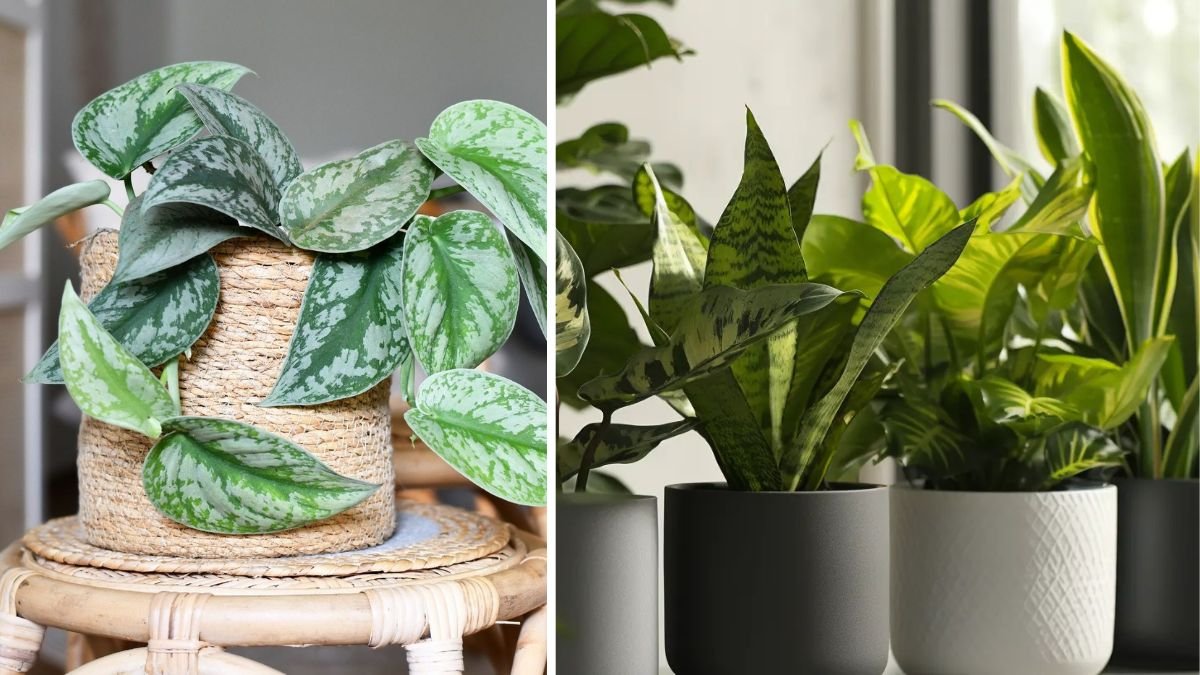
In the world of gardening, some plants are more than just greenery—they are coveted symbols of style, sophistication, and horticultural prowess. Among these, rare variegated plants stand out as ultimate status symbols. From shimmering white stripes to pale yellow splashes and deep pink patterns, variegated plants capture attention, spark envy, and signify the dedication of a gardener who goes above and beyond. But what makes these plants so desirable, and why are gardeners willing to invest significant time, effort, and money into acquiring them?
Understanding Variegation
Variegation refers to the presence of multiple colors on a plant’s leaves, stems, or flowers. Unlike regular plants, which are a uniform green due to chlorophyll, variegated plants display a mixture of colors caused by genetic mutations, chimeras, or viral infections. These unique patterns can include:
- Stripes: Thin lines of contrasting colors running along leaves.
- Splashes or Spots: Irregular patches of white, cream, yellow, or pink.
- Edges: Colored margins or borders around leaf edges.
Variegation not only makes plants visually stunning but also reflects a rare genetic quirk. This rarity is part of why variegated plants have become highly sought after—they are naturally limited, and reproducing their patterns reliably is a challenge.
The Allure of Rarity
Gardeners, much like art collectors, are drawn to the rare and unusual. Variegated plants are inherently unique; no two leaves are ever exactly the same, especially in the most coveted cultivars. This uniqueness creates a sense of prestige for gardeners who can showcase them.
Several factors contribute to the rarity and status of variegated plants:
- Limited Propagation: Many variegated plants do not propagate easily. Their specialized pigmentation can make them more delicate or slow-growing, meaning fewer specimens are available.
- High Maintenance: Maintaining the health and color of variegated plants often requires specific light, water, and nutrient conditions. Successfully growing them signals skill and expertise.
- Collector Appeal: Certain variegated plants, such as variegated Monstera, Philodendron, or Ficus, are considered “collector’s items” in the plant community. Owning one signals insider knowledge and commitment.
Why Variegated Plants Are a Status Symbol
1. Visual Impact
The first thing anyone notices about variegated plants is their eye-catching beauty. White, cream, or pink streaks against a green background create a visual contrast that is instantly striking. Displaying these plants in a home, office, or garden conveys a sense of sophistication and artistic flair. In essence, these plants function as living décor that commands attention.
2. Demonstration of Expertise
Successfully cultivating variegated plants requires knowledge and skill. Many variegated species are more susceptible to sunburn, root rot, or color loss. Maintaining their vibrancy shows a gardener’s mastery of plant care, from balancing light exposure to adjusting watering schedules. Owning these plants is a subtle way to demonstrate horticultural expertise.
3. Investment Value
Rare variegated plants can also serve as investments. Certain highly sought-after cultivars sell for hundreds or even thousands of dollars. For example, variegated Monstera deliciosa or Alocasia zebrina can fetch premium prices in the plant market. Gardeners who acquire these plants are not just adding beauty to their space—they’re also participating in a market where rarity equals monetary value.
4. Social Proof in Plant Communities
With the rise of online plant communities on social media platforms, owning rare variegated plants has become a form of social currency. Gardeners post photos of their collections to share their achievements and gain recognition. A rare variegated specimen can elevate a gardener’s status, earning admiration from peers and followers. In this sense, the plant itself becomes a symbol of accomplishment.
Popular Variegated Plants That Command Attention
Some variegated plants have achieved cult status among enthusiasts due to their rarity, visual appeal, and care requirements:
- Monstera deliciosa ‘Albo Variegata’: Known for striking white marbling on split leaves, this plant is among the most coveted variegated species.
- Philodendron Pink Princess: Its dramatic pink splashes make it a showstopper in any collection.
- Ficus elastica ‘Ruby’ or ‘Tineke’: Variegated rubber plants with shades of pink, cream, and green are prized for their resilience and vibrant patterns.
- Calathea and Maranta Varieties: These “prayer plants” feature intricate variegation that adds movement and color indoors.
- Alocasia and Anthurium Cultivars: Some rare Alocasia species display stark white or silver variegation, making them highly collectible.
Owning these plants signals both financial investment and dedication, enhancing their role as status symbols.
Challenges of Growing Variegated Plants
While the allure is undeniable, growing variegated plants is not without challenges.
1. Reduced Photosynthesis
The lighter or white areas on leaves lack chlorophyll, meaning variegated plants have less capacity for photosynthesis than their fully green counterparts. This can lead to slower growth and increased vulnerability to stress.
2. Light Sensitivity
Many variegated plants require bright, indirect light. Too little light can cause leaves to revert to green—a natural mechanism to regain photosynthetic efficiency—while too much direct sunlight can scorch the delicate patterns.
3. Propagation Difficulties
Propagating variegated plants can be tricky. Cuttings may revert to green, and seedlings may not inherit the same variegation patterns. This rarity and unpredictability increase both their status and their market value.
4. Maintenance Requirements
Maintaining vibrant colors requires precise watering, humidity control, and protection from pests. Variegated plants often signal that the gardener is attentive, skilled, and willing to invest the effort to keep their plants in top condition.
Tips for Displaying Variegated Plants as a Statement
To maximize the visual and symbolic impact of variegated plants, consider the following:
- Elevate the Plants: Place them on stands or pedestals to highlight their unique leaves.
- Group by Color: Combine variegated plants with complementary foliage to create a curated, artistic display.
- Rotate Regularly: Ensure all leaves receive light to maintain consistent variegation.
- Share in Plant Communities: Posting photos or sharing growth tips can reinforce your status as a knowledgeable gardener.
By presenting variegated plants thoughtfully, gardeners can make them the centerpiece of any indoor or outdoor space.
Conclusion: Why Gardeners Covet Variegated Plants
Rare variegated plants are more than just exotic flora—they are status symbols, proof of horticultural skill, and objects of beauty that elevate any garden or indoor space. Their rarity, unique visual appeal, maintenance requirements, and investment value make them a prized possession for serious plant collectors.
Owning a variegated Monstera, Philodendron, or Ficus tells a story: that of a gardener who appreciates rare beauty, understands plant care, and participates in the wider community of plant enthusiasts. It’s no surprise that in today’s gardening world, variegated plants are often the ultimate badge of prestige.
For gardeners looking to make a statement, investing in variegated plants—and learning the care techniques to keep them healthy—is a rewarding pursuit. Not only do these plants elevate the aesthetic of any space, but they also mark the gardener as someone with taste, skill, and dedication—a true connoisseur of the green world.