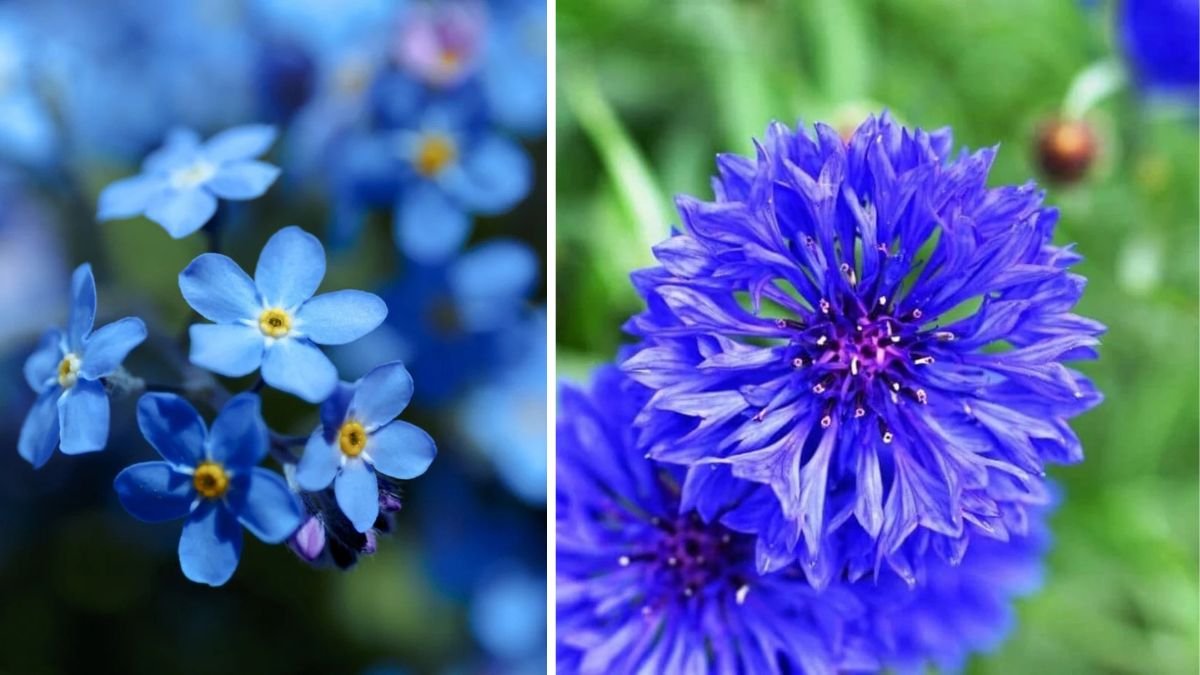
Blue flowers have captivated gardeners, florists, and nature enthusiasts for centuries. Their rare and serene hues evoke feelings of tranquility, depth, and mystery, setting them apart from the more common reds, yellows, and whites. Yet, despite their allure, blue flowers remain some of the most difficult to cultivate successfully. Understanding why they pose such a challenge—and why the rewards of growing them are so satisfying—requires exploring a combination of biological, environmental, and horticultural factors.
The Science Behind Blue Flowers
The rarity of blue flowers in nature is not just a coincidence—it is a matter of chemistry. Unlike red, yellow, or white pigments, which are widely produced by plants, true blue pigmentation is relatively uncommon. The blue color in flowers primarily comes from anthocyanins, a class of pigments that can appear red, purple, or blue depending on the pH within the plant cells. Achieving a pure blue requires a precise combination of these pigments along with specific pH levels and metal ion concentrations, such as magnesium and iron.
This complex chemistry explains why blue flowers are scarce in the wild and why replicating it in a garden setting is so difficult. Even slight variations in soil pH, mineral content, or climate can cause the flower to shift from blue to purple or lavender, frustrating even experienced gardeners. The delicate balance needed to produce and maintain blue pigmentation makes these flowers a true horticultural challenge.
Environmental Sensitivity
Blue flowers are also particularly sensitive to environmental conditions. Many blue-flowering plants, such as Hydrangea macrophylla, thrive only under specific soil pH levels. For instance, hydrangeas turn blue in acidic soils with a pH of 5.2 to 5.5, while in neutral or alkaline soils, they may appear pink or purple. This means gardeners must carefully test and amend the soil to achieve the desired hue, often requiring ongoing monitoring and adjustments.
Temperature and sunlight also play a crucial role. Blue flowers often prefer cooler temperatures and partial shade, as excessive heat can cause pigment degradation and reduce the vibrancy of the color. Maintaining these optimal conditions requires careful planning and sometimes even microclimate management in the garden, further increasing the difficulty of cultivation.
The Rarity Factor
Part of the challenge also stems from the fact that blue flowers are rare in the natural world. Many common garden varieties, like roses, tulips, and orchids, do not naturally produce true blue flowers. Gardeners often rely on hybrids, selective breeding, or genetic modifications to create blue versions of these plants. For example, the blue rose—long considered a symbol of mystery and unattainable beauty—was only made commercially available through genetic engineering in the early 21st century.
This rarity also means that sourcing seeds or bulbs for authentic blue flowers can be difficult and expensive. It requires not only patience but also dedication to track down reputable suppliers and ensure the plants are true to color. For hobbyists, this adds an extra layer of commitment, but it also enhances the satisfaction when successful blooms are finally achieved.
Patience and Precision in Care
Cultivating blue flowers is not a task for the impatient. Many blue-flowering species demand meticulous care, from the timing of planting and pruning to precise watering schedules. Some species, like Gentiana scabra, are slow to bloom, requiring years of proper care before they display their signature blue petals. Others, such as certain varieties of delphiniums, are prone to diseases like powdery mildew, necessitating vigilant observation and preventive measures.
Gardeners must also be mindful of companion planting. Blue flowers often benefit from soil rich in organic matter but may struggle alongside plants that alter soil chemistry or compete aggressively for nutrients. The balance of these factors—soil, water, light, temperature, and plant companions—demands an attentive and educated approach to gardening, which can be intimidating for beginners but deeply rewarding for those willing to learn.
Emotional and Aesthetic Rewards
Despite these challenges, the payoff of successfully growing blue flowers is significant. The rarity of their color alone makes them a striking addition to any garden. Their serene tones can transform a garden space, providing a calming visual anchor among more common floral colors. Psychologists and color theorists note that blue is associated with tranquility, calmness, and even creativity, meaning a garden featuring blue flowers can enhance emotional well-being and encourage mindfulness.
Moreover, blue flowers often hold symbolic meanings that make them particularly special to gardeners. They are frequently associated with loyalty, peace, and the impossible or unattainable, adding a poetic layer to their cultivation. Growing a flower that is naturally rare and difficult to achieve can feel like an accomplishment, connecting the gardener to centuries of floral tradition and horticultural innovation.
Cultivating Blue Flowers: Practical Tips
For those willing to accept the challenge, there are several practical strategies for successfully cultivating blue flowers:
- Soil Management: Regularly test soil pH and amend with sulfur, peat moss, or other acidifying agents if necessary. Certain blue flowers, like hydrangeas, require consistent soil acidity to maintain their hue.
- Selective Breeding: Opt for plant varieties specifically bred for blue coloration. While not always “true blue,” these hybrids have been developed to maintain color more reliably under garden conditions.
- Microclimate Adjustment: Plant blue flowers in areas that mimic their natural conditions. Partial shade, protection from harsh winds, and consistent moisture levels can make a significant difference.
- Nutrient Optimization: Blue flowers often respond well to balanced fertilization, with attention to micronutrients like magnesium and iron, which support pigment development.
- Patience and Observation: Keep detailed notes on watering, sun exposure, and soil adjustments. Over time, this data will help refine cultivation techniques and increase the likelihood of achieving vibrant blue blooms.
Iconic Blue Flowers
Some blue flowers are renowned for their beauty and challenge:
- Delphinium elatum – Known for its striking vertical spikes of intense blue, it requires precise soil and climate conditions to thrive.
- Hydrangea macrophylla – Famous for its ability to change color based on soil pH, hydrangeas are a gardener’s test of patience and skill.
- Gentiana scabra – Often found in alpine regions, its deep blue petals are notoriously difficult to cultivate in lowland gardens.
- Meconopsis betonicifolia – Celebrated for its intense, almost surreal blue, this flower is a highlight of temperate gardens but demands cool, moist conditions and careful care.
Each of these plants exemplifies the balance of challenge and reward that defines blue-flowering cultivation.
Conclusion
Blue flowers occupy a unique place in horticulture. Their rarity, sensitivity to environmental factors, and complex pigmentation make them challenging to cultivate, but these very challenges are what make the success of growing them so gratifying. For gardeners, the pursuit of blue blooms is both an art and a science—a test of patience, skill, and dedication.
When a gardener finally witnesses the vivid azure of a healthy blue flower in bloom, it is more than just a visual delight. It is a triumph over nature’s challenges, a testament to careful observation and care, and a deeply personal connection to the beauty of the natural world. In a garden filled with reds, yellows, and whites, the blue flower stands as a rare jewel, reminding us that some of the most precious things in life are worth the effort it takes to cultivate them.
Whether it is the mystique of a Himalayan blue poppy, the gentle serenity of a blue hydrangea, or the elegance of a delphinium spike, blue flowers continue to inspire, challenge, and reward gardeners worldwide. Their cultivation is a journey—a blend of science, patience, and artistry—whose rewards are as rare and unforgettable as the flowers themselves.