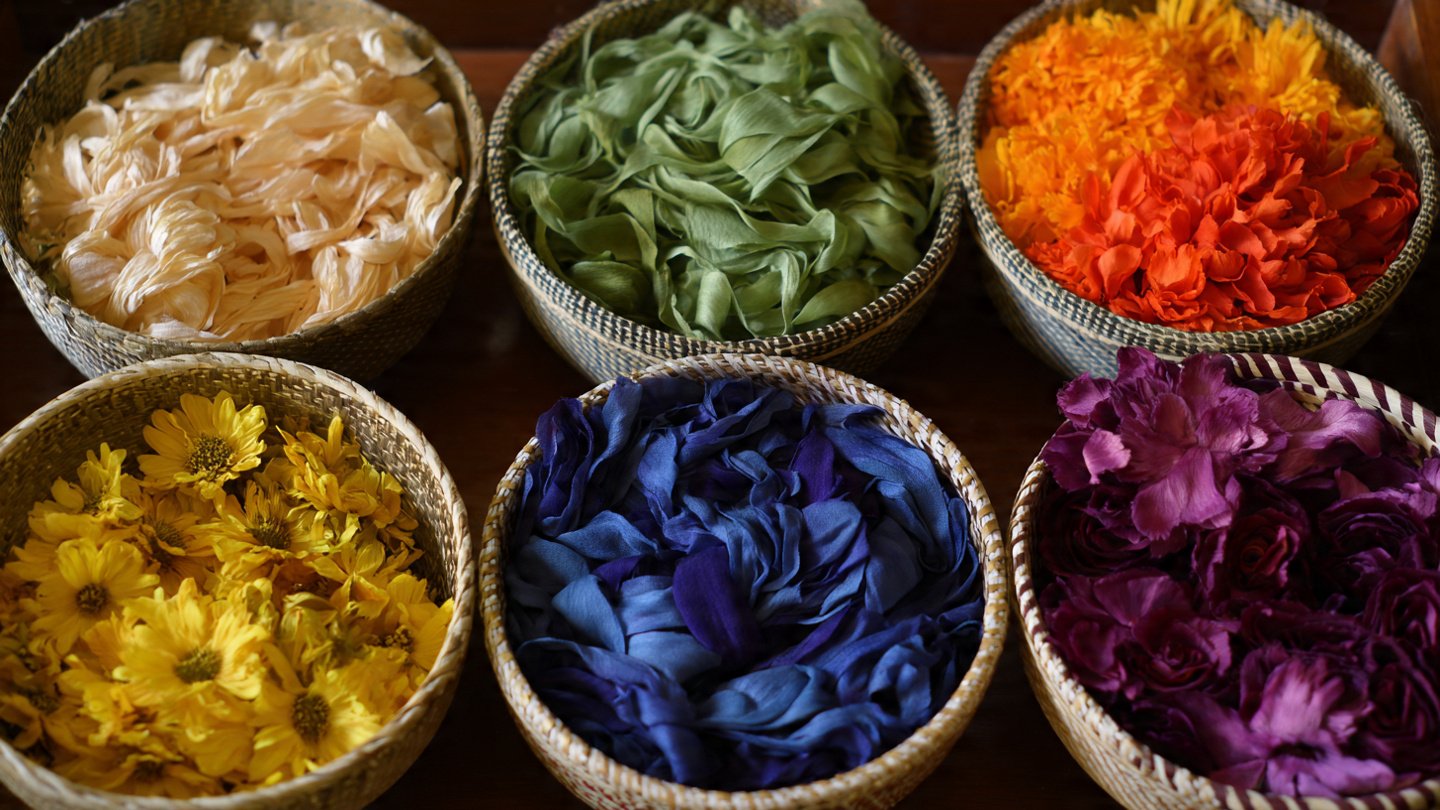
Natural fabric dyes are making a comeback in the world of home crafting. Not only do they offer eco-friendly alternatives to chemical dyes, but they also create unique, vibrant, and subtle hues that change depending on the fabric and technique used. Among the most versatile sources for natural dyes are flowers. Their wide range of pigments, ease of harvesting, and availability in many regions make them ideal for home textile projects.
Whether you are dyeing cotton, silk, wool, or even paper, understanding which flowers produce the best natural colors is key to achieving professional-looking results. In this guide, we’ll explore some of the most reliable flowers for natural dyeing, how to prepare them, and tips for home fabric crafting.
Why Use Flowers as Natural Dyes?
Flowers are not only beautiful in gardens and bouquets—they also contain pigments that can be transferred to fabrics, creating lasting color. Some advantages of using flowers include:
- Eco-friendliness: Avoids the harsh chemicals found in synthetic dyes
- Safety: Non-toxic and often safe for children to handle
- Variety: Wide spectrum of colors, from bright pinks to deep purples
- Availability: Many flowers are grown in home gardens or wildcrafted
- Creativity: Each batch produces slightly different shades, making fabrics unique
Using flowers for dyeing also opens doors for experimentation with color layering, blending, and natural mordants.
How Flower Pigments Work on Fabric
The color in flowers comes from natural pigments:
- Anthocyanins: Found in red, pink, purple, and blue flowers. Sensitive to pH changes, allowing color shifts with acidic or alkaline treatments.
- Carotenoids: Produce yellow, orange, and red hues. Stable and vibrant, often unaffected by mild pH changes.
- Flavonoids and tannins: Often create subtle browns or contribute to color fastness.
Most natural dyes require a mordant, a substance that binds the pigment to the fabric, improving color intensity and washfastness. Common natural mordants include alum, iron, and cream of tartar.
Top Flowers for Vibrant Red, Pink, and Purple Dyes
1. Madder (Rubia tinctorum)
Although technically a root, madder flowers and leaves can also contribute to reddish hues. Madder produces warm reds and coral tones, ideal for cotton and silk.
2. Hibiscus
Hibiscus petals yield bright pinks and magentas, depending on water pH. Acidic water produces deeper pinks, while alkaline water shifts the color toward purples.
3. Rose
Roses provide soft pink to muted red tones, with older petals often giving richer shades. Rose petals are also fragrant, adding a sensory element to crafting.
4. Lavender
Lavender blooms produce light purple to bluish tones, best suited for silk or wool. While subtle, the shades are elegant and suitable for home textiles.
5. Beet and Pansy Mix
Though not all pansy colors produce strong dye, mixing deep purple pansy petals with beet juice can amplify violet and mauve tones.
Flowers for Yellow and Golden Dyes
1. Marigold (Tagetes)
Marigold petals yield bright golden yellows and oranges. They are abundant, making them a reliable choice for natural dyeing in summer months.
2. Calendula
Calendula petals produce warm yellow hues, slightly softer than marigold. Excellent for delicate fabrics like silk scarves.
3. Chrysanthemums
Certain chrysanthemum varieties create soft buttery yellows, perfect for pastel fabric projects.
4. Coreopsis
Coreopsis petals are underused in dyeing but produce vivid lemon-yellow shades with excellent fastness when combined with alum mordants.
Blue and Green Dyes from Flowers
1. Bluebells and Borage
These flowers contain anthocyanins that yield blue shades, particularly when used with slightly acidic mordants. Borage flowers are especially effective for soft sky-blue tones.
2. Hydrangea
Hydrangeas are versatile; the pH of your water affects the shade. Acidic water creates blue tones, while alkaline water produces pinks or purples.
3. Greenish-Yellow Combinations
Mixing yellow flower dyes with blue dyes (like indigo or bluebell petals) can create green hues without synthetic colorants. This layering technique allows home crafters to experiment with a broad palette.
Tips for Harvesting and Preparing Flowers
- Harvest at Peak Bloom: Pigment is strongest when flowers are fresh and fully open.
- Drying: For storage, flowers can be air-dried. Keep in a dark, cool area to retain color.
- Chopping or Crushing: Increasing surface area helps release more pigment during simmering.
- Simmering, Not Boiling: Gently simmer petals in water to extract color without destroying delicate pigments.
- Strain Before Dyeing: Remove plant matter to avoid texture or staining irregularities on fabric.
Proper preparation ensures consistent, vibrant results across different fabric types.
Mordants and Fixatives
Mordants are critical for ensuring color durability:
- Alum: Produces bright and consistent colors; ideal for beginners.
- Iron: Darkens colors, giving muted or earthy tones.
- Tannins: Found in tea, oak, or sumac; enhance colorfastness.
Experimenting with different mordants can change the intensity and hue of your floral dyes. Always follow safe handling instructions and wear gloves when necessary.
Fabric Selection and Compatibility
The type of fabric affects dye absorption and color intensity:
- Natural fibers: Cotton, linen, silk, and wool absorb flower dyes best.
- Synthetic fibers: Polyester and nylon are generally resistant to natural dyes.
- Pre-treatment: Washing fabrics to remove oils or sizing ensures better color uptake.
Silk and wool often produce richer and deeper hues because their fibers naturally bind with plant pigments.
Creative Techniques for Home Flower Dyeing
1. Direct Dyeing
Simmer flowers in water, strain, and immerse fabric until the desired shade is achieved.
2. Bundling / Eco-Printing
Place petals and leaves on fabric, roll tightly, and steam or boil. This technique leaves natural imprints and subtle gradients.
3. Layering Colors
Start with a base yellow dye (marigold or calendula) and layer red or blue petals to create custom shades like peach, coral, or green.
4. Shibori or Tie-Dye Effects
Combine traditional resist techniques with flower dyes to achieve organic patterns and textured designs.
Maintaining and Caring for Naturally Dyed Fabrics
Natural dyes are delicate but long-lasting with proper care:
- Gentle washing: Use mild soap and cold water. Avoid harsh detergents.
- Air-drying: Sunlight may fade colors over time, so dry fabrics in shaded areas.
- Storage: Store in dark, dry spaces to prevent color degradation.
- Re-dyeing: Fabrics can be re-dyed or layered to restore vibrancy.
These practices preserve the unique charm of flower-dyed textiles for years.
Final Thoughts
Flowers are more than just decorative elements—they are a sustainable, versatile source of natural dyes for home fabric crafting. From vivid marigold yellows to soft lavender purples and warm rose reds, there’s a flower for nearly every hue you want to achieve. With proper harvesting, mordanting, and fabric preparation, flower-based dyes allow crafters to create eco-friendly, personalized textiles with unmatched beauty and character.
By experimenting with combinations, layering, and techniques like eco-printing, you can turn your fabrics into living art that reflects the natural world. Whether for clothing, home décor, or gifts, floral dyes offer a creative path to sustainable, vibrant, and one-of-a-kind fabrics.
The next time you admire a garden in full bloom, remember that those petals might hold the colors for your next fabric masterpiece. With a little patience, creativity, and love for nature, your home-crafted textiles can burst with the hues of your favorite flowers, blending beauty and sustainability in every stitch