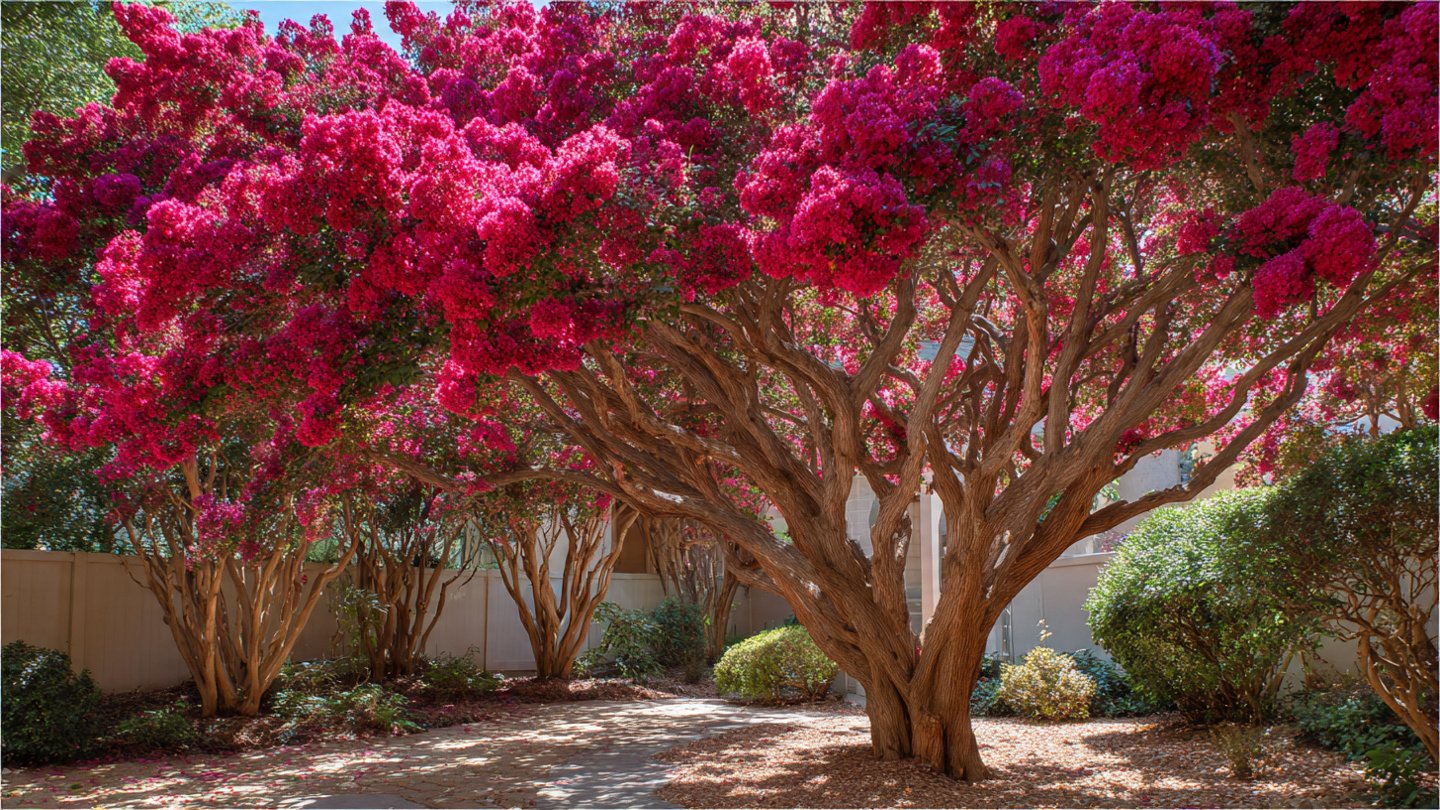
Crepe myrtles are beloved for their vibrant summer blooms, attractive bark, and elegant form. These hardy trees and shrubs can add beauty and structure to any landscape, but proper pruning is essential to ensure healthy growth and abundant flowers. Timing, technique, and understanding the plant’s natural growth cycle are all key factors in getting the most out of your crepe myrtles. This guide explores the best times to prune, the techniques to use, and how pruning affects both health and bloom quality.
1. Understanding Crepe Myrtle Growth and Blooming Cycle
Crepe myrtles (genus Lagerstroemia) are deciduous trees or shrubs that grow in warm climates, thriving in full sun. Their growth and flowering cycles are critical to understand before pruning:
- New wood blooms: Crepe myrtles produce flowers on new growth that emerges in spring and summer. Pruning encourages the development of this new wood.
- Dormant season: During late fall and winter, the plant enters dormancy. Pruning during this period can shape the plant without removing blooming wood prematurely.
- Growth rate: Crepe myrtles grow moderately fast, and proper pruning can prevent overly vigorous shoots that sap energy from flowers.
Knowing this cycle helps ensure pruning promotes health and maximizes blooms.
2. Best Time to Prune Crepe Myrtles
Timing is the most important factor in crepe myrtle pruning:
- Late Winter / Early Spring (Dormant Pruning): The ideal time is late February to early March, just before new growth begins. At this stage:
- You can remove dead, damaged, or crossing branches.
- The plant’s natural shape can be maintained.
- New shoots encouraged by pruning will bloom abundantly during summer.
- Avoid Summer Pruning: Pruning during active growth or after bloom can reduce flowering. It may also stress the plant and reduce vigor.
- Light Summer Touch-Up: Some gardeners remove spent flowers (deadheading) in mid to late summer to encourage additional blooms but avoid heavy cuts.
Pruning at the right time aligns with the natural growth cycle, maximizing both tree health and floral display.
3. Why Pruning Is Important
Pruning isn’t just about aesthetics—it’s essential for plant health and longevity:
- Promotes air circulation: Proper pruning reduces overcrowding, preventing fungal diseases such as powdery mildew.
- Encourages strong structure: Removing weak or crossing branches prevents structural problems as the tree matures.
- Increases blooms: Strategic pruning stimulates new growth, where flowers form, producing more vibrant displays.
- Removes damaged wood: Winter pruning allows you to identify and remove branches damaged by cold, insects, or disease.
Without pruning, crepe myrtles may become overgrown, sparse in blooms, or structurally weak.
4. Pruning Techniques for Healthy Growth
Different pruning techniques address specific goals:
a. Thinning Cuts
- What it is: Removing entire branches back to the trunk or main branch.
- Purpose: Improves light penetration and airflow, reduces overcrowding, and encourages strong new growth.
b. Heading Cuts
- What it is: Cutting back the tip of a branch to a lateral bud.
- Purpose: Encourages branching and denser growth. Use sparingly to avoid “topping,” which can damage the natural form.
c. Deadheading
- What it is: Removing spent flower clusters during the blooming season.
- Purpose: Prevents seed formation that can divert energy and sometimes encourages a small second flush of flowers.
d. Structural Pruning
- What it is: Removing weak, crossing, or inward-growing branches.
- Purpose: Maintains tree shape and reduces the risk of limb breakage in storms.
Mastering these techniques ensures the crepe myrtle remains healthy, well-shaped, and prolific in blooms.
5. Common Pruning Mistakes to Avoid
Even experienced gardeners can make mistakes that harm crepe myrtles:
- “Crepe Murder”: Excessive topping of the tree, cutting branches back to stubs, is damaging. It weakens the tree and reduces flowering.
- Pruning at the wrong time: Heavy pruning in summer or fall removes flower buds and reduces bloom potential.
- Neglecting thinning: Simply cutting branch tips without removing overcrowded branches can lead to weak, unhealthy growth.
- Ignoring dead wood: Failing to remove dead or diseased branches can lead to pest infestations and disease spread.
Avoiding these mistakes ensures that pruning improves the plant rather than undermining its health and beauty.
6. Step-by-Step Guide to Pruning Crepe Myrtles
Here’s a practical approach to pruning for health and blooms:
- Assess the Tree: Identify dead, damaged, or weak branches. Determine areas with overcrowding or poor airflow.
- Start at the Base: Remove suckers or shoots growing from the base of the tree. These can drain energy from the main branches.
- Remove Crossing Branches: Eliminate branches that rub against each other or grow inward toward the trunk.
- Thin Out Crowded Areas: Cut select branches entirely to open the canopy and allow sunlight and air to reach all parts.
- Shape the Tree: Make minimal heading cuts to maintain natural shape. Avoid reducing branches excessively.
- Clean Tools: Always use sharp, clean pruning shears or loppers to prevent tearing and disease transmission.
Following this method ensures a healthy, well-structured tree that produces vibrant flowers.
7. After-Pruning Care
Pruning is only part of the process; proper care afterward is essential:
- Mulch: Apply a layer of organic mulch around the base to retain moisture and regulate soil temperature.
- Watering: Ensure adequate watering during dry periods to support new growth.
- Fertilization: Apply a balanced fertilizer in early spring to encourage healthy leaf and flower development. Avoid high-nitrogen fertilizers, which promote excessive foliage growth at the expense of blooms.
- Monitor for Pests and Disease: Pruning opens the canopy, which may expose the tree to pests. Inspect regularly and treat as needed.
These steps help the tree recover quickly and produce a spectacular floral display.
8. Special Considerations for Shrubs vs. Trees
Crepe myrtles vary in size from small shrubs to large trees. Pruning needs differ slightly:
- Shrub-form: Prune lightly to maintain a rounded shape and encourage multi-stemmed growth. Avoid heavy topping that removes natural form.
- Tree-form: Focus on structural pruning to establish a central leader and strong branches. Limit heading cuts to maintain elegant natural shape.
- Container-grown: Smaller, potted crepe myrtles may require more frequent light pruning to prevent overcrowding and maintain bloom density.
Understanding the form of your crepe myrtle ensures pruning is effective and appropriate for its growth habit.
9. Encouraging Maximum Blooms
Pruning is directly linked to flowering potential:
- Target new wood: Flowers emerge on new growth, so pruning stimulates new branches that will bloom in summer.
- Avoid excessive removal: Removing too much old wood can reduce the number of flower buds and negatively impact bloom density.
- Deadheading during bloom: Light removal of spent flowers can extend the blooming season slightly.
Properly timed and executed pruning ensures your crepe myrtles produce lush, vibrant flowers year after year.
10. Final Tips for Healthy Crepe Myrtles
- Plan pruning around climate: In areas with late frosts, delay pruning slightly to avoid damaging emerging buds.
- Regular maintenance: Minor pruning annually keeps the tree manageable and prevents large corrective cuts later.
- Respect natural shape: Avoid creating unnatural stubs; allow the tree to maintain its graceful form.
- Educate yourself: Each variety may respond slightly differently—observe how your specific crepe myrtle grows and adjusts pruning techniques accordingly.
Consistent attention to timing, technique, and care maximizes both the beauty and health of your crepe myrtles.
Conclusion
Pruning crepe myrtles is more than just a routine gardening task—it’s an investment in the health, structure, and floral brilliance of your trees or shrubs. By understanding the plant’s growth cycle, selecting the right time for pruning, and applying proper techniques, you can encourage strong branches, vibrant blooms, and long-term vitality. Avoiding common mistakes such as topping or heavy summer cuts ensures your crepe myrtle remains a stunning focal point in your garden.
From late winter dormant pruning to careful shaping and maintenance, following best practices will reward you with beautiful summer blooms, healthy growth, and a graceful natural form. Whether your crepe myrtle is a compact shrub or a towering tree, proper pruning allows it to thrive and create a lasting impression for years to come.
With patience, observation, and the right techniques, your crepe myrtles can become a hallmark of your landscape, providing colorful blossoms, structural beauty, and enjoyment season after season.