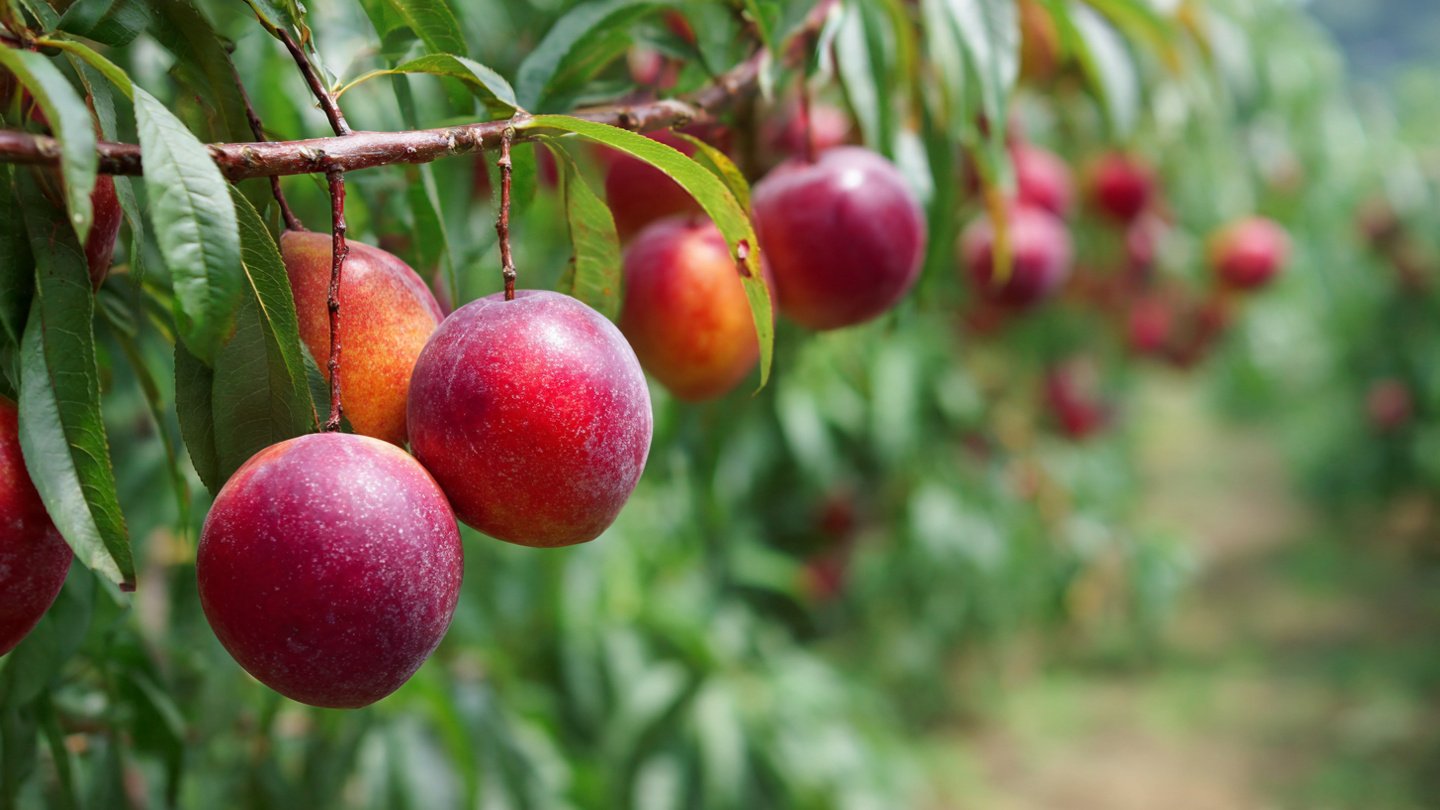
Bare-root fruit trees are a gardener’s dream. They are lightweight, cost-effective, and easier to handle compared to container-grown trees. However, the key to ensuring their healthy spring growth and abundant harvests lies in planting them at the right time. Plant them too early, and the roots may dry out or rot; plant too late, and the tree may struggle to establish itself before the growing season begins.
In this article, we’ll explore the optimal timing, preparation, and techniques for planting bare-root fruit trees so that your trees thrive in spring and beyond.
What Are Bare-Root Fruit Trees?
Bare-root fruit trees are trees sold with no soil around their roots. Instead, the roots are exposed and usually wrapped in damp materials to keep them moist during transport. This form of planting is common for apple, pear, cherry, peach, plum, and nectarine trees.
Advantages of bare-root trees include:
- Lower cost – less soil to transport means more affordable trees.
- Easier handling – lightweight and easier to transport and plant.
- Better root development – planting in the dormant season encourages roots to establish before the tree’s energy is used for leaf and fruit growth.
However, these advantages only materialize if the trees are planted at the correct time and handled properly.
Why Timing Matters
Timing is critical because bare-root trees are dormant when you plant them. Dormancy means the tree is not actively growing, which makes it less vulnerable to transplant shock.
Plant too early:
- Roots may be exposed to freezing temperatures.
- Moisture fluctuations can dry out delicate roots.
Plant too late:
- The tree may start leafing out before roots are established.
- Spring growth may be stunted, reducing fruit production.
The goal is to plant when the tree is dormant but the soil is workable, giving the roots time to establish before the tree enters active growth in spring.
Ideal Planting Time for Bare-Root Fruit Trees
According to garden experts, the best time to plant bare-root fruit trees depends largely on your climate and region:
- Temperate Regions:
- Plant in late winter to early spring while the tree is still dormant, typically February through early April.
- Soil should be thawed and workable, but buds should not have started swelling.
- Cooler Climates:
- Aim for mid- to late spring when the risk of frost has passed.
- Early planting in frozen or waterlogged soil can stress the roots.
- Warmer Climates:
- Bare-root trees can be planted earlier in winter, as long as the soil is not overly wet.
- Avoid planting during extremely dry periods without supplemental irrigation.
Tip: Your local garden center or extension service can provide region-specific guidance. Many nurseries sell bare-root trees during the dormant season, usually from January through March, which is an ideal planting window for most regions.
How to Prepare Bare-Root Trees for Planting
Proper preparation ensures successful establishment and spring growth. Follow these steps:
1. Inspect the Roots
- Remove any damaged or broken roots using clean, sharp pruning shears.
- Trim long roots to encourage new growth.
- Soak roots in water for 1–2 hours before planting to rehydrate them.
2. Choose the Right Location
- Select a site with full sun, at least 6–8 hours per day.
- Ensure well-draining soil; fruit trees do not tolerate waterlogged roots.
- Consider air circulation to reduce the risk of fungal diseases.
3. Prepare the Soil
- Loosen the soil to a depth of at least 12–18 inches to allow roots to spread.
- Amend soil with compost if necessary to improve fertility and drainage.
- Avoid adding high levels of nitrogen fertilizer at planting, as it can burn young roots.
Planting Techniques for Maximum Success
Planting bare-root trees correctly is just as important as timing.
Step 1: Dig the Hole
- Dig a hole twice as wide as the root system and deep enough so that the graft union (swollen area near the base of the trunk) is above soil level.
Step 2: Position the Tree
- Spread the roots evenly in the hole.
- Ensure the tree is straight and upright, with roots naturally fanning out.
Step 3: Backfill Carefully
- Fill the hole with soil, gently pressing to eliminate air pockets.
- Avoid burying the graft union, which can encourage disease or weak growth.
Step 4: Water Thoroughly
- Water the tree immediately after planting to help settle the soil around roots.
- Keep the soil consistently moist (not waterlogged) during the first growing season.
Step 5: Mulch Around the Base
- Apply 2–3 inches of organic mulch around the base of the tree, leaving space around the trunk.
- Mulch helps retain soil moisture, suppress weeds, and regulate soil temperature.
Supporting Your Tree
Newly planted bare-root trees often need support to establish strong roots:
- Staking: Use a soft tie to a stake if the tree is tall or in a windy area. Remove stakes after the first year to encourage strong trunk development.
- Protection: Guard the base against pests like rabbits or deer using tree guards or mesh fencing.
- Pruning: Limit pruning at planting to remove only damaged branches. Major shaping is best done during the first winter after planting.
Common Mistakes to Avoid
Even experienced gardeners can make mistakes that reduce spring growth success. Avoid these pitfalls:
- Planting too deep or shallow: Incorrect depth can stress roots and reduce fruiting.
- Using old or dried-out trees: Always choose trees with healthy, moist roots.
- Neglecting water: Bare-root trees are vulnerable until roots establish.
- Fertilizing immediately: Fertilize lightly only after new growth appears to avoid burning roots.
- Ignoring local climate: Plant according to local frost dates and soil conditions.
Benefits of Planting Bare-Root Trees at the Right Time
Planting bare-root fruit trees at the optimal time offers numerous advantages:
- Rapid Root Establishment: Dormant roots focus on developing a strong foundation.
- Reduced Transplant Shock: Trees adjust more quickly to new soil.
- Higher Survival Rates: Proper timing reduces stress and disease susceptibility.
- Earlier Fruit Production: Well-established trees are more likely to bear fruit in the first few years.
Planning for Spring Success
To maximize spring growth, create a planting calendar:
- Late Winter: Purchase trees, inspect roots, and prepare soil.
- Early Spring: Plant trees once soil is workable and frost risk is minimal.
- Spring to Summer: Maintain consistent watering, apply mulch, and monitor growth.
- Next Dormant Season: Prune lightly to shape the tree and encourage fruiting.
By following a structured approach, your bare-root fruit trees are more likely to thrive, produce abundant fruit, and remain healthy for years to come.
Final Thoughts
Timing is everything when it comes to planting bare-root fruit trees. Garden pros agree that late winter to early spring—when trees are still dormant and the soil is workable—is the ideal window for most climates. Proper preparation, planting technique, and care after planting ensure successful spring growth, healthy roots, and fruitful harvests.
Bare-root fruit trees offer a cost-effective and rewarding way to create a productive and beautiful backyard orchard. With the right timing, careful handling, and attention to detail, your trees can flourish and become a centerpiece of your garden for years to come.