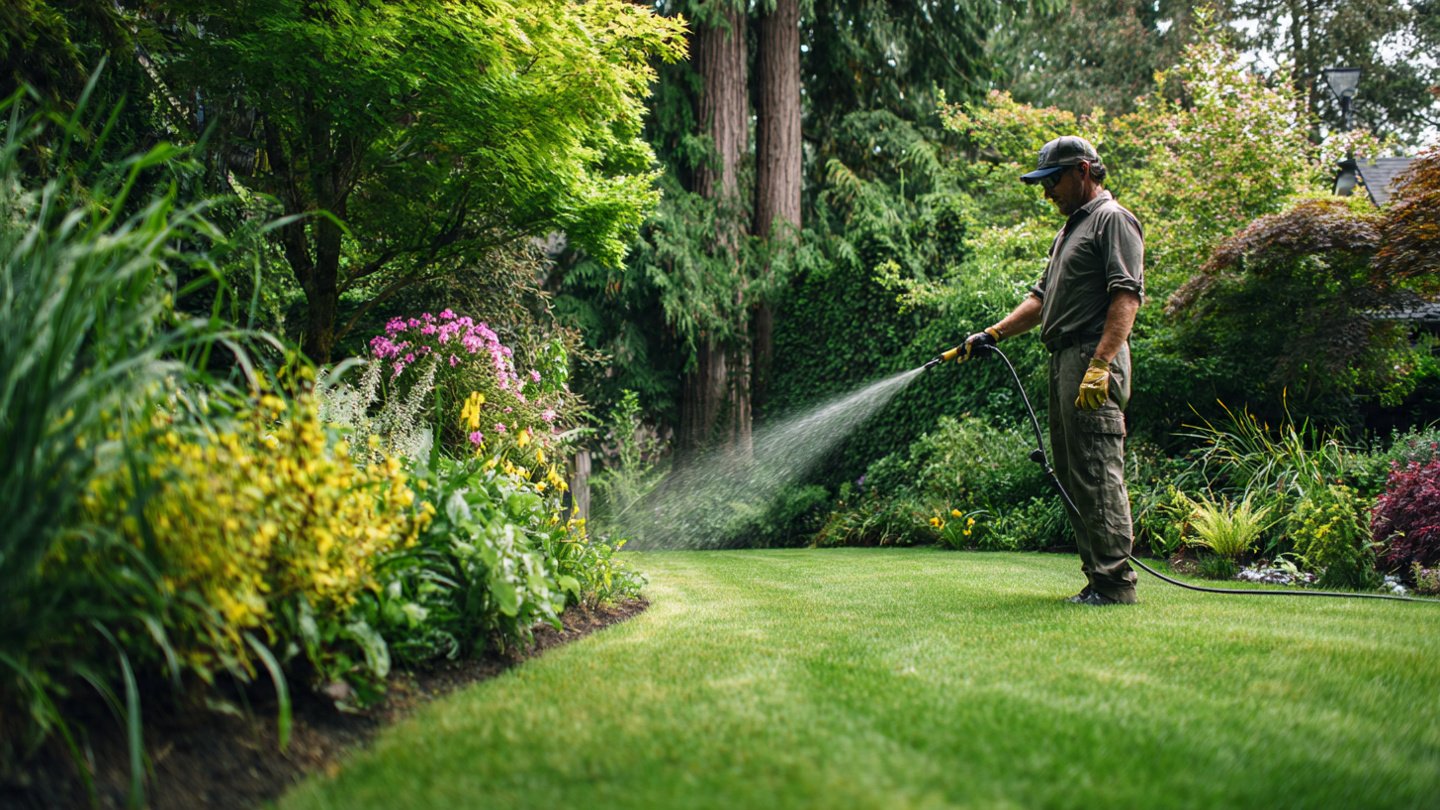
A lush, green lawn and a thriving garden don’t happen by chance—they require proper care, and fertilization plays a crucial role. Fertilizers provide essential nutrients that plants and grass need to grow strong, resist pests, and produce vibrant flowers or vegetables. However, fertilizing at the wrong time or using improper techniques can lead to poor growth, nutrient runoff, or even plant damage.
Understanding when and how to fertilize is key to achieving a healthier, more resilient lawn and garden. This guide provides home gardeners with practical strategies for proper fertilization, covering types of fertilizers, timing, and application methods for optimal results.
Understanding Plant Nutrient Needs
Plants rely on three primary nutrients—commonly referred to as macronutrients—as well as several micronutrients for overall health:
- Nitrogen (N): Promotes lush, green growth in lawns and leafy vegetables.
- Phosphorus (P): Encourages strong root development and flower or fruit formation.
- Potassium (K): Boosts overall plant health, improves disease resistance, and enhances flowering.
Additionally, plants need secondary nutrients like calcium, magnesium, and sulfur, along with micronutrients such as iron, manganese, and zinc, in smaller quantities. Fertilizing correctly ensures that plants have a balanced supply of nutrients for optimal growth.
When to Fertilize Your Lawn
The timing of lawn fertilization depends on grass type and seasonal growth patterns:
1. Cool-Season Grasses (Kentucky Bluegrass, Fescue, Ryegrass)
- Best Timing: Early spring and fall.
- Why: These grasses grow actively in cooler temperatures and can absorb nutrients efficiently.
- Tip: Use a fertilizer higher in nitrogen during spring for lush green growth and a balanced formula in fall to strengthen roots for winter.
2. Warm-Season Grasses (Bermuda, Zoysia, St. Augustine)
- Best Timing: Late spring through summer when the grass is actively growing.
- Why: Warm-season grasses thrive in heat and respond well to nitrogen-rich fertilizers.
- Tip: Avoid fertilizing in winter when these grasses are dormant, as nutrients will not be absorbed and may be wasted.
3. Slow-Release Fertilizers
- Using slow-release fertilizers ensures a steady supply of nutrients over several weeks.
- They are ideal for preventing sudden growth spurts, reducing mowing frequency, and minimizing nutrient runoff.
When to Fertilize Your Garden
Different plants have varying nutrient requirements, so garden fertilization depends on crop type and growth stage:
1. Flowering Plants
- Pre-Bloom: Apply a balanced fertilizer to stimulate strong root and leaf development.
- During Bloom: Use a high-phosphorus fertilizer to encourage vibrant flowers.
2. Vegetable Gardens
- Before Planting: Incorporate compost or a base fertilizer into the soil to prepare it for healthy growth.
- During Growth: Apply nitrogen-rich fertilizers for leafy vegetables (lettuce, spinach) and balanced fertilizers for fruiting crops (tomatoes, peppers).
- Fruit Maturation Stage: Use fertilizers higher in potassium to improve yield and fruit quality.
3. Herbs and Indoor Plants
- Fertilize lightly every 4–6 weeks during the growing season.
- Use water-soluble fertilizers for potted plants to avoid salt buildup in the soil.
Choosing the Right Fertilizer
Selecting the appropriate fertilizer is critical for successful growth. Fertilizers come in several forms:
1. Granular Fertilizers
- Spread evenly over lawns or garden beds.
- Can be slow-release or quick-release depending on plant needs.
- Best applied with a spreader for even coverage.
2. Liquid Fertilizers
- Quickly absorbed through roots and leaves.
- Ideal for container plants, potted herbs, or foliar feeding.
- Allows precise application during active growth stages.
3. Organic Fertilizers
- Examples include compost, manure, bone meal, or seaweed extracts.
- Improve soil health over time while supplying nutrients.
- Environmentally friendly and safe for edible plants.
4. Synthetic Fertilizers
- Highly concentrated nutrients for immediate results.
- Useful for correcting specific deficiencies but must be applied carefully to avoid over-fertilization.
How to Fertilize Properly
Proper fertilization involves more than just sprinkling fertilizer onto soil. Follow these steps to maximize effectiveness and minimize waste:
1. Measure the Area
- Determine the square footage of your lawn or garden bed to calculate the correct fertilizer amount.
- Over-fertilization can harm plants, while under-fertilization may produce weak growth.
2. Read Fertilizer Labels
- Fertilizers display an N-P-K ratio, indicating the percentage of nitrogen, phosphorus, and potassium.
- Choose the ratio that matches your plant’s needs and growth stage.
3. Apply Evenly
- Use a broadcast spreader for lawns to ensure uniform distribution.
- For garden beds, sprinkle granular fertilizer evenly around plants, avoiding direct contact with stems or leaves.
4. Water After Application
- Lightly water lawns or garden beds after fertilizing to help nutrients soak into the soil.
- Avoid heavy watering that may wash away fertilizer.
5. Timing of Day
- Apply fertilizers in the morning or late afternoon to reduce the risk of leaf burn from the sun.
Fertilization Techniques for Maximum Growth
1. Lawn Fertilization
- Apply quarter-strength fertilizer frequently during the growing season rather than a large dose at once.
- Use core aeration before fertilizing to improve nutrient absorption and root growth.
2. Garden Fertilization
- Side Dressing: Apply fertilizer alongside rows of vegetables or flower beds to provide nutrients directly to roots.
- Foliar Feeding: Spray diluted liquid fertilizer onto leaves for quick nutrient absorption, especially during flowering or fruiting stages.
3. Container Plants
- Use water-soluble fertilizers for potted plants every 2–4 weeks.
- Avoid excess fertilizer buildup by flushing the soil occasionally with clean water.
Common Fertilization Mistakes to Avoid
- Over-Fertilization: Can burn roots, inhibit growth, and damage the environment.
- Under-Fertilization: Leads to weak, pale plants with slow growth.
- Wrong Timing: Fertilizing dormant plants or during extreme heat can be ineffective.
- Ignoring Soil Tests: Without knowing nutrient levels, you may over-apply or miss essential nutrients.
- Skipping Watering: Fertilizer needs moisture to penetrate the soil; dry application can harm plants.
Seasonal Fertilization Tips
Spring
- Focus on nitrogen-rich fertilizers for lawns and leafy growth.
- Incorporate compost and organic matter in garden beds.
Summer
- Maintain steady feeding for flowering and fruiting plants.
- Apply fertilizers early in the day to prevent heat stress.
Fall
- Use a balanced fertilizer to strengthen roots and prepare plants for winter.
- Reduce nitrogen on lawns to prevent late-season growth that is vulnerable to frost.
Winter
- Fertilization is generally unnecessary for dormant plants or lawns.
- Potted plants may need minimal feeding indoors if actively growing.
Benefits of Proper Fertilization
- Stronger Roots: Enhances water and nutrient uptake.
- Healthier Growth: Promotes lush, green foliage, vibrant flowers, and robust fruits.
- Pest and Disease Resistance: Well-nourished plants are more resilient.
- Environmental Impact: Proper application reduces nutrient runoff and protects nearby water sources.
By fertilizing correctly, gardeners can enjoy a lush, vibrant lawn and garden with reduced effort and long-lasting results.
Conclusion
Fertilizing your lawn and garden properly is both an art and a science. Understanding plant nutrient needs, selecting the right fertilizer, applying it at the correct time, and using proper techniques are essential for stronger, healthier growth.
By following the guidelines in this comprehensive guide, gardeners can:
- Maximize the health and appearance of lawns and gardens.
- Enjoy continuous growth, vibrant flowers, and bountiful vegetable harvests.
- Reduce the risk of pest damage and plant diseases.
- Protect the environment by avoiding nutrient runoff and waste.
Whether you are a seasoned gardener or a beginner, mastering fertilization ensures your home landscape flourishes beautifully year-round. With the right knowledge and consistent care, your lawn and garden will thrive naturally, providing a healthy, lush, and vibrant outdoor space for years to come.