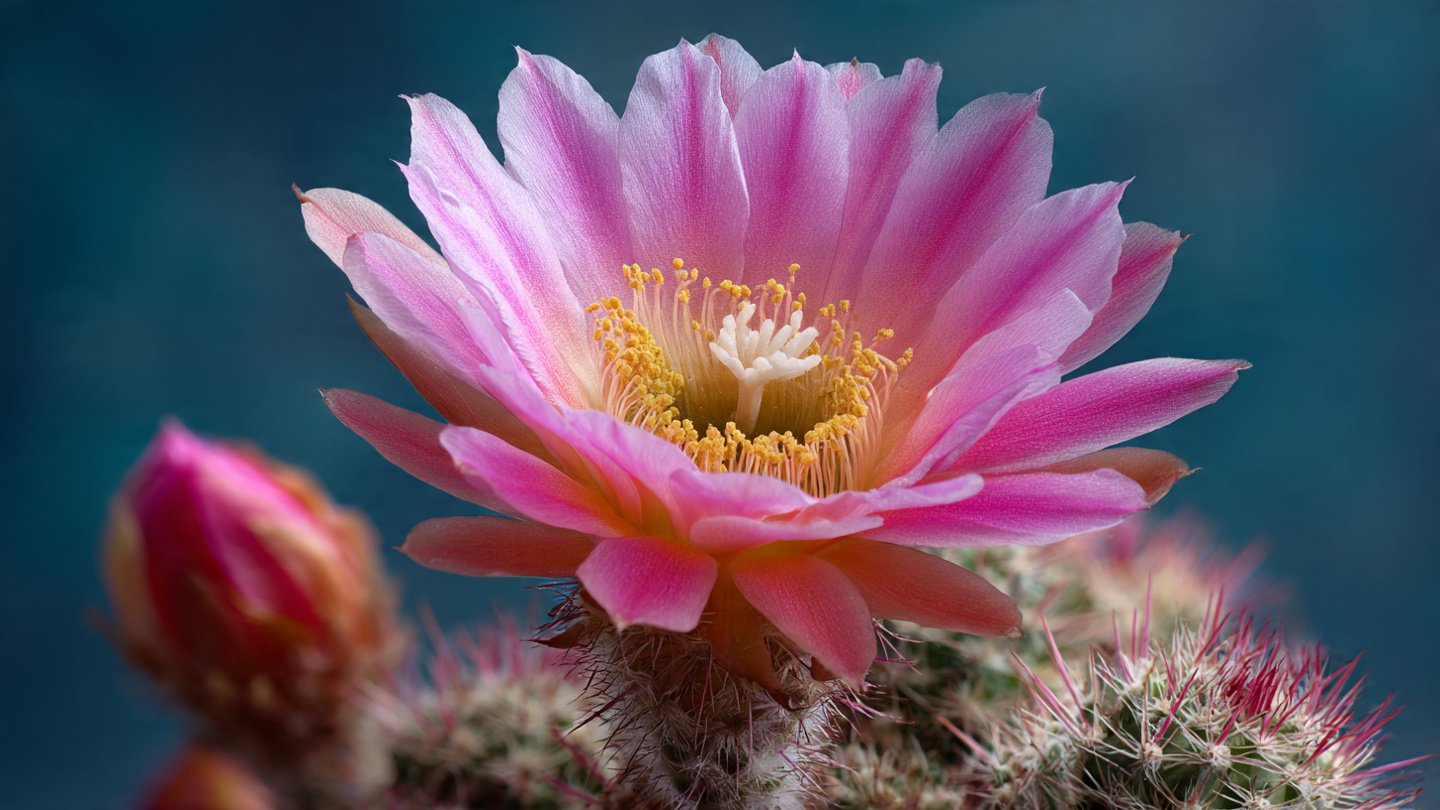
Cacti are admired for their sculptural forms, resilience, and low-maintenance nature. Yet for many plant lovers, there’s one lingering frustration: why won’t my cactus bloom? While cactus flowers are among the most striking and exotic in the plant world, many growers never experience them at all. The reason isn’t bad luck—it’s usually a missing step in care.
The hidden trick to making your cactus bloom isn’t fertilizer, pruning, or even sunlight alone. It’s replicating the cactus’s natural seasonal rhythm, especially its dormant rest period. Once you understand this overlooked principle and combine it with proper care, your cactus is far more likely to reward you with spectacular blooms.
Why Cactus Blooms Are So Rare Indoors
In nature, cacti bloom in response to environmental signals such as:
- Seasonal temperature changes
- Reduced water availability
- Length of daylight
- Stress followed by recovery
Indoor conditions often remain constant year-round, which confuses the cactus. Without a clear signal that seasons are changing, the plant focuses on survival and slow growth rather than reproduction (flowering).
To make your cactus bloom, you must intentionally create those signals.
The Hidden Trick: Respecting Dormancy
What Is Dormancy?
Dormancy is a natural rest phase when a cactus slows growth to conserve energy. This usually happens in late fall and winter. During dormancy, the cactus stores energy that later fuels flowering.
Without dormancy, most cacti will never bloom.
Why Most People Miss This Step
Many cactus owners:
- Keep watering year-round
- Maintain warm indoor temperatures
- Provide constant light
- Continue fertilizing
These actions prevent the cactus from resting, which blocks bloom formation.
How to Trigger Dormancy the Right Way
1. Reduce Watering Dramatically
Water is the biggest signal that tells a cactus to grow—or to rest.
- Stop regular watering in late fall
- Water only once every 4–6 weeks
- Soil should stay mostly dry
This mimics desert drought conditions and signals the cactus to enter dormancy.
2. Lower the Temperature Slightly
Cacti don’t need cold temperatures, but they do need cooler nights.
Ideal dormancy temperatures:
- Day: 60–70°F (15–21°C)
- Night: 45–55°F (7–13°C)
A windowsill, enclosed balcony, or cool room works well. Avoid frost.
3. Provide Bright but Indirect Light
During dormancy:
- Keep the cactus in bright light
- Avoid harsh, direct midday sun
- Shorter daylight hours are beneficial
Natural seasonal light changes help trigger blooming hormones.
4. Stop Fertilizing Completely
Fertilizer encourages growth, not flowering.
- Stop feeding in late summer
- Resume fertilizing only after new growth appears in spring
This pause allows energy to redirect toward bloom development.
Waking the Cactus Up: The Bloom Trigger Phase
After 6–10 weeks of dormancy, it’s time to gently reintroduce growth conditions.
Step-by-Step Wake-Up Process
- Increase watering gradually
- Move to brighter light
- Resume light fertilizing
- Maintain warm daytime temperatures
Within weeks, many cacti begin forming flower buds—small, rounded bumps that differ from spines or new pads.
The Role of Sunlight in Blooming
Sunlight is essential, but too much or too little can prevent flowers.
Best Light Conditions
- 6–8 hours of bright light daily
- Morning sun is ideal
- Avoid intense afternoon sun indoors
South- or east-facing windows work best for most species.
The Importance of Stress (Yes, Stress!)
In nature, cacti bloom after stress followed by relief.
Controlled stress includes:
- Drought periods
- Temperature variation
- Root restriction
This stress signals the plant that survival may be threatened, triggering reproduction.
Over-pampering is one of the biggest reasons cacti don’t bloom.
Pot Size: A Surprisingly Important Factor
Cacti bloom better when slightly root-bound.
- Oversized pots encourage root growth, not flowers
- Use a pot just 1–2 inches wider than the root ball
- Ensure excellent drainage
When roots feel constrained, the plant shifts energy toward blooming.
Soil Mix Matters More Than You Think
Heavy or moisture-retaining soil can block flowering.
Ideal Bloom-Friendly Soil Mix
- Fast-draining cactus soil
- Added sand, pumice, or perlite
- No compacted garden soil
Roots need oxygen as much as water.
Fertilizer: Less Is More
Use fertilizer only during the active growing season.
Best Fertilizer for Blooming
- Low nitrogen (N)
- Higher phosphorus (P)
- Example: 5-10-10 or cactus-specific fertilizer
Fertilize once a month in spring and summer only.
Age Matters: Some Cacti Need Time
Many cacti won’t bloom until maturity.
Approximate blooming ages:
- Christmas cactus: 2–3 years
- Echinopsis: 3–5 years
- Barrel cactus: 6–10 years
Patience is essential. Healthy growth today leads to flowers tomorrow.
Common Mistakes That Prevent Cactus Blooms
- Watering on a schedule instead of soil dryness
- Keeping the cactus warm year-round
- Fertilizing too frequently
- Using decorative pots without drainage
- Rotating plants constantly during bud formation
Once buds appear, do not move the cactus, or it may drop them.
Species Known for Reliable Blooms
If you want guaranteed results, try these:
- Christmas cactus (Schlumbergera)
- Easter cactus (Hatiora)
- Moon cactus (Gymnocalycium)
- Echinopsis
- Mammillaria
These respond well to dormancy and indoor care.
How Long Do Cactus Flowers Last?
Bloom duration varies:
- Some last one night (Echinopsis)
- Others last days or weeks (Christmas cactus)
Even short blooms are signs of excellent care.
Final Thoughts
The hidden trick to making your cactus bloom isn’t a secret fertilizer or rare technique—it’s respecting its natural cycle. By allowing a proper dormant period with reduced watering, cooler temperatures, and no feeding, you give your cactus the signal it needs to bloom.
Once you stop treating your cactus like a typical houseplant and start treating it like a desert survivor, the transformation is remarkable. With patience, restraint, and seasonal awareness, your cactus can go from silent and spiny to spectacularly floral.
Sometimes, the most beautiful results come not from doing more—but from knowing when to do less.