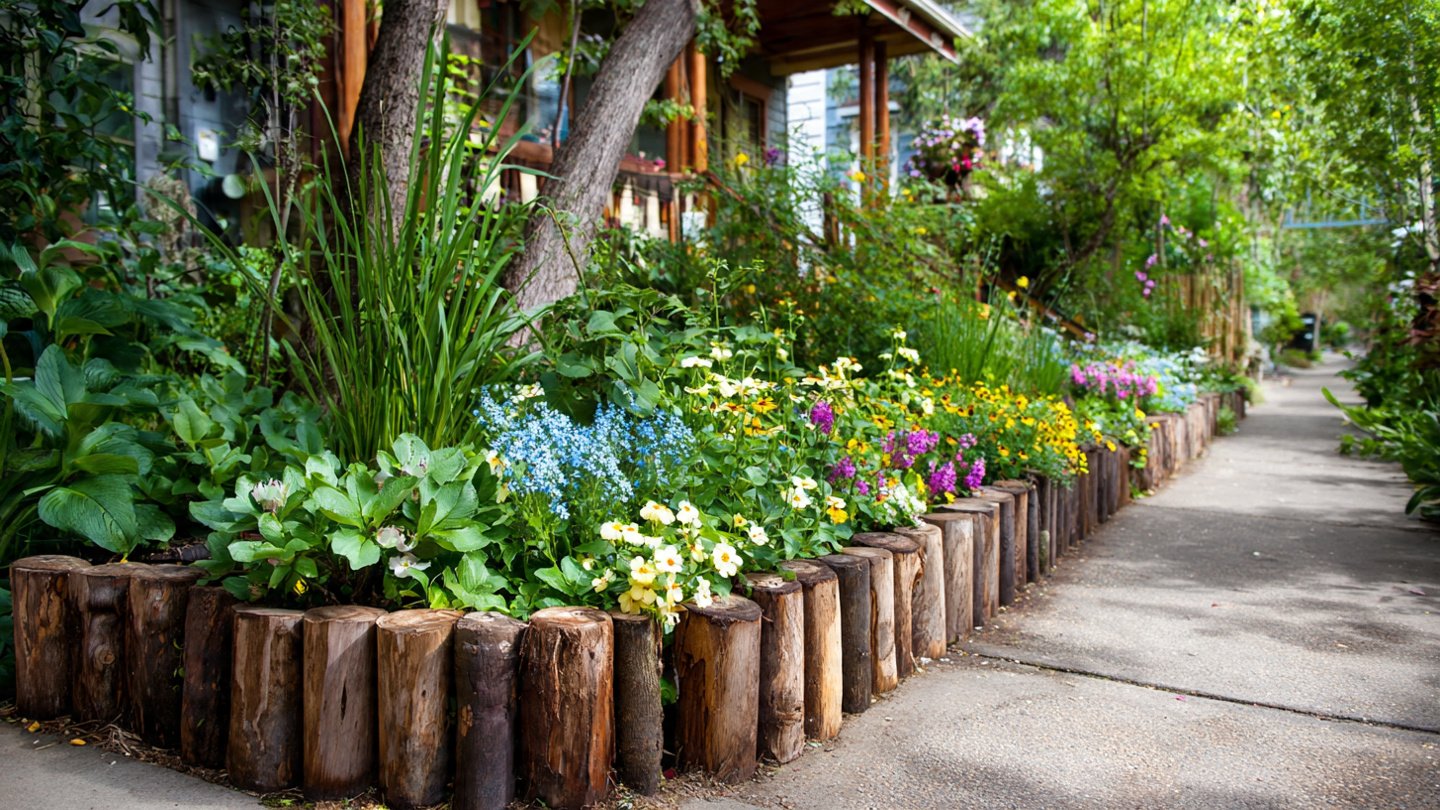
A well-defined garden edge can transform the look of your outdoor space, giving it a polished, organized, and visually appealing appearance. Garden edging not only enhances aesthetics but also serves practical purposes: it keeps soil and mulch contained, prevents grass from encroaching into flower beds, and defines pathways. The best part? You don’t need to spend a fortune to create beautiful edges. Whether you have a modest budget or a generous one, there are plenty of options to suit your needs. Here’s a guide to garden edging ideas that will look great without breaking the bank.
1. Natural Stone Edging
Budget: Medium to High
Why It Works: Natural stone provides a timeless and elegant look that blends seamlessly with any garden style. Stones can be stacked, laid flat, or arranged in curves to define flower beds, pathways, or borders.
- Pros: Durable, low maintenance, adds value to your garden.
- Cons: Higher upfront cost, requires careful placement.
Tips:
- Use local stones to save money.
- Mix large and small stones for a natural, informal look.
- Incorporate moss or groundcover between stones for a lush, organic effect.
Natural stone edging is perfect for perennial beds, rock gardens, and pathways. It creates a strong visual border that lasts for years with minimal upkeep.
2. Brick or Paver Edging
Budget: Medium
Why It Works: Brick or paver edging is classic and versatile. Red bricks provide a traditional cottage-garden feel, while concrete pavers can be arranged in modern geometric patterns.
- Pros: Long-lasting, easy to install, can create curved or straight edges.
- Cons: Requires leveling and a stable base to prevent shifting.
Tips:
- Lay bricks at an angle or half-buried for a softer look.
- Use contrasting colors for a striking effect.
- Pair with mulch or gravel to highlight the edge.
Brick or paver edging works well along flower beds, vegetable gardens, and driveways. It offers a professional look without needing a landscaping crew.
3. Wooden Edging
Budget: Low to Medium
Why It Works: Wood is warm, natural, and easy to work with. Wooden garden edging can range from simple logs or planks to decorative picket-style borders.
- Pros: Affordable, easy to install, can be replaced as needed.
- Cons: May rot over time unless treated; requires occasional maintenance.
Tips:
- Choose rot-resistant woods like cedar, redwood, or treated pine.
- Use short stakes to secure planks or logs firmly in place.
- Stain or paint wood to match your garden style.
Wooden edging is ideal for informal gardens, vegetable beds, or container garden borders. It adds a rustic charm and can be customized easily.
4. Metal Edging
Budget: Medium to High
Why It Works: Metal edging, often made from steel, aluminum, or corten, provides a sleek, modern look. Its thin profile allows clean lines and minimal intrusion into garden beds.
- Pros: Extremely durable, flexible for curves, low maintenance.
- Cons: Higher upfront cost; may require heavy-duty installation.
Tips:
- Choose corten steel for a natural rusted patina that blends with plants.
- Ensure proper anchoring to prevent shifting.
- Pair with gravel or mulch for a minimalist, contemporary feel.
Metal edging is perfect for modern landscapes, pathways, and raised beds. It creates crisp lines and a sophisticated aesthetic.
5. Plastic or Rubber Edging
Budget: Low
Why It Works: Plastic or recycled rubber edging is budget-friendly, flexible, and easy to install. Available in various colors and styles, it works well for DIY projects.
- Pros: Affordable, easy to cut and shape, lightweight.
- Cons: Less durable than stone or metal; may warp under extreme heat.
Tips:
- Use flexible strips for curves or straight sections.
- Anchor with spikes for stability.
- Combine with mulch or gravel for a clean appearance.
Plastic or rubber edging is ideal for small gardens, flower beds, and vegetable patches. It’s a practical choice for renters or those seeking a temporary solution.
6. Living Edging
Budget: Low to Medium
Why It Works: Instead of hard materials, consider using plants as your garden edge. Low-growing groundcovers, ornamental grasses, or small shrubs create soft, natural borders.
- Pros: Eco-friendly, self-maintaining once established, enhances garden biodiversity.
- Cons: Requires regular trimming; slower to establish.
Examples:
- Creeping Thyme: Fragrant, hardy, and tolerates foot traffic.
- Boxwood: Compact evergreen shrub perfect for formal edges.
- Lavender: Adds color, fragrance, and attracts pollinators.
Living edging works beautifully in cottage gardens, herb gardens, and along pathways. It’s a sustainable choice that grows with your garden.
7. Mulch, Gravel, or Pebble Borders
Budget: Low
Why It Works: Using mulch, gravel, or pebbles to define garden edges is an inexpensive and flexible solution. These materials create contrast with lawn or planting beds while controlling weeds.
- Pros: Affordable, easy to install, low maintenance.
- Cons: May need occasional replenishing; edges can spread over time.
Tips:
- Use rubber or plastic strips to contain loose materials.
- Mix gravel with larger stones for texture.
- Choose contrasting colors to highlight paths or beds.
This method is perfect for low-maintenance gardens, xeriscapes, or modern minimalist designs.
8. Decorative Concrete or Stone Shapes
Budget: Medium to High
Why It Works: Concrete or stone shapes like scalloped edging, garden curbs, or decorative blocks provide a structured, eye-catching edge.
- Pros: Durable, customizable, adds visual interest.
- Cons: Installation may require skill or professional help.
Tips:
- Paint or stain concrete for added color.
- Arrange shapes in creative patterns for visual appeal.
- Combine with plants or mulch for a balanced look.
Decorative concrete edging works well for formal gardens, flower beds, and patios, creating a polished, finished appearance.
9. Upcycled or DIY Edging
Budget: Very Low
Why It Works: Repurposing old materials is eco-friendly and can result in unique, creative borders. Examples include old bricks, wine bottles, broken tiles, or logs.
- Pros: Extremely affordable, sustainable, customizable.
- Cons: May not be as durable as professional materials; requires creativity.
Tips:
- Half-bury wine bottles for a fun, quirky look.
- Stack broken tiles for a mosaic effect.
- Use recycled wood or pallets for rustic charm.
DIY edging is perfect for gardeners who love hands-on projects and want to personalize their space on a budget.
Tips for Choosing the Right Garden Edging
- Match Your Garden Style: Formal gardens suit stone, brick, or metal edging, while informal gardens work well with wood, living borders, or DIY options.
- Consider Maintenance: Some materials like metal and stone require minimal upkeep, while living or wooden edging may need periodic attention.
- Think About Longevity: Budget-friendly materials like plastic or gravel may need replacement sooner than stone or metal.
- Blend Function and Aesthetics: Ensure your edging keeps soil and mulch contained while complementing your garden design.
- Plan for Curves or Straight Lines: Flexible materials like metal, plastic, or living edges are ideal for curves, while stone, brick, and concrete are better for straight borders.
Conclusion
Garden edging is a simple yet powerful way to elevate your outdoor space. Whether you are working with a modest budget or ready to invest in premium materials, there are plenty of options to suit your needs. Natural stone and metal offer durability and elegance, while wood, plastic, and gravel provide affordability and flexibility. Living edges and DIY projects allow for creativity and sustainability.
Ultimately, the best garden edging is one that balances aesthetics, function, and budget. With the right choice, your garden will look tidy, organized, and inviting year-round. So whatever your budget, these garden edging ideas prove that you don’t need to compromise on style or practicality—your garden can always look its best.