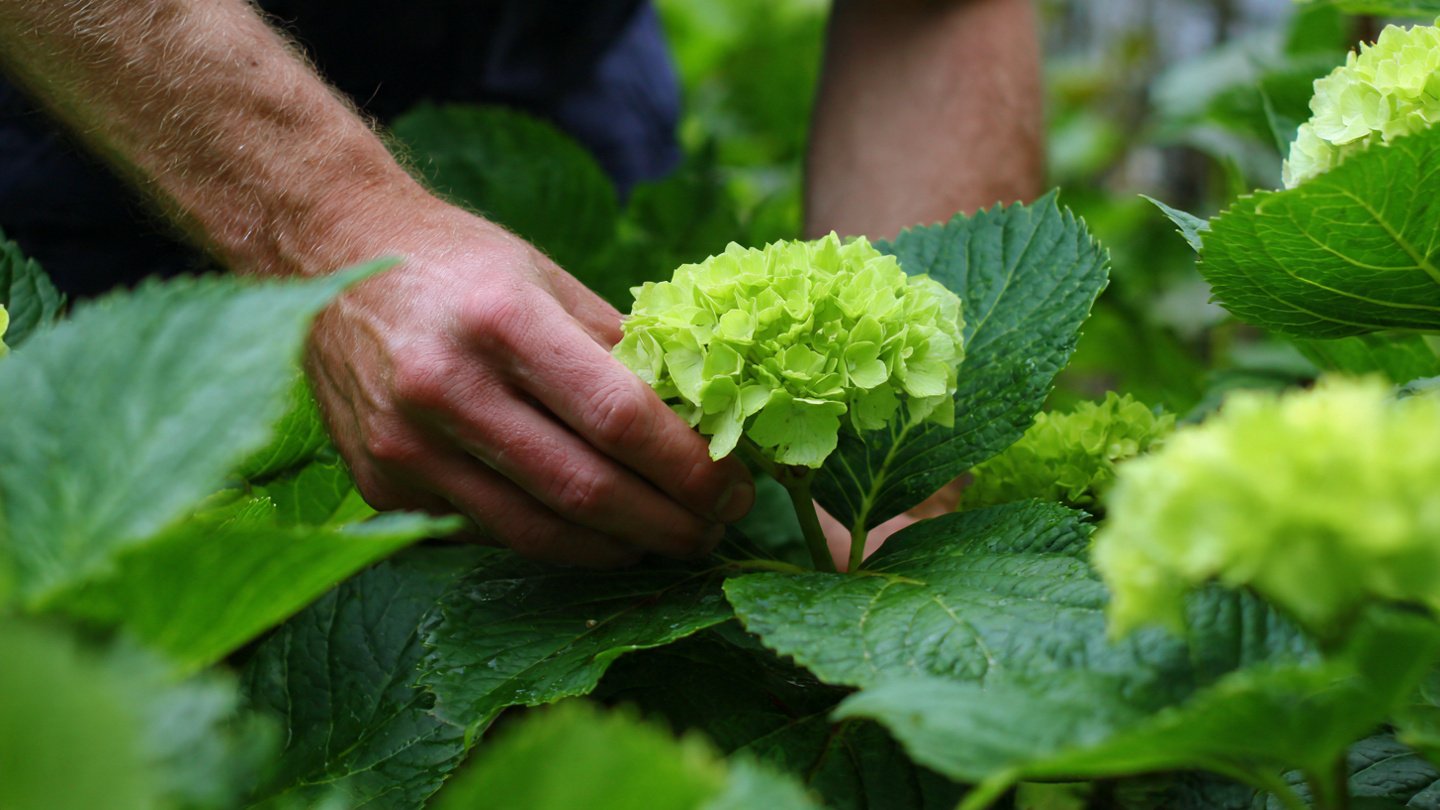
Hydrangeas are some of the most beloved flowering shrubs in gardens worldwide, celebrated for their lush foliage, dramatic blossoms, and long flowering season. Yet, many gardeners struggle to get those big, vibrant blooms that make hydrangeas truly spectacular. One key factor that is often overlooked is proper pruning—especially techniques that focus not just on branches but also on leaves.
Pruning hydrangea leaves strategically can significantly influence bloom size, flower health, and overall plant vigor. In this guide, we’ll explore the best techniques, timing, and tips to help you enjoy bigger, more beautiful hydrangea blooms every season.
Understanding Hydrangea Growth and Bloom Patterns
Before diving into pruning techniques, it’s important to understand how hydrangeas grow and bloom. Hydrangeas have different types, and pruning strategies vary depending on the variety:
- Hydrangea macrophylla (Bigleaf Hydrangea): Blooms on old wood (last year’s stems).
- Hydrangea paniculata (Panicle Hydrangea): Blooms on new wood (current year’s growth).
- Hydrangea arborescens (Smooth Hydrangea): Blooms on new wood.
- Hydrangea quercifolia (Oakleaf Hydrangea): Blooms on old wood.
Knowing your hydrangea type is crucial because pruning at the wrong time or cutting the wrong leaves can reduce blooms instead of enhancing them.
Why Pruning Leaves Matters
Many gardeners focus only on cutting branches or spent flowers, but leaves play a crucial role in bloom size. Leaves are the plant’s energy factories—they perform photosynthesis, producing sugars and nutrients that feed the developing flower buds.
Here’s why leaf pruning helps:
- Removes damaged or diseased foliage: Prevents infections and encourages healthier growth.
- Improves light penetration: Allows more sunlight to reach interior buds, stimulating bigger flowers.
- Enhances airflow: Reduces humidity and fungal problems, which can affect flower development.
- Redirects energy to blooms: Removing excess leaves helps the plant channel nutrients directly to flowers.
In short, strategic leaf pruning can maximize your hydrangea’s energy for producing larger, vibrant blooms.
Timing Is Everything
When you prune leaves will affect bloom size dramatically:
For Hydrangeas That Bloom on Old Wood (Bigleaf & Oakleaf)
- Best time: Immediately after flowering ends (late summer).
- Why: Pruning too early can remove buds that will produce next year’s blooms.
- Technique: Remove only damaged, yellowing, or weak leaves, and trim back excessive foliage that blocks light.
For Hydrangeas That Bloom on New Wood (Panicle & Smooth)
- Best time: Late winter to early spring, before new growth starts.
- Why: These plants form flowers on new stems, so pruning leaves in winter doesn’t reduce bloom potential.
- Technique: Cut back old, woody stems, and remove weak or crowded leaves at the base to stimulate strong shoots.
Techniques to Prune Hydrangea Leaves for Bigger Blooms
Here are practical leaf-pruning techniques used by professional gardeners:
1. Remove Dead, Damaged, or Diseased Leaves
- Inspect your hydrangea thoroughly.
- Cut away brown, yellow, or wilting leaves with sharp, sterilized shears.
- Focus on leaves that are blocking light to flower buds.
This step improves plant health and directs energy to strong, productive leaves and flower stems.
2. Thin Out Crowded Foliage
Hydrangeas can become dense, with overlapping leaves that shade inner buds. To encourage bigger blooms:
- Identify areas where leaves are crowded.
- Trim selectively, leaving 50–60% of the interior foliage intact.
- Ensure air can flow through branches—this reduces fungal problems like powdery mildew.
Thinning leaves also ensures more sunlight reaches developing buds, which is key for larger flowers.
3. Pinch Back New Growth (Optional for Bigleaf & Panicle Types)
- During the growing season, pinch the tips of new leaves.
- This encourages the plant to produce more lateral stems, which can bear additional flowers.
- Use clean fingers or sharp pruning tools to remove just the tip of the stem, avoiding major cuts.
Tip: Only pinch healthy leaves; avoid stressed or yellowing foliage.
4. Remove Leaves Close to the Soil Line
- Lower leaves can draw energy away from flower buds.
- Carefully remove older leaves near the base, especially those touching mulch or soil.
- This improves soil aeration and reduces risk of soil-borne diseases.
5. Cut Leaves That Block Buds
- Step back and observe the plant from different angles.
- Identify leaves that shade or crowd flower buds.
- Trim these selectively to expose buds to sunlight, boosting bloom size and color intensity.
Tools You’ll Need
For safe and effective leaf pruning:
- Sharp pruning shears: For precise cuts and clean removal.
- Gloves: Protect hands from rough stems and potential irritants.
- Sterilizing solution: Use rubbing alcohol or diluted bleach to sterilize tools and prevent disease spread.
- Step stool (if needed): For taller hydrangeas, ensure safe access to all foliage.
Post-Pruning Care
Pruning is just the first step—proper care afterward ensures bigger blooms:
- Watering: Hydrangeas need consistent moisture, especially after pruning. Keep soil evenly damp but not waterlogged.
- Mulching: Apply a 2–3 inch layer of organic mulch around the base to retain moisture and regulate soil temperature.
- Fertilizing: Use a bloom-boosting fertilizer with a higher phosphorus content after pruning to stimulate flower development.
- Monitoring: Check for pests like aphids, spider mites, or slugs, which can target fresh growth after pruning.
Common Mistakes to Avoid
- Pruning at the wrong time: Cutting old-wood hydrangeas in winter can remove next year’s buds.
- Over-pruning: Removing too many leaves reduces the plant’s energy and can result in smaller blooms or fewer flowers.
- Ignoring diseased leaves: Leaving infected foliage can spread disease to healthy leaves and flowers.
- Using dull or unclean tools: Can tear leaves, stress the plant, or transmit pathogens.
Additional Tips for Bigger Hydrangea Blooms
- Soil pH adjustment: For Bigleaf hydrangeas, acidic soil produces blue blooms, and alkaline soil produces pink. Proper pH can enhance both color and size.
- Deadheading spent flowers: Cutting old blooms encourages the plant to redirect energy to developing flowers.
- Sunlight exposure: Most hydrangeas prefer morning sun and afternoon shade. Adequate light helps leaves produce the energy needed for large blooms.
- Consistent watering: Hydrangeas are thirsty plants. Consistent moisture supports photosynthesis in leaves and ensures larger, healthier flowers.
Final Thoughts
Pruning hydrangea leaves is more than an aesthetic choice—it’s a strategic gardening technique that can significantly enhance bloom size and overall plant health. By focusing on removing damaged leaves, thinning crowded foliage, and carefully exposing buds to light, gardeners can maximize the plant’s energy for producing bigger, more vibrant flowers.
The key takeaways:
- Understand your hydrangea type to determine the best pruning time.
- Prioritize healthy leaf removal while retaining enough foliage for photosynthesis.
- Thin and trim strategically to improve airflow and light exposure.
- Provide proper post-pruning care with water, mulch, and fertilizer.
- Avoid common mistakes like over-pruning or pruning at the wrong time.
With these techniques, your hydrangeas will not only look neater and healthier but will also reward you with spectacular, large blooms throughout the season. Whether in garden beds, borders, or containers, strategically pruned hydrangeas become the star of any summer garden.