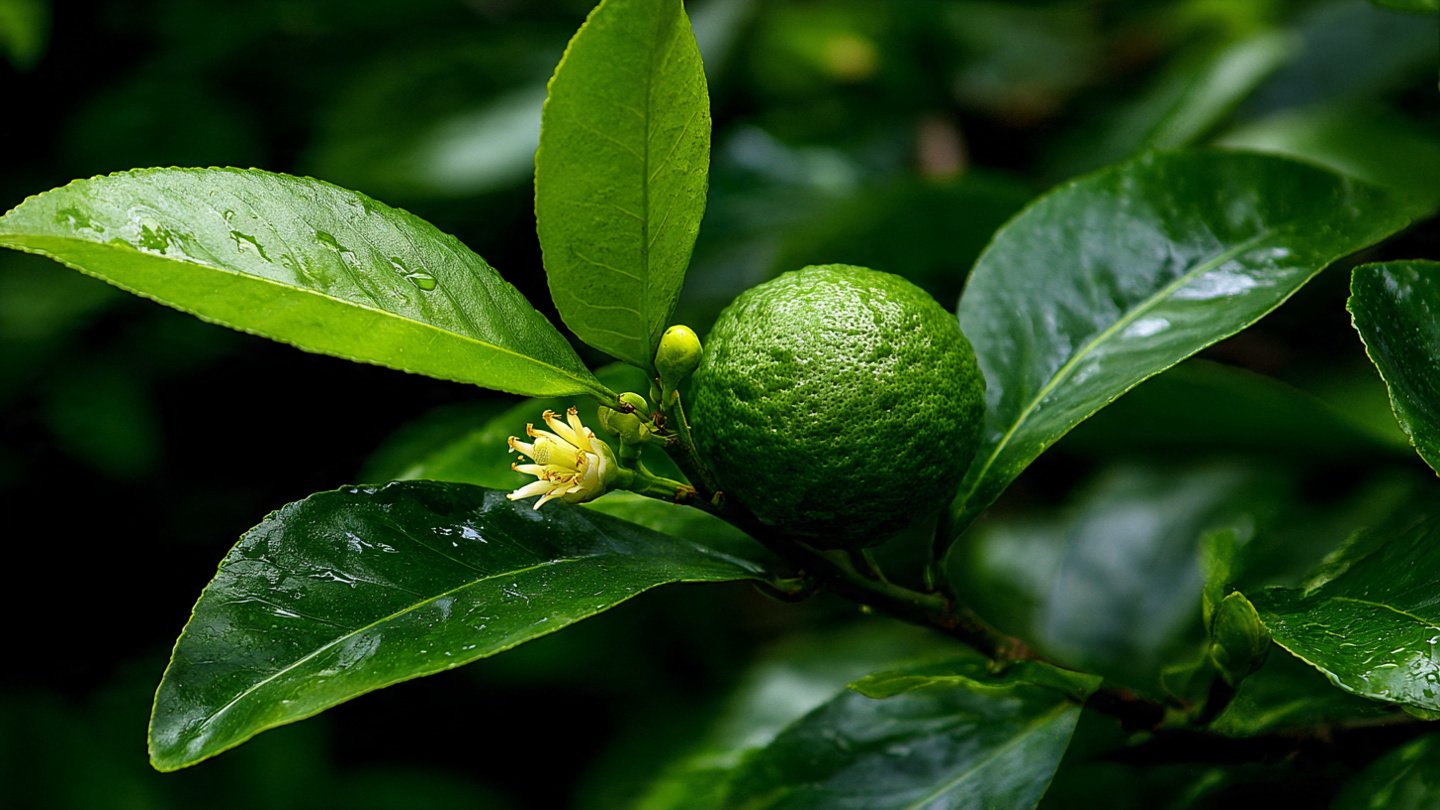
Imagine walking through a garden and brushing your hand against a seemingly ordinary leaf—only to be greeted by a refreshing burst of lemony fragrance. This fascinating phenomenon occurs in certain plants, from citron-scented herbs like lemon balm to ornamental lemon-scented geraniums, and even some tropical houseplants. But what exactly causes a leaf to release a lemon scent when rubbed, and why do plants do this?
In this guide, we explore the mystery, science, and benefits behind lemon-scented leaves, uncovering the secrets hidden in these aromatic plants.
The Science of Scented Leaves
The lemon aroma from certain leaves comes from essential oils, complex compounds stored within specialized cells called glandular trichomes or oil glands. When you rub or crush a leaf:
- Mechanical action breaks cell walls: Rubbing ruptures the plant’s tiny oil-containing cells.
- Essential oils are released: These oils contain volatile compounds, including citral, limonene, and linalool, which produce the recognizable citrus scent.
- Scent disperses: The fragrance reaches your nose as the volatile molecules evaporate into the air.
Interestingly, the strength of the scent can vary depending on factors like leaf age, time of day, growing conditions, and even season.
Why Do Plants Have Lemon-Scented Leaves?
While the aroma is delightful to humans, it serves important purposes for the plants themselves:
1. Protection Against Herbivores
The lemon scent often acts as a natural repellent. The essential oils contain compounds that can:
- Deter insects from feeding on leaves
- Discourage larger herbivores from grazing
This chemical defense helps the plant survive and thrive.
2. Protection Against Pathogens
Some compounds in lemon-scented leaves have antimicrobial properties:
- They can inhibit fungal growth
- They reduce bacterial infections
This is particularly true for herbs like lemon balm and lemon thyme, which have been used for centuries in traditional medicine for their antiseptic qualities.
3. Attracting Pollinators
While leaves themselves aren’t typically pollinated, fragrant plants often use scent to signal flowers to pollinators. In aromatic plants, a lemon scent may attract bees, butterflies, and other beneficial insects to the plant, indirectly aiding reproduction.
Popular Plants With Lemon-Scented Leaves
Several plants are renowned for their lemony aroma when rubbed:
1. Lemon Balm (Melissa officinalis)
- A member of the mint family
- Leaves release a strong lemon scent when crushed
- Widely used in teas, aromatherapy, and culinary dishes
2. Lemon-Scented Geranium (Pelargonium citrosum or Pelargonium crispum)
- Commonly called citronella or lemon geranium
- Popular as a houseplant or patio plant
- Leaves emit a citrus scent when touched or brushed
3. Lemon Verbena (Aloysia citrodora)
- Native to South America
- Leaves are long, narrow, and intensely aromatic
- Often used in teas, potpourri, and essential oil production
4. Lemon Thyme (Thymus x citriodorus)
- Culinary herb with tiny, fragrant leaves
- Releases a lemony fragrance when rubbed, perfect for seasoning dishes
5. Other Scented Herbs
- Lemon mint
- Lemon basil
- Lemon-scented eucalyptus
Each plant stores essential oils differently, but the common factor is aromatic compounds that are volatile and easily released through mechanical action.
How the Scent Is Released Mechanically
When a leaf is rubbed, several microscopic events occur:
- Crushing of glandular trichomes: Tiny hair-like structures contain the essential oils.
- Oxidation: Some compounds react with oxygen, slightly altering the aroma and sometimes making it more intense.
- Evaporation: Volatile oils are released into the air, producing the familiar lemon fragrance.
The intensity of the scent depends on:
- Leaf maturity: Younger leaves may have fewer oils; older leaves contain more.
- Time of day: Essential oil concentration can peak at certain times, often in the morning.
- Environmental conditions: Sunlight, water availability, and temperature affect oil production.
Benefits of Lemon-Scented Leaves
Beyond their delightful fragrance, lemon-scented leaves offer a range of benefits for gardeners, cooks, and wellness enthusiasts.
1. Aromatherapy and Stress Relief
The fresh, citrusy aroma of lemon-scented leaves has calming and uplifting properties. Rubbing the leaves or brewing a tea can help:
- Reduce stress and anxiety
- Improve mental clarity
- Elevate mood naturally
2. Culinary Uses
Many lemon-scented leaves are edible:
- Lemon balm tea is soothing and refreshing
- Lemon thyme and lemon basil enhance savory dishes
- Lemon verbena adds flavor to desserts and beverages
3. Natural Pest Repellent
Some lemon-scented plants, such as citronella geraniums, help repel mosquitoes and insects when planted around patios or rubbed on the skin.
4. Home Décor and Fragrance
- Leaves can be used in potpourri, sachets, and bouquets
- Dried or fresh, they fill rooms with a natural, uplifting scent
How to Grow and Care for Lemon-Scented Plants
If you want to enjoy the lemon scent in your garden or home, here are some tips:
Light Requirements
- Most lemon-scented herbs and shrubs prefer full sun to partial shade
- Indoors, place plants near bright, south-facing windows
Soil and Watering
- Well-draining soil is essential to prevent root rot
- Keep soil slightly moist, avoiding overwatering
- Fertilize lightly with organic compost or balanced fertilizer during the growing season
Pruning and Harvesting
- Regularly trim leaves to encourage fresh growth and stronger fragrance
- Rubbing leaves stimulates essential oil release, but harvesting for teas or potpourri works well too
- Avoid cutting more than one-third of the plant at a time to prevent stress
Winter Care
- Some plants, like lemon verbena, are frost-sensitive
- Bring potted plants indoors or protect outdoor plants with mulch during cold months
Fun Experiments With Lemon-Scented Leaves
Gardeners can explore the fascinating properties of these aromatic leaves in simple experiments:
- Scent Release Test
Rub different leaves and compare the intensity of the fragrance. Note which variety has the strongest aroma. - Culinary Experiment
Add crushed leaves to tea, desserts, or savory dishes to explore their flavor and aroma impact. - Pest Repellent Study
Place lemon-scented leaves near plants prone to insect attacks and observe changes in insect behavior.
These experiments are enjoyable ways to connect with plants and learn about their chemistry.
Why Humans Are Drawn to Lemon-Scented Leaves
Humans are naturally drawn to citrus scents, which evoke freshness, cleanliness, and energy. The lemon aroma triggers olfactory receptors linked to alertness and mood, making lemon-scented plants popular in:
- Gardens and patios
- Indoor houseplant collections
- Aromatherapy products
- Culinary applications
The combination of visual appeal and fragrance makes these plants both beautiful and functional.
Final Thoughts
The seemingly simple act of rubbing a leaf and releasing a lemon scent is a fascinating glimpse into plant chemistry, evolution, and adaptation. Plants produce essential oils not for human enjoyment, but as a sophisticated defense mechanism, pollinator attractant, and survival strategy. For gardeners and enthusiasts, this natural phenomenon offers practical, aesthetic, and sensory benefits.
By understanding the science behind lemon-scented leaves, you can:
- Choose the right aromatic plants for your garden
- Cultivate healthier, more fragrant specimens
- Use their leaves for culinary, medicinal, or aromatic purposes
Next time you brush against a lemon-scented leaf, take a moment to appreciate the hidden world of chemistry and strategy that allows plants to thrive while delighting our senses.