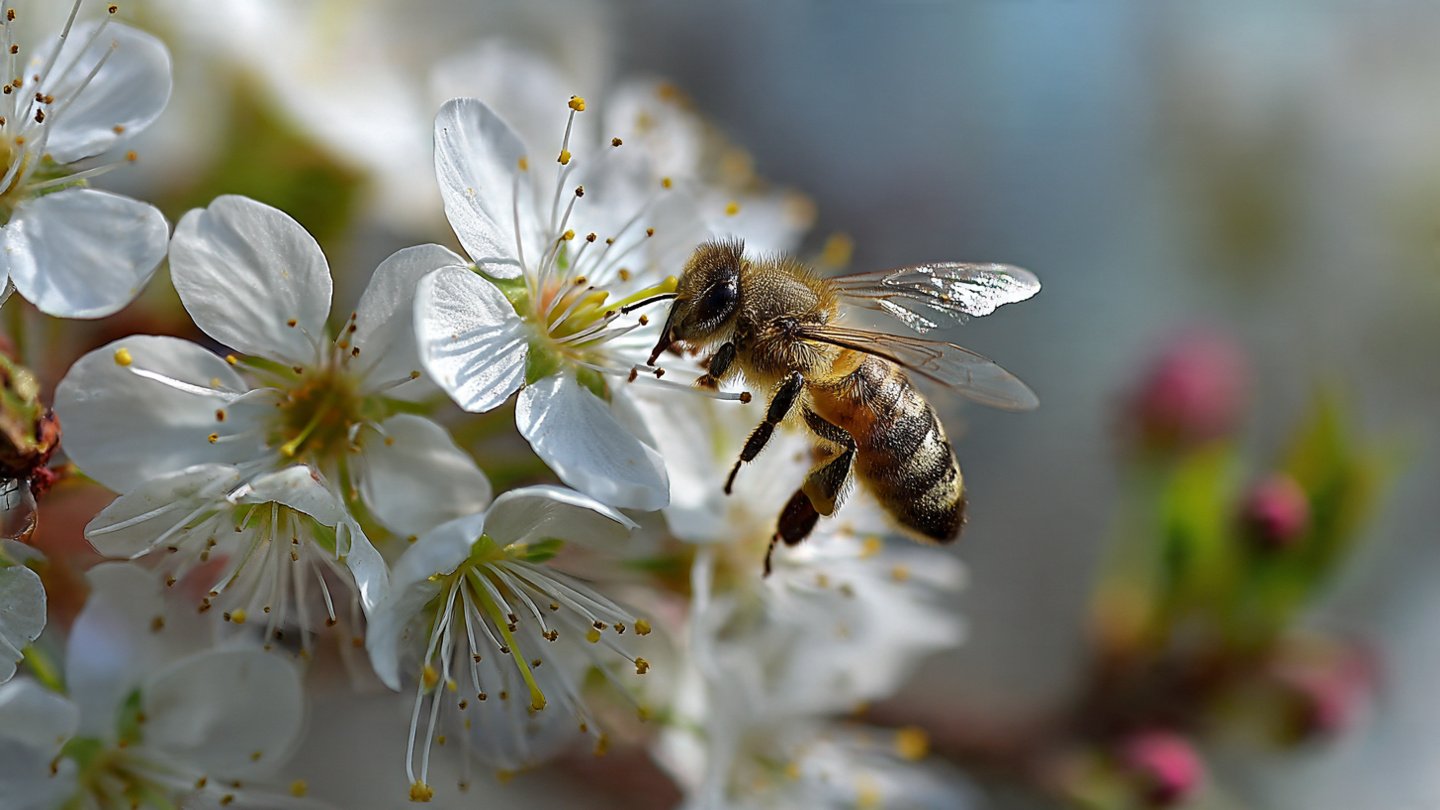
Fruit trees are the pride of many home gardens and orchards, providing a bounty of apples, pears, peaches, and other delicious fruits. But nothing is more frustrating than seeing blossoms fall without forming fruit. Poor pollination is often the silent culprit behind a lackluster harvest. Understanding the causes of poor pollination can be the key to transforming your garden into a thriving orchard. In this article, we’ll uncover the secrets behind poor pollination and explore strategies to help your fruit trees produce a healthier, more abundant yield.
Understanding Pollination
Pollination is the process by which pollen is transferred from the male part of a flower (the stamen) to the female part (the pistil), allowing fertilization to occur. In fruit trees, successful pollination leads to fruit set, the stage where flowers develop into fruits. While some trees are self-pollinating and can produce fruit on their own, many rely on cross-pollination from another tree of the same species or variety.
Poor pollination can occur due to problems with flowers, environmental factors, or a lack of pollinators. Let’s explore each of these causes in detail.
1. Timing Issues: When Flowers Don’t Meet
One of the most common reasons for poor pollination is a mismatch in timing. Fruit trees typically have a short bloom period, often lasting just a week or two. If the flowering periods of two compatible trees don’t overlap, cross-pollination is unlikely.
For example, apple trees often need a pollinator tree of a different variety. If one tree blooms early and the other late, the bees and wind have no chance to transfer pollen effectively. Gardeners should carefully select tree varieties with overlapping bloom times to ensure that pollination can occur.
2. Weather Woes: Nature’s Interference
Weather plays a significant role in pollination. Even the healthiest trees can fail to set fruit if conditions aren’t right during bloom.
- Cold temperatures: Many fruit trees need warm temperatures for pollen to become viable. A sudden frost or prolonged cold spell during bloom can damage pollen or flowers, reducing pollination success.
- Rain and wind: Heavy rain can wash pollen off flowers, while strong winds can make it difficult for pollinators to do their job.
- Extreme heat: Hot, dry weather can cause flowers to wilt quickly, giving pollinators less time to transfer pollen.
Gardeners in regions with unpredictable weather may need to take extra measures, such as frost protection or planting windbreaks, to safeguard pollination.
3. Pollinator Problems: Bees in Short Supply
Pollinators, especially bees, are essential for most fruit trees. Without them, cross-pollination is severely limited. Unfortunately, bee populations have been declining due to habitat loss, pesticides, and diseases.
- Too few bees: If there aren’t enough pollinators visiting your trees, flowers may go unfertilized.
- Poor pollinator health: Sick or weak bees may not visit flowers efficiently.
- Timing mismatch: Even if bees are present, they may not be active during bloom if temperatures are too low or weather conditions are poor.
Encouraging pollinators in your garden is vital. Planting pollinator-friendly flowers, providing water sources, and minimizing pesticide use can help attract and sustain bees. In some cases, beekeepers may even place hives near orchards to boost pollination.
4. Flower Health: The Foundation of Fruit Set
Healthy flowers are the first step to good pollination. Several factors can affect flower health:
- Nutrient deficiencies: Lack of essential nutrients, particularly boron and zinc, can lead to poor flower formation or sterile flowers that cannot produce viable pollen.
- Over-fertilization: Too much nitrogen encourages leafy growth at the expense of flowers. A tree heavy with leaves may produce fewer blossoms and less fruit.
- Disease and pests: Fungal infections, bacterial diseases, or insect infestations can damage flowers, reducing the chances of successful pollination.
Regular monitoring, soil testing, and proper fertilization can help maintain flower health. Organic sprays and careful pruning can also keep diseases and pests under control.
5. Fruit Tree Variety Matters
Some fruit trees are naturally more difficult to pollinate than others. For instance:
- Apples and pears often require cross-pollination with compatible varieties.
- Cherries and plums may need pollinator trees or specific cultivars to achieve a good fruit set.
- Peaches, nectarines, and apricots are usually self-pollinating, but poor pollination can still occur due to weather, pollinator absence, or flower damage.
Understanding your tree’s pollination requirements is critical. Choosing varieties suited to your region and ensuring proper pairing can make a significant difference in fruit production.
6. Pruning Practices: Opening the Path for Pollination
Proper pruning helps flowers and fruit develop, but poor pruning can hinder pollination:
- Excessive pruning: Removing too many branches can reduce the number of flowers and, consequently, the potential for fruit.
- Crowded branches: A dense canopy may block sunlight, reduce air circulation, and make it difficult for pollinators to reach the flowers.
Pruning at the right time and in moderation promotes healthy flower growth and gives pollinators easier access to blossoms. The goal is to balance the canopy while maximizing flower exposure.
7. Soil and Root Health: The Hidden Factor
Healthy roots support strong flowering and fruiting. Poor soil conditions can affect flower quality and pollen viability:
- Compacted soil reduces oxygen availability, affecting nutrient uptake.
- Low fertility limits flower formation and reduces pollen viability.
- Water stress—either drought or overwatering—can cause flowers to drop prematurely, reducing fruit set.
Maintaining soil health through compost, mulching, and proper watering ensures your trees are robust enough to support abundant, healthy flowers.
8. Human Intervention: Enhancing Pollination
Sometimes, natural pollination isn’t enough, and gardeners must step in. Hand-pollination is a technique that can save a struggling orchard. Using a small brush or cotton swab, you can transfer pollen from one flower to another, mimicking the work of bees.
Other strategies include:
- Planting companion flowers: These attract bees and other pollinators, boosting fruit set.
- Installing beehives: Encouraging local beekeepers to place hives nearby can drastically improve pollination rates.
- Using pollination sprays: Some commercial sprays contain pollen or nutrients that encourage flower fertility.
While natural pollination is always preferable, these interventions can help ensure a more reliable harvest.
Conclusion
Poor pollination is often the hidden reason behind disappointing fruit harvests. From timing mismatches and weather conditions to pollinator shortages, nutrient deficiencies, and improper pruning, multiple factors can interfere with the critical process of transferring pollen. By understanding these secrets and taking proactive steps—choosing compatible varieties, supporting pollinators, maintaining flower and soil health, and even hand-pollinating when needed—you can unlock the full potential of your fruit trees.
A healthy, well-pollinated orchard not only produces more fruit but also supports local ecosystems, attracting bees, butterflies, and other beneficial insects. By paying attention to the subtle signs of pollination issues and acting accordingly, you can transform your garden from a place of disappointment into a flourishing fruit haven.
The next time you notice flowers dropping without fruit, don’t despair. Investigate the causes, address the hidden challenges, and watch as your fruit trees reward your care with a bountiful, sweet harvest. Proper pollination may seem like a mystery, but with knowledge, planning, and a little effort, you can solve it—and your fruit trees will thank you with abundance.