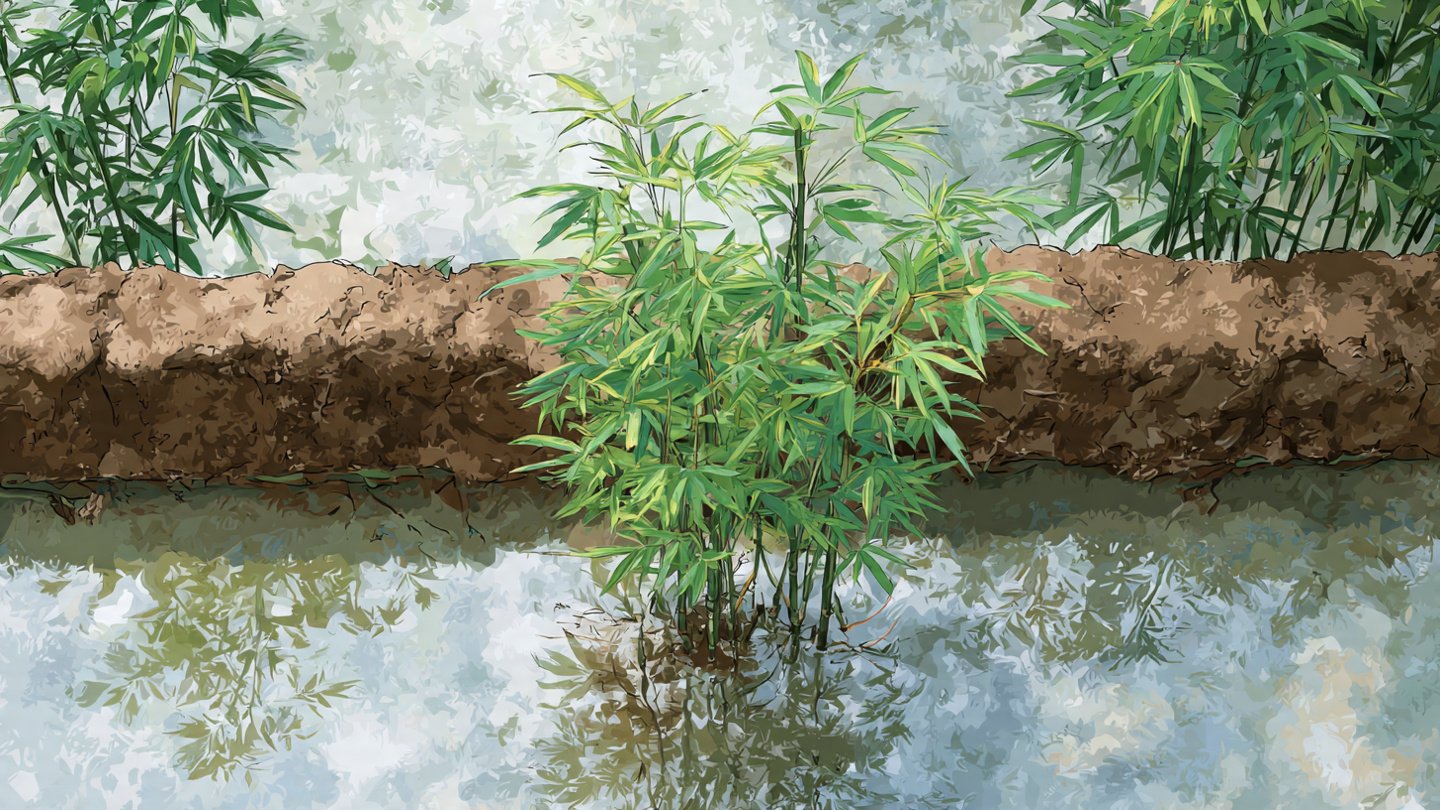
Bamboo is a remarkable plant, admired for its rapid growth, elegant appearance, and versatility in gardens and landscapes. Its lush green foliage, tall stems, and ability to provide natural privacy make it a favorite among gardeners and landscapers alike. However, bamboo is not always as innocent as it appears. When planted without proper precautions, it can quickly become invasive, spreading uncontrollably and causing problems in your garden—or even in your neighbor’s property.
A root barrier is a critical tool for containing bamboo and preventing its rhizomes from overtaking other plants and areas. Failing to install one can lead to a host of risks, from structural damage to expensive maintenance costs. This guide will explore the dangers of planting bamboo without a root barrier, the types of bamboo growth, and best practices for responsible cultivation.
1. Understanding Bamboo Growth
Bamboo is a grass species but grows more like a tree. Its growth characteristics vary by species, with two main types relevant to gardeners:
1.1 Clumping Bamboo
- Grows slowly and expands in a tight cluster.
- Less invasive because new shoots grow close to the parent plant.
- Typically safer to plant without a root barrier, although still requires some space.
1.2 Running Bamboo
- Spreads aggressively through underground rhizomes.
- Rhizomes can travel 20–40 feet or more from the parent plant.
- Very invasive; can easily take over lawns, flower beds, and neighboring properties.
The running bamboo type is the main risk when planted without a root barrier.
2. Risks of Planting Bamboo Without a Root Barrier
Planting bamboo without a root barrier can lead to several significant problems:
2.1 Uncontrolled Spread
- Running bamboo sends out underground rhizomes that sprout new shoots far from the original planting site.
- It can quickly invade gardens, lawns, and flower beds, choking out other plants.
- Without containment, the bamboo may require constant cutting or digging to prevent overgrowth.
2.2 Damage to Nearby Structures
- Bamboo rhizomes are powerful and persistent, capable of penetrating cracks in sidewalks, driveways, and foundations.
- Over time, they can lift pavements, damage retaining walls, or compromise garden structures.
- Tree roots alone are easier to manage; bamboo’s underground network is far more aggressive.
2.3 Neighbor Conflicts
- If bamboo spreads into neighboring properties, it can lead to disputes.
- Some regions have laws governing invasive plants and may hold the gardener responsible for damage caused.
- A small bamboo planting without a barrier can quickly become a legal and social headache.
2.4 Increased Maintenance Costs
- Controlling uncontained bamboo often involves labor-intensive digging, cutting, or herbicide use.
- Without preventive barriers, maintenance costs can skyrocket over time.
- Removing bamboo after years of spread is more difficult and expensive than preventing it from spreading in the first place.
2.5 Ecosystem Imbalance
- Bamboo can outcompete native plants for sunlight, water, and nutrients.
- In areas where bamboo spreads unchecked, it may reduce biodiversity in the garden or local environment.
- This is particularly concerning if planting near natural areas or wildlife habitats.
3. How Bamboo Spreads
Bamboo spreads through its underground rhizomes, which are horizontal stems that produce new shoots. Understanding this growth pattern explains why root barriers are so critical:
- Rhizome Length: Running bamboo rhizomes can extend up to 40 feet in a single growing season.
- Shoot Emergence: Even a small segment of rhizome can produce new shoots, leading to unexpected growth far from the original plant.
- Resilience: Rhizomes are extremely tough and can survive harsh conditions, making them difficult to eradicate once established.
Without a barrier, there’s no way to control these underground extensions, and even a well-intentioned planting can turn into a full-blown invasion.
4. Root Barriers: What They Do
A root barrier is a physical containment system installed in the soil around bamboo to prevent rhizomes from spreading.
How Root Barriers Work
- Typically made of high-density polyethylene (HDPE) or other durable plastic.
- Installed vertically in the soil around the planting area.
- Extend 24–36 inches deep, depending on bamboo species and soil conditions.
- Direct rhizomes upward, where they can be easily spotted and removed before escaping the barrier.
Benefits
- Keeps bamboo confined to a designated area.
- Protects other plants, lawns, and structures.
- Reduces maintenance and prevents legal or neighborhood disputes.
- Allows bamboo to thrive without the risks of uncontrolled growth.
5. Risks of Inadequate or Improper Barriers
Even when a barrier is installed, improper installation can create problems:
- Shallow barriers allow rhizomes to grow underneath.
- Gaps at corners or joints let rhizomes escape.
- Thin or weak material can be penetrated by strong bamboo rhizomes.
Improper barriers are almost as risky as having no barrier at all. For safe planting, the barrier must be installed correctly, deep enough, and made of durable material.
6. Signs Your Bamboo May Be Escaping
Even with partial containment, running bamboo can find ways to spread. Watch for these early warning signs:
- New shoots appearing outside the intended area.
- Bamboo creeping along property edges or flower beds.
- Dense patches forming in unexpected locations.
Early detection allows corrective action, such as installing additional barriers or digging out rogue rhizomes.
7. Alternative Solutions if You Can’t Install a Root Barrier
If installing a root barrier is not feasible, there are other strategies to reduce risk:
7.1 Plant Clumping Varieties
- Choose non-invasive clumping bamboo varieties, which grow slowly and remain compact.
7.2 Container Bamboo
- Plant bamboo in large pots or raised beds to control rhizome growth.
- Containers limit underground expansion but still provide enough room for healthy growth.
7.3 Regular Maintenance
- Frequently inspect the area for new shoots.
- Cut or dig up rhizomes before they establish outside the intended zone.
While these strategies reduce risk, nothing beats a properly installed root barrier for running bamboo.
8. Best Practices for Planting Bamboo Safely
To enjoy bamboo without the hidden risks:
- Select the right species: Clumping bamboo is safer for small gardens.
- Install a root barrier: Ensure it’s durable, deep, and well-sealed.
- Monitor growth: Check for rhizomes escaping over time.
- Provide adequate space: Bamboo still needs room for healthy growth.
- Use containers for high-risk areas: For balconies, patios, or small gardens.
- Educate neighbors: If planting near property lines, communicate to prevent disputes.
Following these practices allows bamboo to thrive without becoming a problem.
9. Long-Term Benefits of Proper Containment
Using a root barrier or other containment methods ensures:
- Bamboo remains a beautiful and low-maintenance feature in the garden.
- Protects other plants, lawns, and structures from invasive rhizomes.
- Reduces labor and costs associated with controlling overgrown bamboo.
- Prevents legal or neighborhood conflicts.
Essentially, containment transforms bamboo from a risky plant into a sustainable, enjoyable addition to your landscape.
10. Final Thoughts
Bamboo is both rewarding and potentially problematic. Without a root barrier, running bamboo can spread aggressively, damage structures, compete with other plants, and create legal or social complications. Understanding the risks and taking proactive measures is essential for responsible gardening.
Installing a proper root barrier, selecting the right species, and monitoring growth regularly are key steps to safely enjoy the beauty and benefits of bamboo. Whether you’re seeking a green privacy screen, decorative garden feature, or natural windbreak, proper containment ensures your bamboo enhances your space rather than turning into a hidden problem.
By respecting bamboo’s aggressive growth tendencies and using containment strategies, you can enjoy its elegance, rapid growth, and resilience—without the headaches that come from uncontrolled expansion. In short, a root barrier is not just a precaution; it is the difference between bamboo as a garden asset and bamboo as a garden disaster.