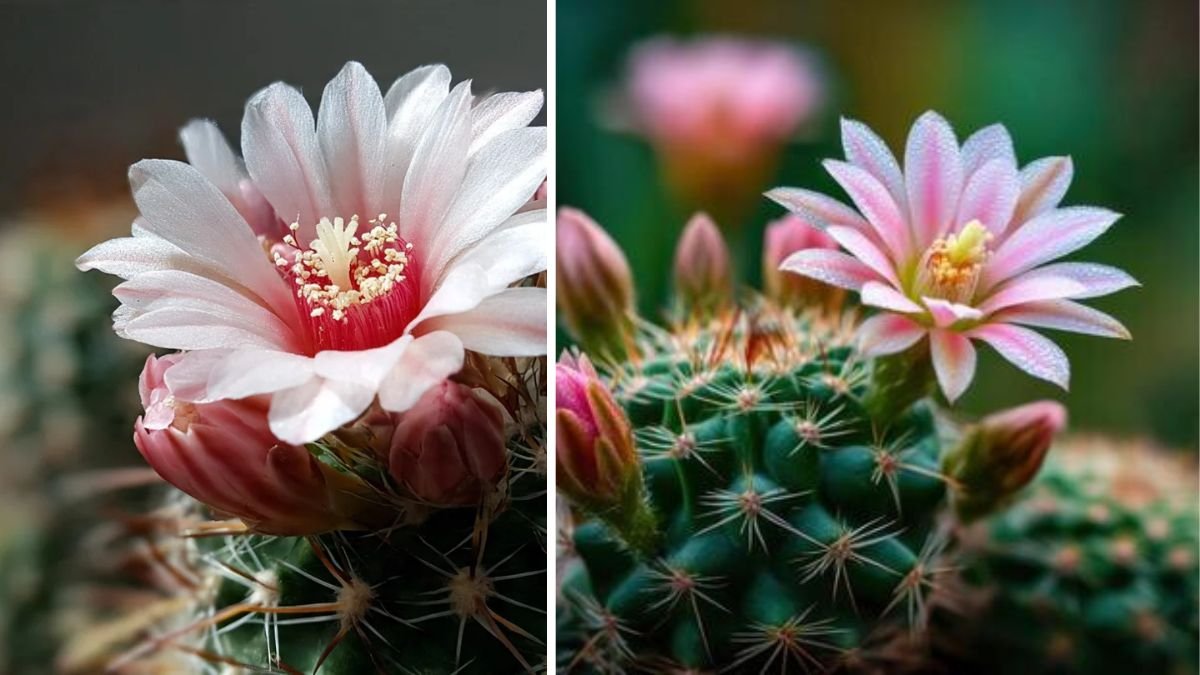
Nature never ceases to amaze us, and few plants demonstrate this better than the rare “century cactus.” Known for its extraordinary lifespan and almost mythical flowering cycle, this cactus blooms and seeds only once every 100 years. But what makes this phenomenon happen? Why does a plant invest an entire century just to produce a single reproductive event? Understanding the biology, environmental factors, and survival strategy behind this rare cactus offers a fascinating glimpse into nature’s patience, resilience, and intricate design.
1. The Century Cactus: A Botanical Marvel
The rare cactus in question is often referred to as the “century plant”, though it is important to note that the term is slightly misleading. While popularly believed to live 100 years, many specimens bloom in 30 to 60 years, depending on environmental conditions. What makes it truly remarkable is its monocarpic life cycle—the plant grows vegetatively for decades, stores energy, and then produces one massive flower spike, followed by seed production, after which it dies.
This pattern of growth is not just fascinating—it is a testament to the cactus’s evolutionary strategy for survival in harsh, arid environments.
2. Understanding Monocarpic Plants
The century cactus is a monocarpic plant, meaning it flowers only once in its lifetime. Unlike most plants, which reproduce multiple times throughout their life, monocarpic plants devote decades to accumulating resources and energy before a single, spectacular reproductive event.
- Energy storage: Over decades, the cactus accumulates energy in its thick, fleshy tissues.
- Flowering trigger: Only when the plant has sufficient stored energy does it initiate the flowering process.
- Reproduction: The plant invests all its resources in a single reproductive effort, producing a massive flower stalk that can tower several meters high.
This strategy maximizes reproductive success in environments where resources are scarce, and survival is uncertain.
3. Environmental Triggers for Blooming
While age and internal energy reserves are critical, the environment plays a pivotal role in triggering bloom. Century cacti are highly sensitive to their surroundings, and several factors influence when they finally flower:
- Rainfall patterns: Many desert species wait for prolonged periods of consistent rainfall before blooming.
- Temperature cycles: A specific range of warm temperatures may signal the plant that it’s the optimal time to flower.
- Photoperiod: The length of daylight affects flowering hormones, helping synchronize bloom with other environmental cues.
- Soil conditions: Mineral-rich and well-draining soil ensures the plant has enough nutrients to sustain its massive reproductive effort.
Even if a cactus reaches the “century” age mark, an unsuitable environment can delay flowering further, making the timing seem almost mystical.
4. Anatomy of the Bloom
When a century cactus finally blooms, it is a sight to behold. The flower stalk, often called a “century spike”, emerges rapidly and grows several meters tall in a matter of weeks. At the tip, large, trumpet-shaped flowers open, attracting pollinators such as bats, moths, or birds, depending on the species.
- Size and scale: Individual flowers can measure several inches across, with bright colors ranging from white and yellow to red.
- Nectar production: The plant produces copious nectar to ensure pollinator visits.
- Synchronization: Blooming may occur over several days or weeks, allowing cross-pollination among different specimens if nearby.
This concentrated reproductive effort ensures that, despite flowering just once, the cactus has a high chance of successful pollination.
5. Seed Production and Dispersal
After pollination, the cactus produces seeds that will carry its lineage into the next century. Unlike annual plants that produce seeds frequently, the century cactus relies on a massive single seed set:
- Seed quantity: Hundreds to thousands of seeds can form in a single flowering event.
- Protective structures: Seeds are often encased in tough fruit to protect against predators and harsh environmental conditions.
- Dispersal strategies: Seeds may be dispersed by wind, water runoff, or animals attracted to the fruit, ensuring a wider range for germination.
Because each seed represents a rare opportunity for reproduction, the plant has evolved to maximize every aspect of its flowering and seeding process.
6. Evolutionary Advantages of Rare Blooming
It may seem counterintuitive for a plant to wait an entire century to reproduce, but this strategy offers unique evolutionary advantages:
- Resource efficiency: By accumulating energy for decades, the plant ensures it has enough resources to produce a high number of viable seeds in one effort.
- Predator avoidance: Rare blooming reduces the risk of seed predation. If the plant flowered every year, predators might learn to exploit it.
- Environmental synchronization: Blooming infrequently allows the plant to align reproduction with optimal environmental conditions, increasing the chance of seed survival.
These advantages illustrate how patience and longevity can be an effective survival strategy in extreme habitats.
7. The Role of Pollinators
Pollinators are crucial to the century cactus’s reproduction. In arid environments, certain pollinators are active only during specific times of the year. By blooming in synchronization with these pollinators, the cactus maximizes reproductive success:
- Bats: Nocturnal species are attracted to large, fragrant flowers at night.
- Moths and bees: Diurnal pollinators provide daytime pollination for species that flower during daylight.
- Birds: Some cacti produce brightly colored flowers to attract hummingbirds or other nectar-feeding birds.
Without pollinators, the century cactus cannot produce viable seeds, making its long wait even more meaningful.
8. Human Fascination with the Century Cactus
The century cactus has captured human imagination for centuries. Its dramatic, once-in-a-lifetime flowering event has led to myths, legends, and careful scientific study:
- Cultural significance: In some cultures, the bloom symbolizes longevity, patience, and rare fortune.
- Scientific study: Botanists study these cacti to understand long-term plant survival, energy storage, and desert ecology.
- Conservation awareness: With climate change threatening many desert habitats, protecting century cacti ensures these unique life cycles continue.
People often travel long distances to witness the bloom, making it a celebrated natural event when it occurs.
9. Challenges and Conservation
Century cacti face numerous challenges that make their rare bloom even more remarkable:
- Habitat loss: Urbanization and agriculture reduce natural habitats.
- Climate change: Unpredictable rainfall and temperature shifts can delay or prevent blooming.
- Illegal collection: Rare species are sometimes targeted for ornamental purposes, threatening wild populations.
Conservation efforts focus on protecting habitats, regulating collection, and educating the public about the cactus’s ecological role and rarity.
10. Lessons from the Century Cactus
The century cactus teaches us lessons that go beyond botany:
- Patience pays off: Nature demonstrates that patience and preparation can lead to extraordinary results.
- Adaptation and resilience: Survival in harsh conditions requires careful resource management and strategic timing.
- Rarity increases value: Just as this cactus blooms once a century, rare events and efforts often carry immense significance.
Observing and studying the century cactus encourages respect for nature’s complexity and reinforces the importance of preserving rare species.
Conclusion
The rare century cactus is a living testament to patience, resilience, and evolutionary brilliance. Its ability to grow for decades, bloom once, and produce seeds only once every century may seem extreme, but it represents a carefully honed survival strategy adapted to harsh desert environments. From energy storage to synchronized pollination and seed dispersal, every aspect of its life cycle is optimized for success despite the odds.
For humans, the century cactus is more than a plant—it’s a symbol of endurance, wonder, and the beauty of rare natural events. Witnessing its bloom is a reminder that nature often rewards patience, and that sometimes, the most spectacular outcomes require a lifetime of preparation. By understanding and conserving these extraordinary cacti, we ensure that future generations can marvel at one of nature’s most remarkable feats.