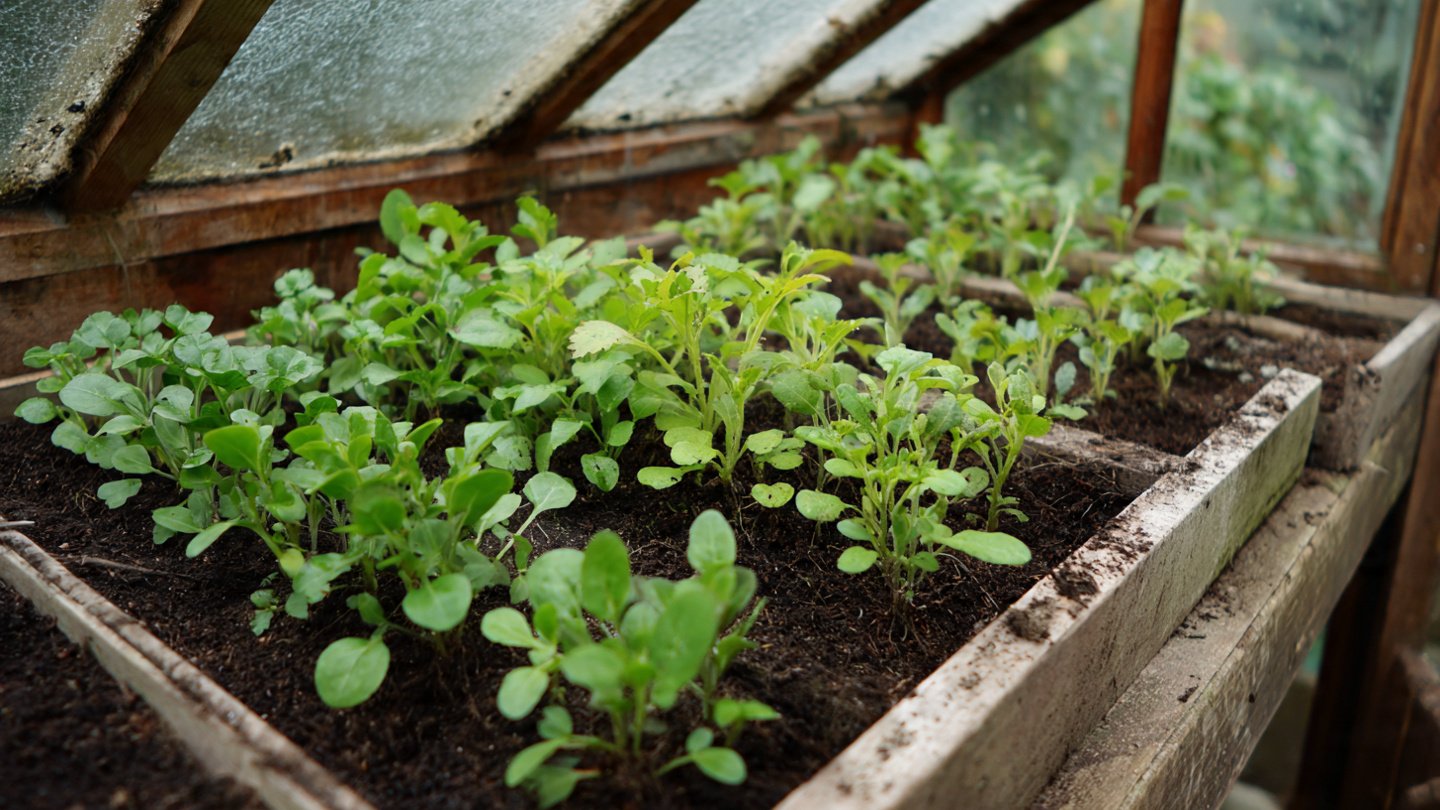
For avid gardeners, propagating plants from cuttings is one of the most rewarding ways to expand your garden, save money, and preserve beloved varieties. But as the days grow shorter and temperatures drop, the challenge becomes keeping these cuttings alive through winter. One of the simplest and most effective solutions is a cold frame, a low-maintenance, protective structure that provides the right environment for overwintering your cuttings.
Understanding the key to successful overwintering in a cold frame is essential for ensuring that your cuttings emerge healthy and ready to thrive in the spring. In this guide, we’ll explore what makes cold frames so effective, how to prepare your cuttings, and the best techniques to keep them safe and vigorous all winter long.
Why Overwintering Cuttings Matters
Overwintering is the process of protecting plants during the cold months so they survive until favorable growing conditions return. For cuttings, winter survival is critical because:
- Cuttings are young and delicate, with minimal root systems.
- They are more susceptible to frost, drying, and disease than established plants.
- Successfully overwintered cuttings allow gardeners to have ready-to-plant specimens in spring, saving time and money.
A cold frame provides the perfect balance of protection and exposure, creating a microclimate that shields your cuttings from extreme weather while still giving them light, ventilation, and warmth.
What Is a Cold Frame?
A cold frame is essentially a low, box-like structure with a transparent top, usually made from glass or clear plastic, and solid sides made from wood, brick, or recycled materials. It acts as a mini greenhouse by:
- Trapping heat from the sun, keeping the interior warmer than outside temperatures.
- Protecting cuttings from wind, frost, and heavy rain.
- Allowing air circulation, which prevents mold and rot.
Cold frames are versatile, affordable, and easy to build, making them perfect for gardeners who want to overwinter cuttings without investing in a full greenhouse.
Choosing the Right Cuttings for Overwintering
Not all cuttings are equally hardy. Choosing the right ones increases the likelihood of survival.
Types of Cuttings Suitable for Cold Frames:
- Semi-ripe or hardwood cuttings: These come from shrubs, vines, and perennials that have matured partially or fully.
- Herbaceous cuttings: Soft-stemmed plants like geraniums and fuchsias can survive if adequately protected.
- Succulents and cacti: Sensitive to frost but thrive in cold frames with controlled conditions.
Tips for Selecting Healthy Cuttings:
- Look for strong, disease-free stems
- Avoid cuttings with signs of rot, discoloration, or insect damage
- Take cuttings before the plant goes completely dormant for best rooting potential
Selecting robust cuttings ensures that they can withstand the stresses of winter and respond well when spring arrives.
Preparing Your Cuttings for Winter
Proper preparation is the foundation of successful overwintering.
Steps to Prepare Cuttings:
- Trim the cuttings: Remove any excess leaves or flowers that could draw energy away from root development.
- Dip in rooting hormone (optional): Encourages root formation for soft-stemmed or semi-ripe cuttings.
- Plant in suitable medium: Use a light, well-draining mix like a combination of compost, sand, and perlite.
- Water lightly: Keep the soil slightly moist but not waterlogged. Overwatering is a common cause of winter losses.
Cuttings that are prepared correctly enter the cold frame in the best possible condition to survive low temperatures.
Positioning Your Cold Frame
Placement matters because it determines how much sunlight, warmth, and protection your cuttings will receive.
Ideal Cold Frame Position:
- Sunny location: South or southeast-facing is best for maximum light and warmth.
- Sheltered from strong winds: Helps maintain stable temperatures and prevents structural damage.
- Level ground: Ensures even water distribution and avoids pooling, which can lead to rot.
Even in a small backyard or balcony, careful placement can make the difference between thriving cuttings and losses.
Temperature Management
Maintaining the right temperature is critical for overwintering success. Cold frames can trap solar heat, but during frosty nights or cold snaps, you may need additional measures.
Temperature Guidelines:
- Above freezing: Ideally, maintain the interior between 35°F–50°F (1.5°C–10°C) for hardy cuttings.
- Soft-stemmed cuttings: Keep slightly warmer, around 50°F (10°C), to prevent frost damage.
How to Manage Temperatures:
- Ventilation: Open the lid on sunny days to prevent overheating and allow fresh air.
- Insulation: Use straw, bubble wrap, or horticultural fleece around pots or along the frame sides to retain heat overnight.
- Heat packs or thermal mats: Optional for extra-sensitive cuttings.
A balance of warmth and ventilation prevents stress, rot, and fungal issues while allowing cuttings to stay dormant yet viable.
Watering Cuttings in a Cold Frame
Watering in winter is different than in the growing season because moisture evaporates slowly.
Best Practices:
- Check soil moisture weekly; soil should be slightly damp, not soggy.
- Water at the base to avoid wetting leaves, which can encourage fungal growth.
- Use room-temperature water to avoid shocking roots.
- Reduce watering for dormant cuttings; some may survive on residual moisture alone.
Consistent but moderate watering is key to overwintering without encouraging rot.
Preventing Pests and Disease
Even in winter, pests and diseases can be an issue in cold frames.
Common Issues:
- Fungus and mold from damp, poorly ventilated conditions
- Aphids, spider mites, or mealybugs on evergreen cuttings
- Rot from overwatering or cold damage
Prevention Tips:
- Keep the cold frame clean and remove dead leaves promptly
- Provide adequate ventilation
- Avoid overcrowding; spacing cuttings improves airflow
- Inspect regularly and treat problems early with natural or mild interventions
Healthy cuttings in well-maintained conditions are far less prone to pest and disease issues.
Choosing Containers for Overwintering
The right containers help maintain moisture levels and protect roots from extreme temperatures.
- Plastic pots: Lightweight, retain moisture, and prevent soil from freezing too quickly.
- Clay pots: More breathable but can dry out faster; insulation may be needed.
- Seed trays or recycled containers: Useful for soft-stemmed cuttings and small cuttings.
Using containers with drainage holes is essential to avoid waterlogged soil, which is the most common cause of winter loss.
Monitoring and Adjusting Throughout Winter
Winter isn’t a “set and forget” period. Cuttings still require occasional care.
- Open the lid on sunny days to prevent condensation and overheating.
- Check for signs of stress such as wilting, discoloration, or fungal growth.
- Adjust insulation if nights become extremely cold.
- Remove any cuttings that do not survive to prevent spread of disease.
Regular monitoring ensures cuttings remain viable until spring.
Spring Transition
As temperatures rise and days lengthen, it’s time to transition cuttings out of the cold frame.
Spring Steps:
- Gradually open the lid during the day to acclimate plants to outdoor conditions.
- Remove insulation slowly, allowing plants to adjust to increasing sunlight.
- Begin watering more frequently as plants resume active growth.
- Transplant cuttings into larger pots or garden beds when they are strong enough.
A smooth transition from winter dormancy to active growth ensures vigorous plants for the coming season.
Key Takeaways
The key to successfully overwintering cuttings in a simple cold frame comes down to several interrelated factors:
- Selection of hardy, healthy cuttings
- Proper preparation and planting in well-draining soil
- Placement in a sunny, sheltered location
- Temperature management through insulation and ventilation
- Moderate watering and consistent monitoring
- Protection against pests, disease, and overcrowding
By mastering these elements, gardeners can ensure that their cuttings survive winter, ready to grow, root, and flourish in the spring.
Final Thoughts
Overwintering cuttings in a cold frame is a rewarding skill that combines simple materials, careful planning, and regular observation. Even a small, basic cold frame can dramatically increase the survival rate of cuttings, allowing gardeners to preserve prized plants, propagate new specimens, and enjoy an abundant garden in the months ahead.
With the right combination of preparation, temperature control, watering, and pest management, your cuttings can safely navigate winter dormancy and emerge vibrant and ready to thrive when the growing season begins. A well-managed cold frame not only protects your plants but also transforms winter gardening into a productive, satisfying, and sustainable endeavor.