Absolutely! Here’s a detailed 1,200-word article for your requested title:
What Is the Key to Growing Massive Bunches of Grapes in Your Backyard?
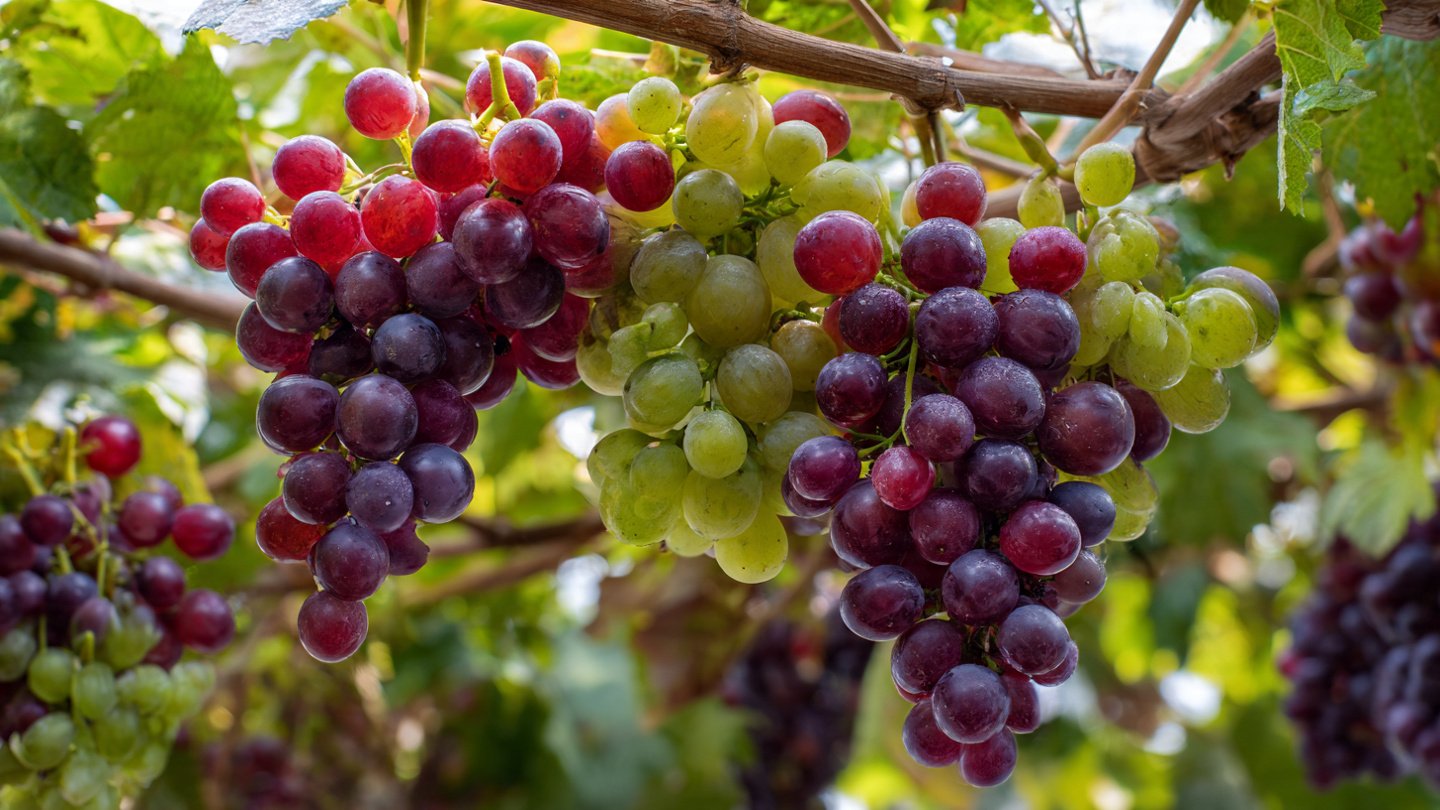
Grapes are not only delicious but also versatile, perfect for fresh eating, making jams, juices, and even homemade wine. Growing grapes in your backyard can be highly rewarding, but many gardeners struggle to produce large, healthy grape clusters. The secret lies in understanding grapevine biology, providing the right care, and optimizing growing conditions. With proper techniques, attention to soil, sunlight, watering, pruning, and pest management, you can transform your backyard into a vineyard paradise, producing massive bunches of grapes season after season.
This guide explores the key factors to growing abundant grapes, helping you unlock the full potential of your backyard grapevines.
Understanding Grapevine Growth
Before diving into practical tips, it’s important to understand how grapevines grow:
- Grapevines are perennials: They can live and produce fruit for decades if properly cared for.
- Fruit develops on one-year-old wood: Grapes grow on shoots from the previous year’s growth. Understanding this helps in pruning and training the vine.
- Sunlight and temperature influence sweetness: Grapes need warm days and cool nights to develop sugars, resulting in large, flavorful bunches.
- Root system supports growth: Healthy roots are essential for nutrient uptake, water absorption, and vine stability.
Step 1: Selecting the Right Grape Variety
Choosing the right grape variety is crucial for yield and bunch size:
- Climate Compatibility:
- Cool climates: Concord, Niagara, or Delaware grapes thrive.
- Warm climates: Thompson Seedless, Flame Seedless, and Crimson Seedless perform well.
- Purpose:
- Fresh eating: Table grapes like Flame Seedless or Concord.
- Wine-making: Varieties like Cabernet Sauvignon, Merlot, or Chardonnay.
- Disease Resistance: Look for varieties resistant to powdery mildew, downy mildew, and pests common in your region.
Selecting the appropriate variety ensures strong growth, better fruit set, and larger bunches.
Step 2: Preparing the Soil
Healthy grapes start with healthy soil:
- Well-draining soil: Grapevines dislike waterlogged soil, which can rot roots. Sandy loam or loamy soil is ideal.
- pH level: Aim for slightly acidic to neutral soil, between 6.0 and 7.0. Test your soil and adjust with lime or sulfur if necessary.
- Nutrient-rich: Incorporate compost or well-rotted manure to provide essential nutrients. Grapevines need nitrogen, phosphorus, and potassium for vigorous growth and fruit development.
Proper soil preparation ensures strong roots, which support larger grape clusters.
Step 3: Providing Optimal Sunlight
Sunlight is one of the most critical factors for massive grape production:
- Grapevines require 6–8 hours of direct sunlight per day.
- Sunlight enhances photosynthesis, producing energy for fruit growth and sugar accumulation.
- Ensure your grapevine is planted in an area free from shade cast by trees or buildings.
A sunny location also reduces humidity around leaves and clusters, helping prevent fungal diseases.
Step 4: Training and Supporting Your Vines
Proper training and support are essential for large, healthy grape bunches:
- Trellises and Arbors: Provide vertical or horizontal support to allow grapevines to climb. This ensures better air circulation, sunlight exposure, and easy harvest.
- Cordon System: Train a main horizontal branch along a trellis for even growth and simplified pruning.
- Vertical Shoot Positioning (VSP): Helps manage the canopy and ensures shoots grow upright for maximum light penetration.
Supporting grapevines correctly prevents overcrowding, reduces disease risk, and promotes bigger fruit clusters.
Step 5: Watering Techniques
Grapes require consistent moisture but cannot tolerate standing water:
- During Establishment: Water young grapevines frequently to encourage root development.
- During Growth: Reduce watering once the vine is established. Too much water can dilute sugars and affect fruit flavor.
- During Ripening: Moderate watering during fruit maturation helps concentrate sugars and improve taste.
- Mulching: Use organic mulch to retain moisture, regulate soil temperature, and reduce weeds.
Proper watering techniques ensure grapes grow plump and sweet without compromising quality.
Step 6: Fertilization for Bigger Bunches
Fertilization provides the nutrients grapevines need to produce large, healthy clusters:
- Nitrogen: Promotes leafy growth and strong shoots.
- Phosphorus: Essential for root development and flower formation.
- Potassium: Supports fruit development and enhances sugar content in grapes.
Fertilization Tips:
- Avoid over-fertilizing with nitrogen during flowering and fruit set, as it may produce more foliage at the expense of fruit.
- Use balanced fertilizers or organic compost in early spring before buds break.
- Apply potassium-rich fertilizers during fruit development to increase bunch size and sweetness.
Step 7: Pruning and Canopy Management
Pruning is the single most important factor in producing massive grape clusters:
- Grapes bear fruit on one-year-old wood. Proper pruning encourages new shoots that will carry fruit next season.
- Winter Pruning: Remove old, unproductive wood and maintain a manageable vine structure.
- Summer Pruning: Remove excess shoots and leaves that block sunlight or air circulation.
Benefits of Proper Pruning:
- Concentrates energy on fruiting wood, resulting in larger clusters.
- Reduces disease risk by improving airflow.
- Makes harvesting easier and improves overall vine health.
Step 8: Pollination and Flower Management
Large grape bunches depend on good pollination and fruit set:
- Grapes are mostly self-pollinating, but wind and insects aid in fruit set.
- Avoid overcrowding flowers or shoots, as too many clusters can reduce size.
- Thin clusters if necessary, leaving fewer, but larger bunches for optimal growth.
Proper cluster management ensures energy is concentrated on producing big, juicy grapes rather than numerous small ones.
Step 9: Pest and Disease Control
Pests and diseases can drastically reduce grape yield and cluster size:
- Common Pests: Grape berry moths, aphids, spider mites, and leafhoppers.
- Common Diseases: Powdery mildew, downy mildew, black rot.
Prevention Strategies:
- Maintain good air circulation by pruning and training vines.
- Apply organic or chemical fungicides if necessary.
- Inspect vines regularly and remove affected leaves or clusters promptly.
Healthy vines are strong vines, producing large, high-quality fruit.
Step 10: Harvesting at the Right Time
Harvest timing affects both taste and appearance:
- Grapes do not continue to ripen after picking.
- Harvest when sugar content is high and grapes are fully colored and plump.
- Leaving fruit too long may attract pests or cause splitting, reducing cluster quality.
Regular monitoring during late summer or early fall ensures that grape bunches are maximally developed and delicious.
Step 11: Seasonal Care and Winter Protection
Grapevines are perennial but need protection in harsh climates:
- Mulch: Protects roots from freezing temperatures.
- Pruning in Winter: Prepares vines for healthy spring growth.
- Covering Young Vines: Use frost blankets in areas prone to freezing.
Seasonal care ensures consistent growth year after year and helps produce massive grape bunches consistently.
Conclusion
Growing massive, healthy grape clusters in your backyard is entirely achievable with the right combination of planning, care, and attention to detail. The key elements include:
- Selecting the right grape variety for your climate and purpose.
- Preparing well-draining, nutrient-rich soil.
- Ensuring adequate sunlight and proper trellis support.
- Implementing precise watering and fertilization routines.
- Practicing careful pruning and canopy management.
- Managing pollination, cluster thinning, and pest/disease control.
- Harvesting at the optimal time and providing seasonal protection.
By following these guidelines, you can cultivate a backyard vineyard that not only looks beautiful but also produces abundant, plump, and flavorful grape bunches year after year. With patience, dedication, and attention to the needs of your grapevines, your backyard can become a source of pride and a haven for enjoying nature’s sweetest fruit.