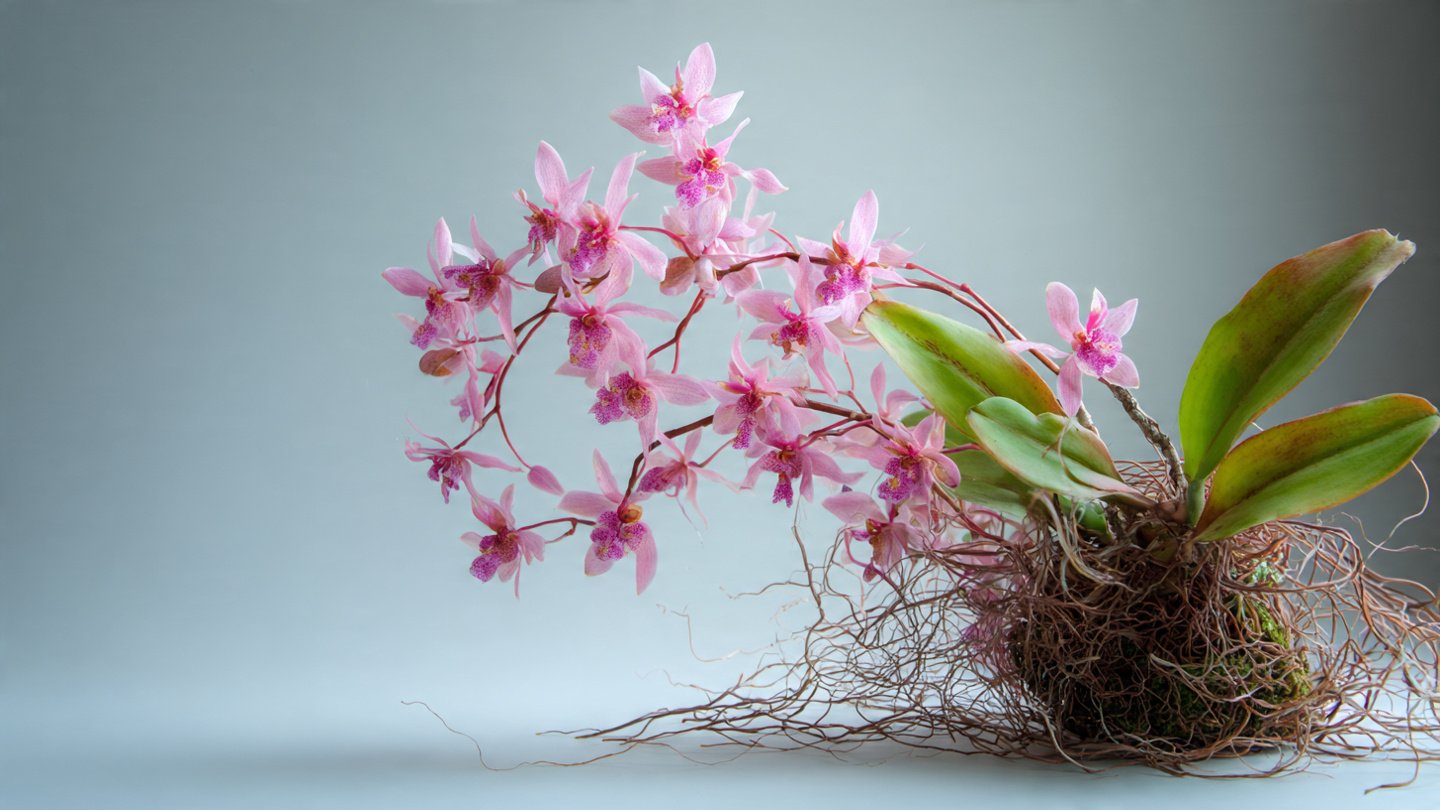
Orchids are among the most elegant and cherished plants in the world of gardening. Their intricate blooms and exotic appearance make them a favorite for home gardeners and enthusiasts. Yet, many orchid growers face a frustrating dilemma: their orchid produces lush green leaves but refuses to bloom. While a healthy leaf canopy is a good sign, the absence of flowers can be disappointing, especially if you’ve waited months or even years for your plant to blossom.
Understanding why an orchid focuses on leaves rather than flowers is key to correcting the problem. The reasons are often linked to light, temperature, nutrition, watering, and care practices. Let’s dive deep into the causes and solutions so you can encourage your orchid to produce stunning blooms.
1. Insufficient Light: The Most Common Culprit
Orchids rely on light to trigger flowering. Without adequate sunlight, the plant invests energy into growing leaves rather than flowers.
Signs of Light Deficiency
- Leaves are dark green and soft, rather than a lighter, vibrant green.
- Orchid grows tall and leggy, stretching toward the light.
- No signs of flower spikes forming despite healthy leaves.
Solutions
- Place orchids in bright, indirect light. East- or south-facing windows are ideal for most species.
- Avoid harsh direct sun, which can scorch leaves.
- For indoor orchids with low natural light, use grow lights to supplement 12–14 hours of light daily.
Tip: Leaves that are too dark indicate low light, while yellowing leaves may indicate excessive light. Finding the right balance is crucial for bloom induction.
2. Incorrect Temperature or Lack of Temperature Variation
Orchids often require a temperature drop at night to trigger flowering. This mimics natural conditions in tropical or subtropical environments.
How Temperature Affects Flowering
- Many orchids, like Phalaenopsis, need a 10–15°F difference between day and night temperatures.
- Continuous warm temperatures encourage vegetative growth (leaves) rather than reproductive growth (flowers).
Solutions
- Move orchids to a location with cooler nighttime temperatures during the flowering season.
- Maintain daytime warmth to support photosynthesis and healthy leaf growth.
- Avoid placing orchids near heaters, vents, or air conditioners that prevent natural temperature fluctuations.
Temperature management often solves the mystery of why a healthy orchid refuses to bloom.
3. Overfertilization: Too Much Nitrogen
Orchids require balanced nutrition, but excess nitrogen encourages leaf growth at the expense of flowers.
Signs of Nitrogen Overload
- Leaves are unusually thick and dark green.
- Stems appear long and weak, with little evidence of flower spikes.
- Slow or absent flowering season.
Solutions
- Switch to a low-nitrogen, high-phosphorus fertilizer during bloom preparation.
- Follow the “weakly, weekly” fertilization method: dilute fertilizer to 1/4–1/2 strength and apply every week.
- Reduce feeding frequency once the orchid begins forming buds.
Phosphorus is crucial for flower spike development, while nitrogen primarily supports vegetative growth.
4. Improper Watering Practices
Watering mistakes can stress orchids, preventing flower formation:
- Overwatering leads to root rot, reducing the plant’s energy reserves needed for flowering.
- Underwatering causes dehydration, limiting the orchid’s ability to produce flowers.
Solutions
- Water orchids only when the growing medium is almost dry.
- Ensure good drainage in pots to avoid standing water.
- Use lukewarm water and avoid wetting leaves excessively, which can promote fungal diseases.
Healthy roots are essential for flower spike production, and proper watering ensures energy is available for bloom development.
5. Wrong Orchid Pot or Growing Medium
Orchids need a medium that allows air circulation around roots. Traditional soil holds too much moisture and suffocates roots, hindering flowering.
Signs of Medium Problems
- Roots are brown, mushy, or dry.
- Orchid is growing leaves vigorously but shows no flower spikes.
Solutions
- Repot orchids in specialized orchid bark, sphagnum moss, or a hybrid medium.
- Ensure pots have ample drainage holes.
- Repot every 1–2 years to refresh the medium and maintain root health.
The right medium supports both vegetative growth and bloom development.
6. Orchids Focus on Recovery or Growth
Sometimes orchids naturally produce only leaves after a period of stress or recovery:
- Newly acquired orchids often spend months acclimating to a new environment.
- After repotting, orchids focus on root and leaf growth before flowering.
- Seasonal growth patterns can also delay blooming.
What to Do
- Be patient: let the plant establish itself fully.
- Maintain optimal care practices and avoid drastic changes.
- Recognize that healthy leaf growth is a sign the plant is preparing for future blooms.
Orchids often prioritize survival first, and flowering naturally follows once conditions are ideal.
7. Pruning and Maintenance Practices
Neglecting orchid maintenance can also affect flowering:
- Old flower spikes should be removed after blooming, but cutting them incorrectly can reduce future flowering chances.
- Dead or damaged leaves can divert energy away from flowering.
Solutions
- After a bloom, cut the flower spike carefully if it is brown and dry.
- Remove any dead or yellowing leaves to improve energy distribution.
- Avoid cutting green spikes in orchids that bloom on old spikes (some species, like Phalaenopsis, can rebloom from old spikes).
Proper pruning ensures energy is directed toward flower production rather than unnecessary leaf growth.
8. Age and Maturity of the Orchid
Many orchids do not bloom until they are mature enough. Younger plants focus on leaf and root development before investing in flowers.
- Phalaenopsis orchids may take 2–3 years before first bloom.
- Dendrobiums often need 3–5 years to reach flowering maturity.
What to Do
- Provide consistent care, proper nutrition, and ideal light and temperature conditions.
- Avoid expecting blooms from young or recently propagated orchids.
Patience is key: a healthy, leafy orchid today is likely preparing for future flowering.
9. Environmental Stressors
Environmental factors can prevent blooming, even if the plant looks healthy:
- Low humidity can inhibit flower spike formation. Orchids typically thrive at 50–70% humidity.
- Drafts or sudden temperature swings stress the plant.
- Insufficient air circulation encourages fungal growth, reducing energy for flowering.
Solutions
- Use a humidifier or humidity tray to maintain proper humidity.
- Protect orchids from cold drafts and hot airflow.
- Provide gentle air movement to keep the plant healthy.
Addressing environmental stressors often restores natural flowering patterns.
10. Encouraging Flower Formation Naturally
To stimulate your orchid to bloom rather than produce only leaves:
- Provide bright, indirect light for several hours daily.
- Implement a slight night temperature drop (10–15°F cooler).
- Adjust fertilization: reduce nitrogen, increase phosphorus and potassium.
- Water appropriately and ensure excellent drainage.
- Maintain humidity and avoid environmental stress.
- Prune carefully and remove old flower spikes when necessary.
- Be patient and allow the plant to reach maturity.
With these steps, many orchid growers see flower spikes forming within weeks to months.
Final Thoughts
A lush, leafy orchid is a sign of a healthy, thriving plant, but it may be frustrating when flowers are absent. The reasons often boil down to light, temperature, nutrition, watering, medium, maturity, and environmental stress. By addressing these factors naturally, you can shift your orchid’s energy from vegetative growth to reproductive growth, encouraging beautiful, long-lasting blooms.
Remember, orchids are patient plants. With consistent care, proper environmental conditions, and attention to their natural growth patterns, your leafy orchid can transform into a flowering masterpiece, rewarding your patience and care with exotic beauty in your home or garden.