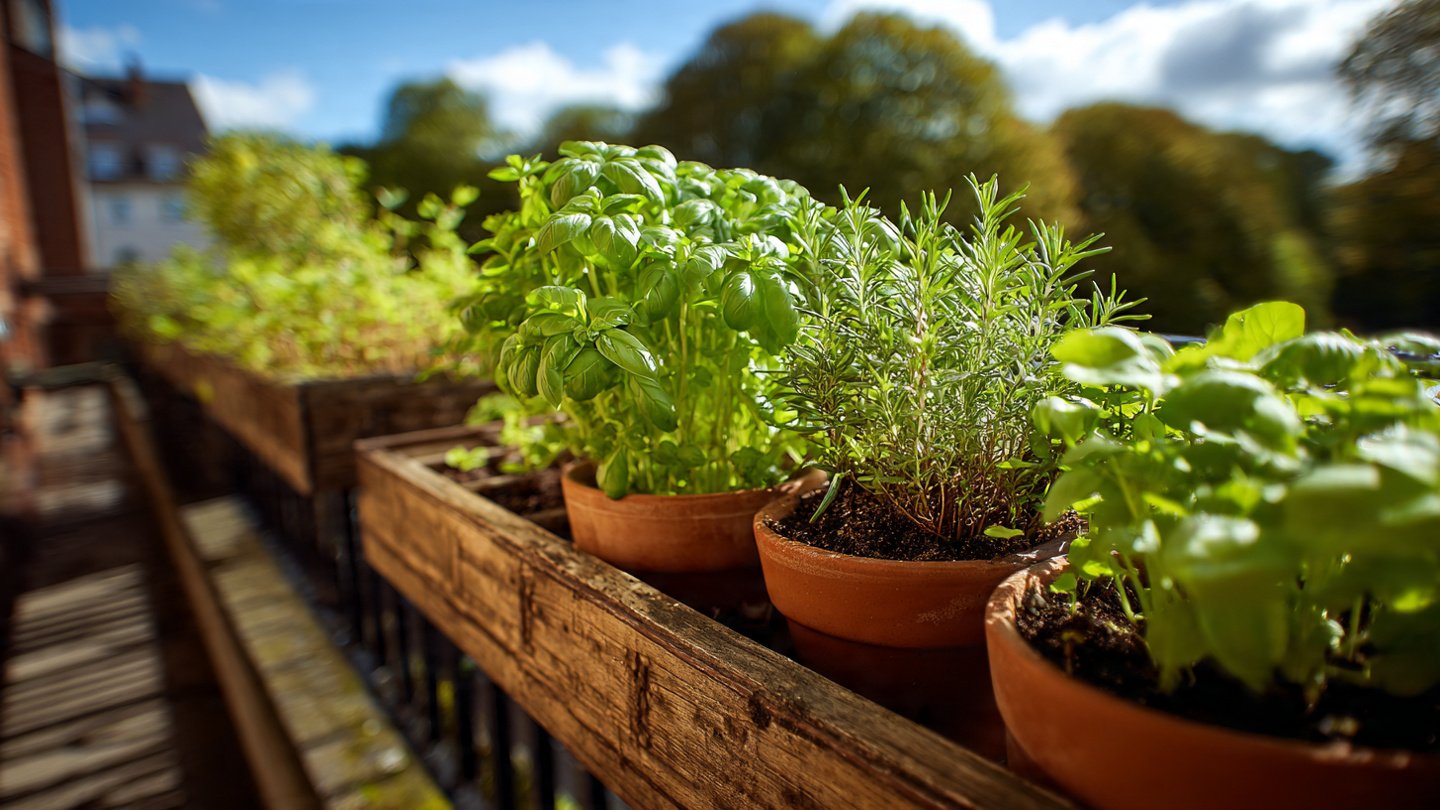
Growing herbs on a balcony is one of the most rewarding ways to enjoy fresh, flavorful ingredients while bringing greenery into your home. If your balcony faces south, you have a major advantage: plenty of sunlight. South-facing balconies receive direct sunlight for most of the day, creating an ideal environment for a wide range of edible herbs. With the right choices and care, you can create a thriving herb garden that provides fresh ingredients for your kitchen year-round. In this article, we’ll explore the top edible herbs for a south-facing balcony and tips for successful container gardening.
Why a South-Facing Balcony is Perfect for Herbs
Sunlight is one of the most critical factors in herb growth. Most herbs are sun-loving plants that require 6–8 hours of direct sunlight each day. A south-facing balcony in the northern hemisphere typically receives the maximum sunlight, making it ideal for herbs that need warmth and brightness to flourish.
- Advantages of South-Facing Exposure:
- Long Sun Hours: More sunlight encourages vigorous growth and better flavor.
- Warmth: South-facing areas tend to be warmer, which many herbs prefer.
- Less Risk of Fungal Problems: Bright sun and good airflow reduce fungal diseases often caused by damp, shady conditions.
With these conditions, you can grow both Mediterranean herbs that love heat and herbs that need consistent sunlight for high-quality leaves.
Choosing Containers for Your South-Facing Herb Garden
Before selecting herbs, it’s essential to choose the right containers. South-facing balconies can get hot, so proper pots and soil are crucial to prevent your herbs from drying out or getting sunburned.
- Pot Material: Terracotta and ceramic pots are ideal as they allow better aeration and drainage. Plastic pots retain more moisture, which can be helpful in extremely hot weather.
- Size: Herbs grow best when roots have enough space. Choose pots that are 6–12 inches deep for most leafy herbs and slightly deeper for root-heavy herbs like rosemary.
- Drainage: Ensure every pot has drainage holes to prevent waterlogging, which can harm herb roots.
- Placement: Rotate pots occasionally to ensure all parts of the plant receive equal sunlight. Consider using shelves or stands to create vertical space and reduce overcrowding.
Top Edible Herbs for a South-Facing Balcony
Here are the most suitable edible herbs that thrive in sunny, south-facing conditions:
1. Basil (Ocimum basilicum)
- Why It Works: Basil loves full sun and warm temperatures, making it perfect for a sunny balcony.
- Care Tips: Water regularly to keep the soil moist but not waterlogged. Pinch back the tips to encourage bushier growth and prevent flowering too early.
- Uses: Fresh basil leaves are perfect for salads, pesto, pasta sauces, and cocktails.
2. Rosemary (Rosmarinus officinalis)
- Why It Works: Rosemary thrives in full sun and tolerates heat and slightly dry soil.
- Care Tips: Plant in well-draining soil and avoid overwatering. Prune regularly to maintain shape and encourage new growth.
- Uses: Ideal for seasoning roasted vegetables, meats, breads, and infused oils.
3. Thyme (Thymus vulgaris)
- Why It Works: A Mediterranean herb that loves hot, sunny conditions. It’s drought-tolerant and low-maintenance.
- Care Tips: Use sandy, well-draining soil and water sparingly. Thyme benefits from occasional pruning to prevent woody growth.
- Uses: Great in soups, stews, roasted dishes, and herbal teas.
4. Oregano (Origanum vulgare)
- Why It Works: Oregano loves full sun and warm temperatures. It grows vigorously and spreads easily in pots.
- Care Tips: Plant in well-draining soil and avoid overwatering. Harvest regularly to encourage fresh, tender leaves.
- Uses: Essential for pizza, pasta sauces, salads, and Mediterranean dishes.
5. Sage (Salvia officinalis)
- Why It Works: Sage thrives in sunny, dry conditions and tolerates heat well.
- Care Tips: Plant in well-draining soil and water moderately. Prune old stems to encourage new growth.
- Uses: Perfect for flavoring meats, stuffing, pasta, and teas.
6. Parsley (Petroselinum crispum)
- Why It Works: Parsley prefers sunny locations but tolerates partial shade. South-facing balconies provide enough light for vigorous growth.
- Care Tips: Keep the soil consistently moist. Cut leaves at the base to encourage continuous growth.
- Uses: Fresh garnish, salads, soups, and sauces.
7. Mint (Mentha spp.)
- Why It Works: Mint loves sun but prefers partial shade in extreme heat. On a south-facing balcony, it’s best planted in a pot with some protection during the hottest part of the day.
- Care Tips: Mint spreads aggressively; always plant in a container to control its growth. Water regularly.
- Uses: Teas, desserts, salads, and cocktails.
8. Chives (Allium schoenoprasum)
- Why It Works: Chives love sunny locations and grow quickly in containers.
- Care Tips: Keep the soil moist and harvest by snipping the leaves from the base. Remove flower heads to maintain leaf production.
- Uses: Salads, omelets, soups, and garnishes.
9. Cilantro/Coriander (Coriandrum sativum)
- Why It Works: Cilantro loves sunlight but can bolt quickly in extreme heat, so occasional afternoon shade is helpful.
- Care Tips: Water regularly and harvest leaves frequently to encourage new growth.
- Uses: Salsa, curries, salads, and garnishes.
10. Lemongrass (Cymbopogon citratus)
- Why It Works: Lemongrass thrives in full sun and warm conditions, making a south-facing balcony ideal.
- Care Tips: Use a deep container for its long roots and water regularly. Trim leaves to prevent overcrowding.
- Uses: Teas, soups, curries, and herbal infusions.
Tips for Maximizing Success on a South-Facing Balcony
Even sun-loving herbs need careful management on a south-facing balcony. Here’s how to get the best results:
1. Watering
South-facing balconies can get hot, especially in summer. Herbs in containers dry out faster, so water consistently but avoid overwatering. Morning watering is ideal to reduce evaporation.
2. Mulching
Adding a thin layer of mulch to pots helps retain moisture, regulate soil temperature, and reduce stress on the plants.
3. Fertilizing
Container herbs benefit from regular feeding. Use organic fertilizers or compost every 3–4 weeks to keep plants healthy and productive.
4. Providing Shade During Peak Heat
Even sun-loving herbs may get scorched during extreme afternoons. Use shade cloth or move portable pots slightly into partial shade during peak heat hours.
5. Pruning and Harvesting
Regularly harvesting leaves encourages bushy growth. Pinch tips of herbs like basil and thyme to promote lateral branching and prevent flowering too early.
6. Container Rotation
Rotate pots occasionally to ensure all sides of the plant receive equal sunlight, which promotes uniform growth.
Seasonal Considerations
- Spring and Summer: Herbs flourish with ample sunlight. Watch for extreme heat in mid-summer and provide extra water and some shade if necessary.
- Autumn: South-facing balconies stay warmer, extending the growing season for many herbs. Remove dead or damaged foliage and continue harvesting.
- Winter: Consider moving tender herbs indoors or using frost protection. South-facing windows can act as a substitute for sunlight during colder months.
Benefits of Growing Herbs on a South-Facing Balcony
- Fresh, Flavorful Ingredients: Always have access to fresh herbs for cooking.
- Health Boost: Many herbs like basil, parsley, and mint offer antioxidants and nutrients.
- Space Optimization: Small balconies can become productive green spaces.
- Cost Savings: Growing your own herbs reduces the need for store-bought options.
- Aesthetic Appeal: Lush herbs add greenery, fragrance, and visual charm to your balcony.
Conclusion
A south-facing balcony is a gardener’s dream for growing edible herbs. With consistent sunlight, careful watering, proper container selection, and regular harvesting, you can cultivate a thriving, productive herb garden. Herbs like basil, rosemary, thyme, oregano, sage, parsley, mint, chives, cilantro, and lemongrass all thrive in sunny conditions and offer endless culinary possibilities.
By understanding the needs of each herb and following best practices—watering, fertilizing, pruning, and occasional shading—you can transform your balcony into a lush, flavorful oasis. South-facing balconies not only allow your herbs to grow vigorously but also provide a beautiful, fragrant, and functional green space that elevates your home and cooking experience.
So, grab some pots, soil, and seeds, and start planting. With the right care, your south-facing balcony can become a bountiful herb garden full of fresh, aromatic, and edible plants all year round.