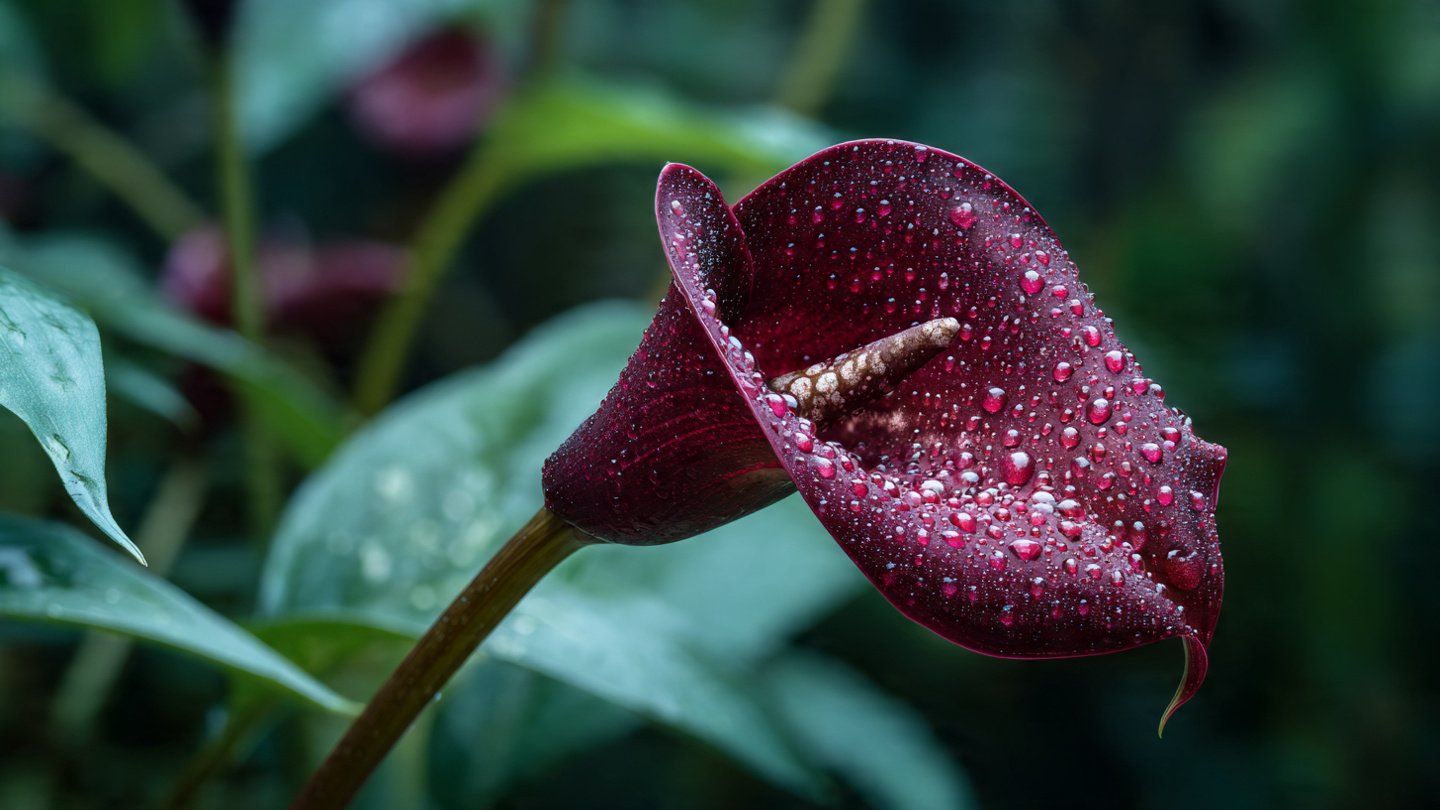
Imagine walking through a garden and catching a whiff of chocolate. Your senses are immediately intrigued, and you look around, expecting to see a candy bar — only to discover a delicate flower releasing that unmistakable cocoa aroma. This phenomenon may seem surprising, even magical, but it’s actually a fascinating example of nature’s sophisticated chemical signaling and evolutionary strategy. In this article, we’ll explore why some flowers smell like chocolate, how this benefits the plant, and the science behind these delightful scents.
The Science of Floral Fragrances
Flowers produce a wide range of scents to communicate with the environment. These fragrances are primarily composed of volatile organic compounds (VOCs) — chemicals that easily evaporate into the air. VOCs serve several purposes:
- Attracting pollinators: Many flowers rely on scent to draw bees, butterflies, beetles, or other pollinators to their blooms.
- Deterring pests: Some compounds repel herbivores or insects that could damage the plant.
- Signaling ripeness or defense: Certain plants release specific fragrances when stressed, damaged, or ready for pollination.
The “chocolate” scent that some flowers produce is one type of VOC combination, including compounds such as phenylacetaldehyde, vanillin, and eugenol. These are the same chemicals found in actual chocolate, which explains why our noses perceive the aroma so vividly.
Flowers Known for Their Chocolate Scent
Several flowers around the world are famous for their chocolate-like fragrance. Here are some notable examples:
1. Chocolate Cosmos (Cosmos atrosanguineus)
- Origin: Native to Mexico.
- Appearance: Deep maroon to almost black petals.
- Fragrance: Rich, sweet chocolate scent, most noticeable in warm weather or direct sunlight.
- Pollination Strategy: Attracts beetles and other pollinators drawn to both scent and color.
Chocolate Cosmos is often grown in gardens for both its unique aroma and striking color, and it’s a favorite among gardeners seeking an unusual sensory experience.
2. Chocolate Lily (Fritillaria camschatcensis)
- Origin: Native to North America and parts of Asia.
- Appearance: Bell-shaped, brownish flowers.
- Fragrance: Subtle chocolate scent with earthy undertones.
- Pollination Strategy: Attracts flies and beetles, which are drawn to its dark color and scent.
Despite the unusual fragrance, Chocolate Lilies are admired for their ornamental value and their ecological role in native habitats.
3. Chocolate-Scented Orchid (Catasetum spp.)
- Origin: Tropical South America.
- Appearance: Varied colors, often green or brownish with intricate patterns.
- Fragrance: Strong chocolate aroma, often at night.
- Pollination Strategy: Orchids often target specific insects, like male bees, which are attracted to the scent for mating-related reasons.
Orchids’ chocolate fragrance is a perfect example of how scent evolution can target highly specific pollinators.
4. Chocolate Mint Flowers (Mentha × piperita var. chocolate)
- Origin: Cultivated variety of mint.
- Appearance: Small purple or pink flowers.
- Fragrance: Combination of minty freshness with chocolatey undertones.
- Pollination Strategy: Attracts bees and butterflies while also being a culinary delight for humans.
Chocolate mint illustrates how humans have enhanced certain scents through cultivation, creating a hybrid that appeals to both senses and taste.
Why Flowers Smell Like Chocolate
The question arises: why would a flower smell like chocolate in the first place? The answer lies in evolution and survival. Plants use scent strategically to communicate with pollinators and protect themselves.
1. Mimicking Rewarding Scents
Many insects are naturally attracted to specific odors. A flower emitting a chocolate scent may be mimicking the smell of food or nectar sources to entice pollinators. For example:
- Beetles and flies: Certain flowers evolved chocolate-like fragrances to attract beetles, which prefer darker, earthy scents.
- Bees: Sweet and familiar aromas like chocolate can guide bees to flowers, ensuring pollination.
By producing a scent that appeals to the target pollinator, flowers increase their chances of reproductive success.
2. Chemical Composition
The chocolate scent comes from VOCs that coincidentally overlap with cocoa compounds. For example:
- Vanillin: The same compound responsible for vanilla flavor also exists in chocolate aromas.
- Eugenol: Found in cloves, cinnamon, and chocolate, it contributes spicy-sweet undertones.
- Phenylacetaldehyde: Common in roses and chocolate-scented flowers, this compound creates a sweet, candy-like fragrance.
These chemicals aren’t intended to smell like chocolate for humans — it’s a pollinator-targeted adaptation, but our senses interpret them as cocoa-like.
3. Heat and Sunlight Amplification
Many chocolate-scented flowers release stronger aromas in warm temperatures or direct sunlight, which intensifies the volatile compounds. This makes the chocolate scent more noticeable in gardens during the day, especially in summer months.
4. Nighttime Fragrances
Some flowers, like certain orchids, emit chocolate scents at night to attract nocturnal pollinators such as moths. Nighttime emission ensures maximum efficiency, attracting the right pollinators while conserving energy.
How Humans Appreciate Chocolate-Scented Flowers
While these scents evolved for pollinators, humans also find them appealing. Chocolate-scented flowers are used in:
- Gardens: For their novelty and olfactory appeal.
- Floristry: Chocolate-scented flowers add depth to bouquets and arrangements.
- Culinary and Aromatherapy Uses: Herbs like chocolate mint are used in teas, desserts, and essential oils.
Growing chocolate-scented flowers in your garden provides a multi-sensory experience, combining visual beauty with unique fragrance.
Tips for Growing Chocolate-Scented Flowers
- Choose the Right Climate: Chocolate Cosmos prefers warm, sunny locations, while orchids may need tropical conditions or greenhouse care.
- Soil Requirements: Well-draining soil with good organic content ensures healthy growth.
- Watering: Most chocolate-scented plants like consistent moisture but avoid waterlogging.
- Pruning and Deadheading: Remove spent flowers to encourage continuous blooms.
- Companion Planting: Plant with other pollinator-friendly species to attract insects naturally.
- Temperature Control: Warm days enhance chocolate fragrance; cold or rainy conditions can reduce scent release.
By following these tips, gardeners can enjoy both the visual and aromatic delights of chocolate-scented flowers.
Fun Facts About Chocolate-Scented Flowers
- Chocolate Cosmos is extinct in the wild but survives in cultivation.
- The scent of chocolate flowers can trigger nostalgic or pleasurable memories in humans, making gardens more enjoyable.
- Some chocolate-scented orchids attract male bees by mimicking pheromones, not chocolate, demonstrating the complexity of floral scent evolution.
These fascinating plants show how nature blends chemistry, biology, and evolution to create sensory wonders.
Conclusion
The chocolate scent of certain flowers is a remarkable intersection of chemistry, biology, and human perception. While these aromas evolved to attract pollinators and ensure survival, humans benefit from their novelty and pleasure. From Chocolate Cosmos to chocolate-scented orchids and mint, these plants demonstrate how scent can be both functional and delightful.
By understanding the science behind these fragrances, gardeners can appreciate not just the aroma but the evolutionary strategy that allows these plants to thrive. Next time you catch a whiff of chocolate in your garden, take a moment to marvel at the intricate natural chemistry that transforms simple blooms into multisensory wonders.