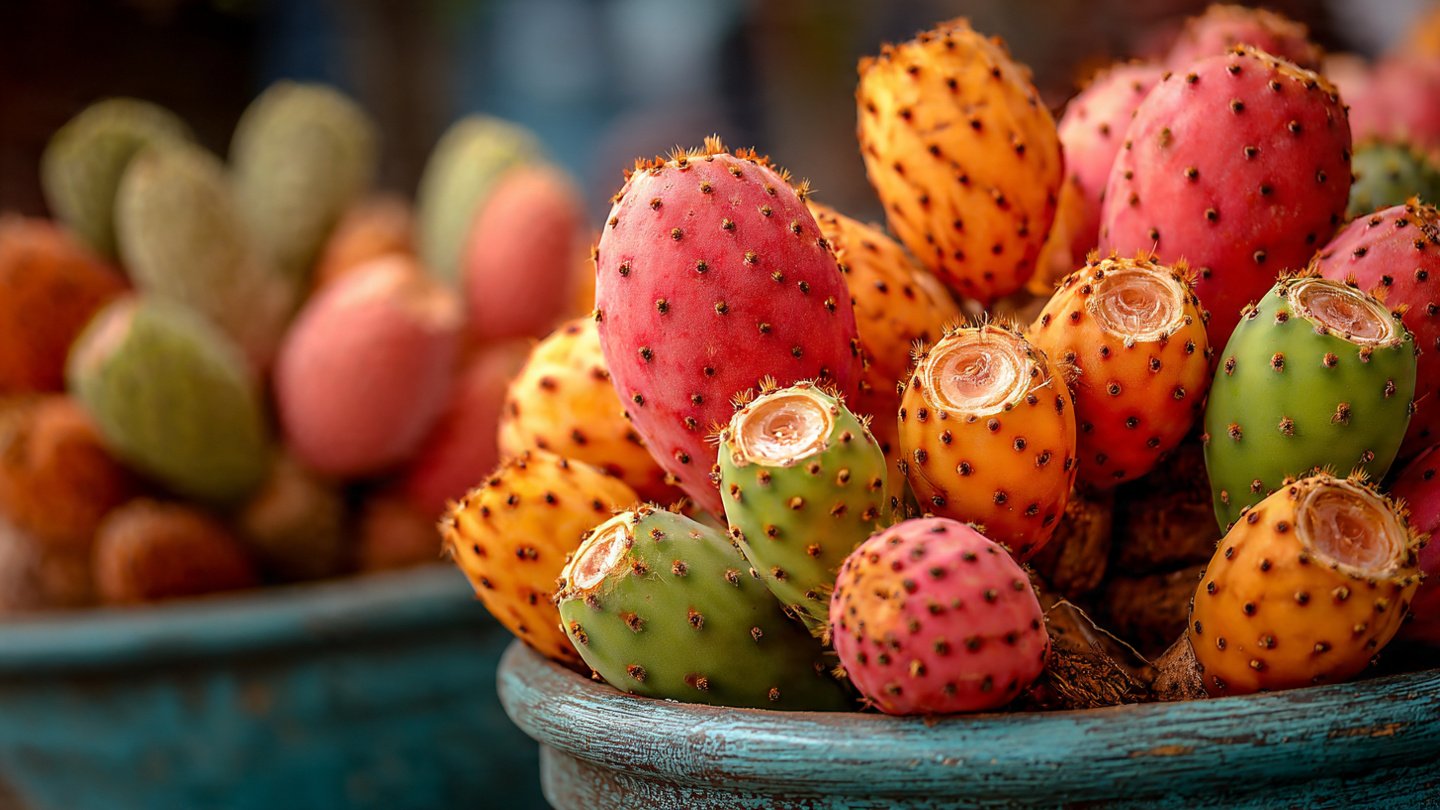
Cactus fruit, often referred to as prickly pear, is one of nature’s most intriguing and delicious gifts from arid landscapes. With its vibrant colors, unique flavor, and nutritional benefits, cactus fruit has gained popularity in recent years, not just as a curiosity, but as a versatile ingredient for culinary and health enthusiasts. Whether you encounter it in a local market, a desert garden, or your own backyard, knowing how to prepare and enjoy cactus fruit safely can unlock a world of sweet, refreshing experiences.
In this comprehensive guide, we will explore everything you need to know about cactus fruit — from understanding its varieties and health benefits to safely harvesting, preparing, and incorporating it into your diet.
What is Cactus Fruit?
Cactus fruit is the edible fruit of the prickly pear cactus (Opuntia species). Native to the Americas, this succulent fruit grows on flat, paddle-shaped cactus pads and is often covered in tiny spines called glochids. The fruit comes in various colors, including bright red, yellow, green, and purple, depending on the species and ripeness.
Prickly pear is not only visually striking but also nutrient-rich. It has a sweet-tart flavor, often compared to a mix of watermelon and kiwi, and can be eaten raw, juiced, or cooked.
Nutritional Benefits of Cactus Fruit
Cactus fruit is more than just a tasty treat — it’s a powerhouse of nutrients:
- Rich in Antioxidants – Contains flavonoids and betalains that help fight free radicals.
- High in Vitamin C – Supports immunity, skin health, and overall wellness.
- Fiber Content – Promotes healthy digestion and aids in weight management.
- Low in Calories – Ideal for a healthy snack without added sugar or fat.
- Minerals – Provides magnesium, calcium, and potassium, essential for heart and bone health.
- Blood Sugar Regulation – Studies suggest that cactus fruit may help in controlling blood sugar levels.
With these health benefits, cactus fruit is not just a delicious indulgence but also a functional food that supports overall wellbeing.
Choosing the Right Cactus Fruit
When selecting cactus fruit, whether from a store or your own garden, keep these tips in mind:
- Color and Ripeness – Look for bright, even-colored fruits with a firm texture. Red and purple fruits are usually sweeter.
- Avoid Soft Spots – Soft or mushy areas may indicate overripeness or spoilage.
- Check for Glochids – Make sure the fruit has minimal spines; some varieties are spineless, making them easier to handle.
Spineless varieties are ideal for beginners, as they reduce the risk of injury while peeling and preparing the fruit.
How to Safely Handle Cactus Fruit
Cactus fruit may have tiny hair-like spines that can irritate the skin. Safe handling is essential:
- Wear Gloves – Use thick gloves to avoid prickly glochids.
- Rinse Under Water – Wash the fruit thoroughly to remove any debris or remaining spines.
- Use a Knife – Cut carefully to avoid contact with spines while peeling.
By taking these precautions, you can safely enjoy cactus fruit without the risk of injury.
Preparing Cactus Fruit for Eating
Once your cactus fruit is clean and safe to handle, it’s time to prepare it. There are several methods depending on whether you plan to eat it fresh, juice it, or cook it:
1. Peeling Fresh Fruit
- Place the fruit on a cutting board and slice off both ends.
- Make a vertical cut through the skin, then carefully peel it away.
- Discard the skin and enjoy the juicy inner flesh.
The flesh can be eaten as-is, added to fruit salads, or blended into smoothies.
2. Cactus Fruit Juice
- Peel the fruit as described above.
- Blend the flesh with a small amount of water.
- Strain the juice to remove seeds, if desired.
- Add lemon juice or honey for extra flavor.
Cactus fruit juice is refreshing, hydrating, and packed with antioxidants.
3. Cooking with Cactus Fruit
Cactus fruit can also be used in jams, jellies, syrups, and desserts:
- Jam – Combine peeled fruit with sugar and cook until thickened.
- Syrup – Boil with water and sugar, strain, and use in beverages or pancakes.
- Desserts – Incorporate pulp into sorbets, ice creams, or fruit tarts.
Cooking enhances the sweetness of cactus fruit while maintaining its unique flavor.
Delicious Ways to Enjoy Cactus Fruit
Cactus fruit’s versatility allows it to be enjoyed in multiple ways:
- Raw and Fresh – Simply peeled and sliced, ideal for snacking or fruit bowls.
- Smoothies – Blend with other fruits like banana, pineapple, or berries for a tropical drink.
- Salads – Dice cactus fruit and mix with leafy greens, feta cheese, and a light vinaigrette.
- Jams and Jellies – Spread on toast or use in desserts.
- Cactus Fruit Ice Pops – Puree the fruit with a bit of lime and freeze for a refreshing treat.
- Cocktails and Mocktails – Mix juice into drinks for a colorful and exotic twist.
Its sweet-tart flavor pairs well with citrus, berries, and tropical fruits, adding a unique dimension to culinary creations.
Storing Cactus Fruit
Proper storage ensures cactus fruit remains fresh and flavorful:
- Room Temperature – Unpeeled fruit can stay fresh for 3–5 days at room temperature.
- Refrigeration – Peeled fruit or juice can be stored in airtight containers in the refrigerator for up to 1 week.
- Freezing – Pureed cactus fruit freezes well for smoothies or desserts, retaining flavor and nutrients.
By storing cactus fruit properly, you can enjoy it for longer without losing its natural sweetness and nutritional value.
Growing Your Own Cactus Fruit
For those inspired to grow cactus fruit at home, prickly pear cactus is relatively easy to cultivate:
- Planting – Use a well-draining soil mix and plant in full sunlight.
- Watering – Cacti are drought-tolerant, so water sparingly, allowing soil to dry between watering.
- Propagation – Cactus can be propagated from pads (cladodes). Simply cut a healthy pad, let it dry for a few days, and plant in soil.
- Flowering and Fruiting – With adequate sunlight and care, cactus can flower and produce fruit in 1–2 years, depending on the variety.
- Harvesting – Pick fruits when brightly colored and firm, usually after cactus flowers fade.
Growing cactus fruit at home offers a sustainable source of this nutritious treat and adds ornamental value to your garden or balcony.
Health Benefits of Cactus Fruit
Eating cactus fruit regularly offers several health advantages:
- Antioxidant Protection – Reduces oxidative stress and supports healthy aging.
- Hydration – High water content keeps you hydrated, especially in hot climates.
- Digestive Health – Fiber aids in regular bowel movements and gut health.
- Immune Support – Vitamin C content strengthens the immune system.
- Blood Sugar Management – May help regulate glucose levels in people with diabetes.
Cactus fruit is a natural, nutrient-dense food that supports both overall wellness and culinary enjoyment.
Tips for Maximum Enjoyment
- Choose Fully Ripe Fruit – Ripe cactus fruits are sweeter and juicier.
- Handle Carefully – Always use gloves or utensils to avoid prickly spines.
- Experiment with Recipes – Don’t be afraid to try new desserts, drinks, or salads.
- Combine with Citrus – Lime or lemon enhances the natural flavor of the fruit.
- Pair with Herbs – Mint or basil adds freshness to cactus fruit dishes.
With these tips, you can enjoy cactus fruit in a variety of ways while unlocking its full flavor potential.
Conclusion
Cactus fruit is a true desert treasure — vibrant, nutritious, and versatile. By learning how to safely handle, prepare, and enjoy this unique fruit, anyone can experience its sweet-tart flavor and health benefits. Whether eaten fresh, juiced, cooked, or incorporated into desserts and drinks, cactus fruit offers endless culinary possibilities.
Growing your own prickly pear cactus adds sustainability and ensures a consistent supply of fresh fruits. With proper care and handling, cactus fruit can become a regular part of your diet, delighting your taste buds and supporting your health.
Unlock the secrets of this natural desert treat today, and discover why cactus fruit has been cherished for centuries — a flavorful, nutritious, and fascinating addition to your home garden and kitchen.