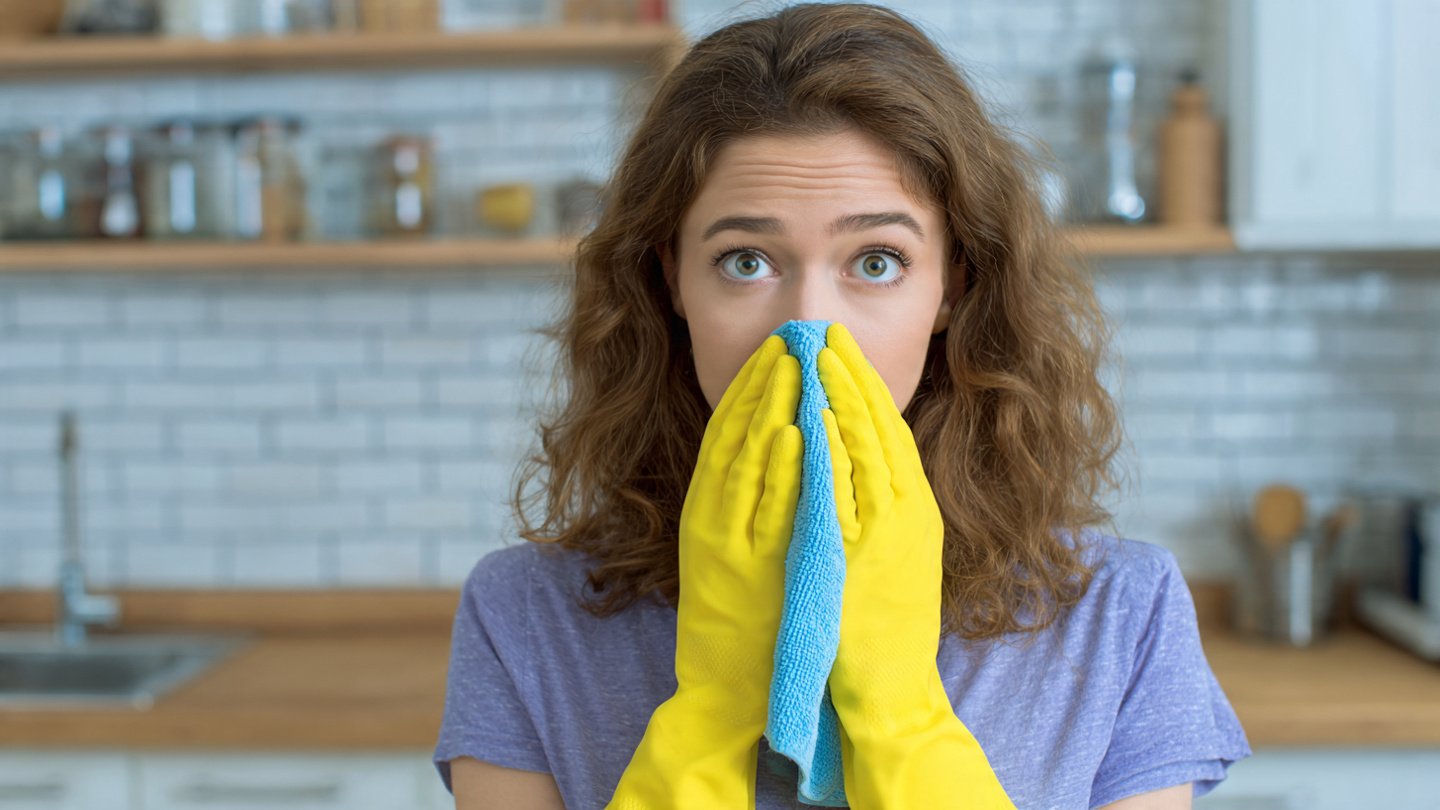
A clean kitchen is often associated with a fresh, inviting aroma. However, many homeowners find themselves puzzled when, despite scrubbing counters, washing dishes, and sanitizing surfaces, their kitchen still carries an unpleasant odor. Persistent kitchen smells are not just annoying—they can signal underlying hygiene, plumbing, or appliance issues. Understanding why your kitchen smells bad even after cleaning is the first step to eliminating odors and keeping your home healthy and inviting.
1. The Role of Hidden Food Particles
Even after a thorough cleaning, tiny food residues can linger in places you might not immediately notice. These microscopic scraps, especially from proteins, grease, or sugary substances, can start to decompose, producing foul odors over time.
- Under appliances: Areas under the refrigerator, oven, or dishwasher often trap crumbs, spills, and grease. Because these spaces are less visible, they can go unnoticed during routine cleaning.
- Inside drains: Food particles caught in sink drains or garbage disposals decompose quickly, creating sulfurous, rotten-egg-like smells.
- Cabinets and shelves: Spills inside cabinets or behind pantry items can accumulate, leading to musty or moldy odors.
Even minor overlooked residues can be a significant source of persistent odors. Using tools like flexible brushes or removing appliance covers can help you access and clean these hidden areas.
2. Garbage Disposal and Sink Drains
The kitchen sink and garbage disposal are notorious odor culprits. Even when you run hot water and soap, grease, food particles, and bacterial buildup can create strong smells.
- Bacterial growth: Drains are warm, moist environments that encourage bacterial growth. The breakdown of these bacteria produces unpleasant smells.
- Trapped debris: Bits of food often get lodged in the disposal blades, rubber gaskets, or drain pipes, slowly decomposing.
- Solutions: Regularly flush drains with hot water, baking soda, and vinegar. Occasionally grind citrus peels in the disposal to neutralize odors and leave a fresh scent.
A neglected disposal or poorly maintained drain can make your kitchen smell bad, even if the rest of the space is sparkling clean.
3. Refrigerator and Freezer Issues
Refrigerators are designed to preserve food, but they can also trap odors if not cleaned properly. Even sealed containers can leak or spill unnoticed.
- Hidden spills: Small spills in the back of shelves or drawers often go unnoticed and can ferment over time.
- Expired food: Overripe vegetables, fruits, or forgotten leftovers emit gases that permeate the fridge and the surrounding kitchen.
- Temperature problems: A malfunctioning fridge or freezer may not keep food cold enough, accelerating decomposition and odor formation.
- Solution: Empty the fridge and clean all shelves, drawers, and gaskets with warm soapy water and a mild disinfectant. Keep a box of baking soda inside to absorb lingering odors.
Even a well-maintained kitchen can smell bad if the refrigerator or freezer harbors unnoticed spoiled food.
4. Grease Buildup on Surfaces and Appliances
Cooking produces airborne oils and grease that settle on walls, cabinets, stovetops, and range hoods. Over time, these layers trap odors.
- Microscopic grease particles: These are sticky and attract dust and food debris, which can combine to produce rancid smells.
- Ventilation issues: Range hoods with clogged filters may fail to vent smoke and grease properly, allowing odors to linger.
- Hidden appliance grease: Inside ovens, microwaves, or toasters, grease residues can accumulate and release unpleasant aromas when heated.
- Solution: Regularly wipe down walls, backsplash tiles, and appliance surfaces. Clean oven interiors and change range hood filters periodically.
Without consistent maintenance, grease accumulation can create a lingering odor even in a seemingly clean kitchen.
5. Mold and Mildew Growth
Mold and mildew thrive in warm, damp environments, and kitchens provide multiple spots for growth. These fungi are not only smelly but potentially harmful to health.
- Under sinks: Moist areas under the sink or around plumbing leaks can develop mold.
- Behind appliances: Condensation and hidden spills can create damp environments conducive to mold.
- In cabinets: Leaky containers, spills, or high humidity can lead to mildew inside cabinets.
- Detection: Musty, earthy odors are often indicative of mold. Visible signs may include black, green, or white patches in corners or behind appliances.
- Solution: Address any leaks, use moisture absorbers, and clean mold-prone areas with vinegar, baking soda, or commercial mold cleaners. Proper ventilation is crucial.
Persistent musty smells are often a sign of hidden mold or mildew that simple surface cleaning cannot eliminate.
6. Plumbing Problems
Sometimes kitchen odors persist due to plumbing issues beyond simple food debris.
- Dry P-traps: The P-trap under sinks holds water to prevent sewer gases from entering your kitchen. If the sink isn’t used frequently, the water can evaporate, allowing odors to escape.
- Clogged or slow drains: Even minor clogs can cause stagnant water and bacterial growth, resulting in a bad smell.
- Sewer line problems: Damaged or blocked pipes can produce strong, persistent odors that infiltrate your kitchen.
- Solution: Pour water into unused sinks regularly, use enzyme-based drain cleaners, and consult a plumber for persistent or severe issues.
Plumbing issues are often overlooked but can be a hidden source of foul kitchen odors.
7. Trash and Compost Management
Even with regular trash disposal, residual odors can linger from garbage bins or compost containers.
- Leaking trash bags: Spilled liquids at the bottom of trash bins create odor hotspots.
- Improperly managed compost: Organic waste can ferment quickly, especially in warm conditions.
- Trash can liners: Old liners may harbor residues from previous trash, perpetuating smells.
- Solution: Clean bins with hot water and disinfectant, use tight-fitting lids, and replace liners regularly. Compost bins should be maintained with proper aeration and balance of green and brown material.
Odors from trash and compost can easily permeate the kitchen if not managed carefully.
8. Odor Absorption by Materials
Certain kitchen materials, like wood, plastic, and fabric, can absorb odors over time.
- Wooden cutting boards: Porous surfaces can trap food smells even after washing.
- Fabric items: Dish towels, curtains, or rugs can hold cooking odors and release them continuously.
- Plastic containers: Some plastics absorb strong-smelling foods, like garlic or fish.
- Solution: Clean wooden boards with vinegar or salt scrubs, launder fabric items regularly, and replace or deep-clean plastic containers prone to odor absorption.
Persistent odors may remain even after cleaning if absorbed by materials in the kitchen.
9. Psychological Perception of Smell
Sometimes the kitchen may feel smelly even after cleaning due to lingering compounds that are below the level of visible dirt. Humans are sensitive to certain odor molecules, and these can linger in the air or on surfaces long after cleaning.
- Residual cooking smells: Spices, fried foods, or burnt residues can leave volatile compounds in the air.
- Air circulation: Poor ventilation traps odors and prevents them from dissipating.
- Solution: Use exhaust fans, open windows, and employ activated charcoal or baking soda to absorb stubborn airborne odors.
Even if surfaces appear spotless, the air itself can retain odors that affect your perception of cleanliness.
10. Prevention Strategies for a Fresh-Smelling Kitchen
Preventing kitchen odors is easier than combating them after they become ingrained. Key strategies include:
- Regular deep cleaning: Beyond daily wiping, clean hidden corners, appliance interiors, and under sinks weekly.
- Proper waste management: Empty trash regularly, rinse compost containers, and keep bins clean.
- Ventilation: Use exhaust fans, open windows, and circulate air to prevent lingering smells.
- Drain maintenance: Flush drains with hot water and baking soda routinely.
- Appliance care: Regularly clean fridges, ovens, and microwaves, and replace range hood filters.
- Moisture control: Fix leaks promptly, use dehumidifiers, and keep damp areas dry to prevent mold.
Implementing these strategies ensures a kitchen that smells fresh, even after heavy cooking.
Conclusion
A kitchen that smells bad even after cleaning is rarely a sign of laziness—it often points to hidden food particles, grease buildup, mold, plumbing issues, or absorbed odors in materials. By understanding the underlying causes, you can address these problems effectively and create a kitchen that truly feels fresh and inviting.
Routine cleaning, proper ventilation, attentive plumbing care, and proactive odor prevention are the keys to maintaining a pleasant-smelling kitchen. With these strategies, your kitchen can stay not just clean in appearance but also fresh in scent, transforming it into a welcoming heart of the home.