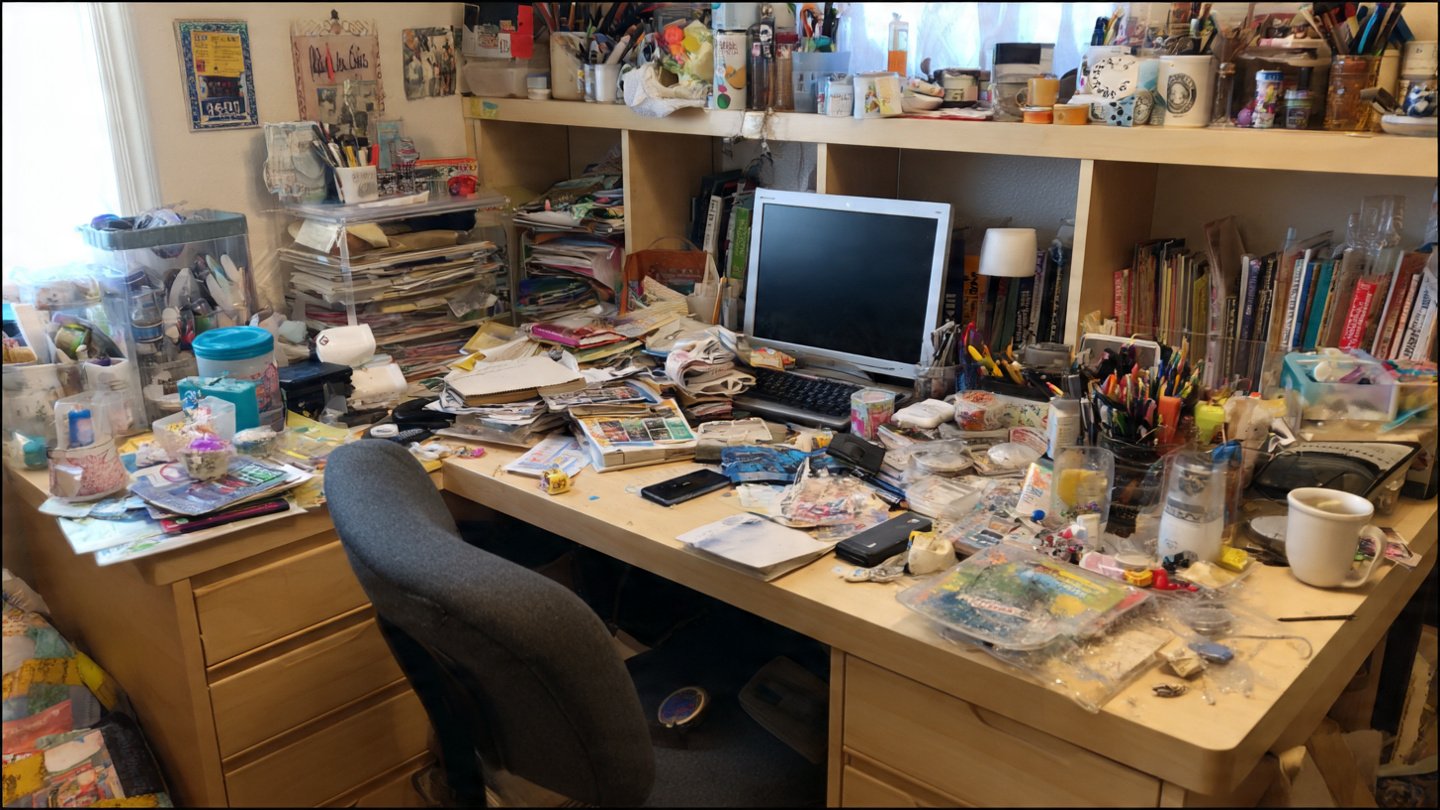
Clutter is one of the most common sources of frustration in modern homes. No matter how thoroughly you clean or organize, it often seems to reappear daily, creating stress and a sense of chaos. This phenomenon isn’t just a matter of laziness or poor habits—it’s rooted in psychology, lifestyle patterns, and environmental factors. Understanding why clutter returns and learning how to manage it effectively can help you reclaim a sense of calm, order, and control in your home.
Why Clutter Returns Daily: The Psychological Perspective
Clutter isn’t merely a physical issue—it’s closely tied to how our brains work. Several psychological factors contribute to the daily return of clutter:
1. Decision Fatigue
Every day, we make countless small decisions: what to wear, what to eat, which email to answer first. When it comes to organizing, even minor choices—like where to put a pair of shoes or how to file a bill—can feel overwhelming. Over time, this decision fatigue causes items to pile up because your brain opts for the path of least resistance: leaving things where they are.
2. Attachment to Objects
Many people hold onto possessions for sentimental reasons or because of perceived value. Old letters, gifts, or even partially used household items can trigger emotional attachment, making it difficult to discard them. These attachments contribute to clutter returning, as items that aren’t truly integrated into your daily life continue to accumulate.
3. Invisible Habits
Daily routines often involve unconscious actions that create clutter. For example:
- Setting down keys, mail, or groceries in the first convenient spot.
- Leaving laundry or dishes out temporarily, intending to return to them later.
- Piling books, magazines, or kids’ toys in accessible areas.
Even if your home starts the day organized, these automatic habits can generate clutter without noticing.
4. Cognitive Overload
Modern life involves juggling multiple responsibilities—work, family, social obligations—which can increase mental load. When the brain is preoccupied, maintaining physical order may not be prioritized. As a result, clutter returns naturally as attention shifts elsewhere.
Environmental Factors That Encourage Clutter
Your surroundings can also make clutter more likely to accumulate:
- Limited storage space: If you don’t have enough designated spots for items, things will inevitably be left out.
- Open-plan living spaces: While open layouts are aesthetically pleasing, they often lack hidden storage, making clutter more visible.
- High-traffic areas: Entryways, kitchens, and living rooms see constant activity, making them hotspots for daily clutter.
Understanding these environmental triggers is crucial to developing strategies that prevent clutter from reappearing.
How Clutter Affects Mental and Emotional Health
Clutter isn’t just a nuisance—it has tangible effects on mental clarity and emotional well-being:
- Stress and Anxiety: Visual clutter signals unfinished tasks, triggering stress responses.
- Decreased Productivity: Cluttered spaces make it harder to focus and process information efficiently.
- Reduced Sleep Quality: A messy bedroom can interfere with relaxation and restorative sleep.
- Emotional Drain: Constant exposure to disorder can leave you feeling overwhelmed, frustrated, or guilty.
Recognizing these consequences underscores the importance of actively managing clutter rather than ignoring it.
Practical Strategies to Manage Daily Clutter
While it’s impossible to eliminate clutter entirely, you can significantly reduce its impact and prevent it from returning as quickly. Here are some effective strategies:
1. Adopt the “One Touch” Rule
The “one touch” rule encourages dealing with an item immediately rather than setting it down for later. For example:
- Put mail directly in a filing system rather than leaving it on the counter.
- Hang coats and bags immediately after entering the house.
- Wash or load dishes immediately instead of leaving them in the sink.
This approach minimizes the opportunity for clutter to accumulate.
2. Designate Zones for Items
Assign a specific place for everything:
- Keys, wallets, and sunglasses go in a bowl or hook near the entrance.
- Mail and documents go in a filing tray or box.
- Kids’ toys go in labeled bins or baskets.
Having designated zones makes tidying easier and reduces decision fatigue, as your brain knows exactly where items belong.
3. Declutter Regularly
Daily clutter management is easier if you reduce the overall number of possessions.
- Perform weekly decluttering sessions, focusing on one area at a time.
- Ask yourself: “Do I use this? Do I love this? Does this serve a purpose?”
- Donate, recycle, or discard items that no longer add value.
The less you own, the less clutter can return.
4. Create Daily Routines
Small, consistent routines help prevent clutter from accumulating:
- Morning Routine: Make the bed, clear countertops, and put away items left out overnight.
- Evening Routine: Do a quick sweep of high-traffic areas, return items to their designated zones, and prepare for the next day.
Routines reinforce habits and make clutter management automatic over time.
5. Use Storage Solutions Wisely
Proper storage is key to controlling daily clutter:
- Baskets and bins: Perfect for corralling small items.
- Drawer dividers: Keep utensils, office supplies, and personal items organized.
- Shelves and hooks: Utilize vertical space to free up surfaces.
- Multi-purpose furniture: Ottoman storage or coffee tables with compartments hide clutter without sacrificing style.
Storage is most effective when paired with regular decluttering and organization.
6. Practice Mindful Acquisition
Clutter often returns because we continually bring new items into the home.
- Before purchasing, ask: “Do I need this? Do I have space for it? Will it truly add value?”
- Adopt the “one in, one out” rule: for every new item you bring home, remove an old one.
Mindful acquisition reduces the influx of clutter and keeps your home manageable.
7. Involve the Whole Household
Clutter management is more effective when everyone in the household participates:
- Assign age-appropriate tasks to children, like putting away toys.
- Encourage partners or roommates to follow designated zones and routines.
- Make decluttering a shared activity to reduce individual stress and improve accountability.
Tools and Techniques to Support Clutter Management
- Timers and Challenges: Set a timer for 10–15 minutes and focus solely on tidying. Short bursts are often more sustainable than long cleaning sessions.
- Labeling Systems: Labels reduce confusion about where items belong, making it easier for everyone to maintain order.
- Checklists: Daily and weekly cleaning checklists help track progress and reinforce habits.
- Apps and Digital Reminders: Technology can prompt clutter management, such as reminders to file documents or return items to storage zones.
The Psychological Benefits of Managing Clutter Daily
By actively managing daily clutter, you gain multiple psychological and emotional benefits:
- Enhanced Mental Clarity: A tidy environment allows your mind to focus on meaningful tasks without distraction.
- Reduced Stress: Less visible chaos leads to lower cortisol levels and improved emotional balance.
- Increased Productivity: Clear spaces streamline routines and allow for efficient task completion.
- Greater Sense of Control: Managing your environment fosters confidence and empowerment in other areas of life.
- Improved Relationships: Shared spaces feel more comfortable and inviting when clutter is under control.
Conclusion
Clutter may return daily, but understanding the psychological, environmental, and habitual reasons behind it equips you to manage it effectively. Daily clutter isn’t a reflection of laziness or disorganization—it’s a natural byproduct of modern life, decision fatigue, and human habits.
By implementing strategies such as the one-touch rule, designated zones, regular decluttering, storage solutions, and household routines, you can significantly reduce clutter’s recurrence. Mindful acquisition and involving everyone in the household further ensure a clean and orderly environment.
Ultimately, managing daily clutter is not just about tidiness—it’s about mental clarity, emotional well-being, and a sense of control. A well-maintained home supports focus, reduces stress, and creates a space where you can thrive. By taking small, consistent actions, you can reclaim your home from clutter and enjoy a calm, organized environment every day.