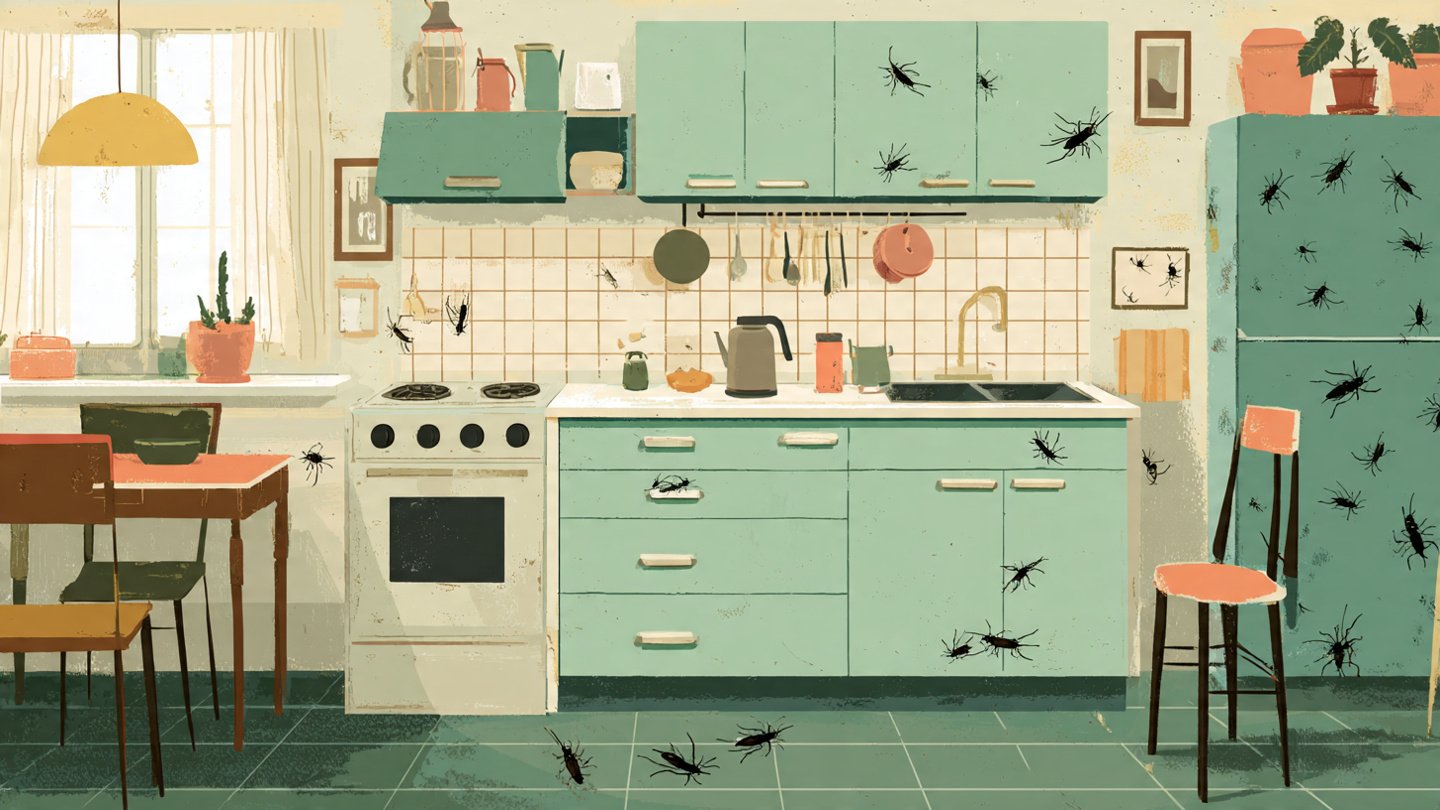
Keeping a kitchen clean is a point of pride for many homeowners. Scrubbing counters, sweeping floors, and meticulously organizing pantries gives a sense of order and hygiene. Yet, despite these best efforts, many people are puzzled to find insects—ants, fruit flies, cockroaches, or pantry moths—still appearing in their kitchens. How is it possible for pests to invade even the cleanest kitchens? The answer lies in understanding the behavior of insects, their survival instincts, and how kitchens, no matter how spotless, can unintentionally become attractive to them.
1. Insects Are Master Opportunists
Insects are nature’s ultimate opportunists. Their survival strategies allow them to detect, locate, and exploit food and shelter with remarkable efficiency. Even a small crumb, a drop of juice, or the scent of food from a distance can draw them in.
- Ants: These tiny creatures have sophisticated pheromone trails that guide others in the colony to food sources. Once one ant finds a crumb or residue, dozens can quickly follow, even if your kitchen appears pristine.
- Fruit Flies: Attracted to fermenting fruits, vegetables, and even residues in drains, fruit flies can detect rotting produce from far away. A single overripe banana or a damp sponge can be enough to sustain a small colony.
- Cockroaches: Cockroaches are nocturnal scavengers that can survive for weeks without food. They seek moisture, warmth, and shelter, making kitchens an ideal environment, even if food surfaces are clean.
Understanding these behaviors is key to realizing that cleanliness alone, while crucial, may not entirely prevent infestations.
2. Invisible Residues and Spills
One of the main reasons insects appear in clean kitchens is that they are attracted to invisible food residues.
- Sugar and crumbs: Even trace amounts of sugar, flour, or crumbs can draw ants and cockroaches. These residues are often left behind after cooking, spills, or food prep and may be invisible to the naked eye.
- Sticky surfaces: Grease on counters, stovetops, or appliances can be appealing to insects. They may land and feed on oil residues you thought were cleaned away.
- Hidden spills: Spills that seep into cracks, seams, or behind appliances create micro-food sources that sustain pests.
Insects have acute chemical senses far more sensitive than humans. What seems perfectly clean to us may still be a buffet for them.
3. Moisture: A Magnet for Pests
Insects aren’t just after food—they’re also seeking water and moisture. Even clean kitchens often provide ample water sources:
- Drains and sinks: Fruit flies and drain flies breed in damp organic matter inside sinks and pipes.
- Leaky pipes: Tiny leaks under the sink or around appliances attract cockroaches and ants.
- Condensation: Moisture accumulating around dishwashers, refrigerators, or window sills can create favorable conditions for insects.
Controlling moisture is as important as removing food residues when preventing pests. Regularly drying sinks, wiping counters, and checking for leaks are critical steps.
4. Food Storage Practices Matter
A clean kitchen is only as effective as your food storage habits. Improper storage can make your kitchen vulnerable:
- Open containers: Even airtight containers that are not fully sealed can emit scents that attract fruit flies, ants, or pantry moths.
- Overripe produce: Fresh fruits and vegetables, especially if left out on the counter, can ferment and attract flies.
- Pantry items: Grains, cereals, and nuts stored in cardboard boxes can be penetrated by insects. Pantry moths can lay eggs in seemingly untouched food.
Regularly inspecting and rotating pantry items, and storing foods in properly sealed containers, helps minimize these risks.
5. Entry Points Are Often Overlooked
Even a perfectly maintained kitchen can’t stop insects if they have easy entry points. Small cracks, gaps around windows, doors, and baseboards, or tiny openings where pipes enter walls provide easy access.
- Ants: Can enter through cracks as thin as a dime, often creating a trail straight to food sources.
- Cockroaches: Can squeeze through gaps around plumbing, electrical outlets, and appliances.
- Fruit flies: Can appear through vents or open windows, especially in homes near gardens or fruit-bearing trees.
Sealing gaps, installing door sweeps, and using screens on vents can dramatically reduce the likelihood of intrusions.
6. Hidden Breeding Grounds
Even in a clean kitchen, hidden areas provide ideal breeding grounds for insects. These spaces often go unnoticed during routine cleaning:
- Behind appliances: Refrigerators, ovens, and dishwashers accumulate dust, crumbs, and grease.
- Cabinet corners and edges: Spilled flour, sugar, or pet food that falls behind cabinets can persist unnoticed.
- Trash bins and recycling areas: Organic waste, even in small amounts, attracts flies and ants.
Regular deep cleaning—moving appliances, checking corners, and sanitizing trash areas—can eliminate these hidden havens.
7. Seasonal and Environmental Factors
Insects are influenced by seasonal changes and environmental conditions. Even if your kitchen is immaculately clean, external factors can cause temporary infestations:
- Weather shifts: Warm weather, rain, or drought can drive insects indoors in search of food, water, or shelter.
- Nearby gardens or compost piles: These provide food and attract insects that may eventually explore indoor areas.
- Neighboring properties: In apartment buildings or closely packed homes, pests can travel through walls, vents, and shared spaces.
Understanding these factors helps set realistic expectations about occasional insect visits despite rigorous cleaning.
8. Effective Preventive Measures
So, how can you truly minimize the presence of insects in a clean kitchen? Here are some proven strategies:
- Thorough cleaning: Wipe surfaces with mild detergents, clean spills immediately, and sweep or vacuum floors daily.
- Control moisture: Fix leaks, dry sinks, and maintain proper ventilation to reduce dampness.
- Proper food storage: Use airtight containers, refrigerate perishable items, and inspect pantry foods regularly.
- Seal entry points: Caulk cracks, use door sweeps, and cover vents or openings.
- Deep cleaning schedules: Periodically clean behind appliances, under cabinets, and inside trash areas.
- Pest monitoring: Use sticky traps or natural deterrents like bay leaves, vinegar, or essential oils to detect and repel insects.
By combining cleanliness with proactive pest management, you significantly reduce the chance of infestations.
9. When Professional Help Is Needed
Sometimes, despite all preventive efforts, pests persist. If you notice recurring infestations or signs of extensive breeding—like droppings, egg casings, or consistent sightings of multiple species—it may be time to consult a professional pest control service. Experts can identify hidden entry points, sources of infestations, and provide treatments that are safe for kitchens and food areas.
Conclusion
It can be frustrating to maintain a sparkling clean kitchen only to see ants crawling across the counter or fruit flies hovering over a fruit bowl. The truth is, cleanliness is only part of the solution. Insects are resilient, opportunistic, and incredibly sensitive to even tiny traces of food, moisture, and shelter. By understanding their behavior, controlling moisture, storing food properly, sealing entry points, and maintaining deep cleaning routines, you can greatly reduce their presence.
Remember, a kitchen free of pests is not just about appearances—it’s about creating an environment where insects cannot thrive. Even a few simple changes can prevent many unwanted guests, allowing you to enjoy a clean, healthy, and insect-free kitchen for months to come.
With knowledge, diligence, and consistent practices, you can outsmart even the cleverest of kitchen invaders. After all, it’s not just about cleaning—it’s about understanding the world from the perspective of the very creatures you’re trying to keep out.