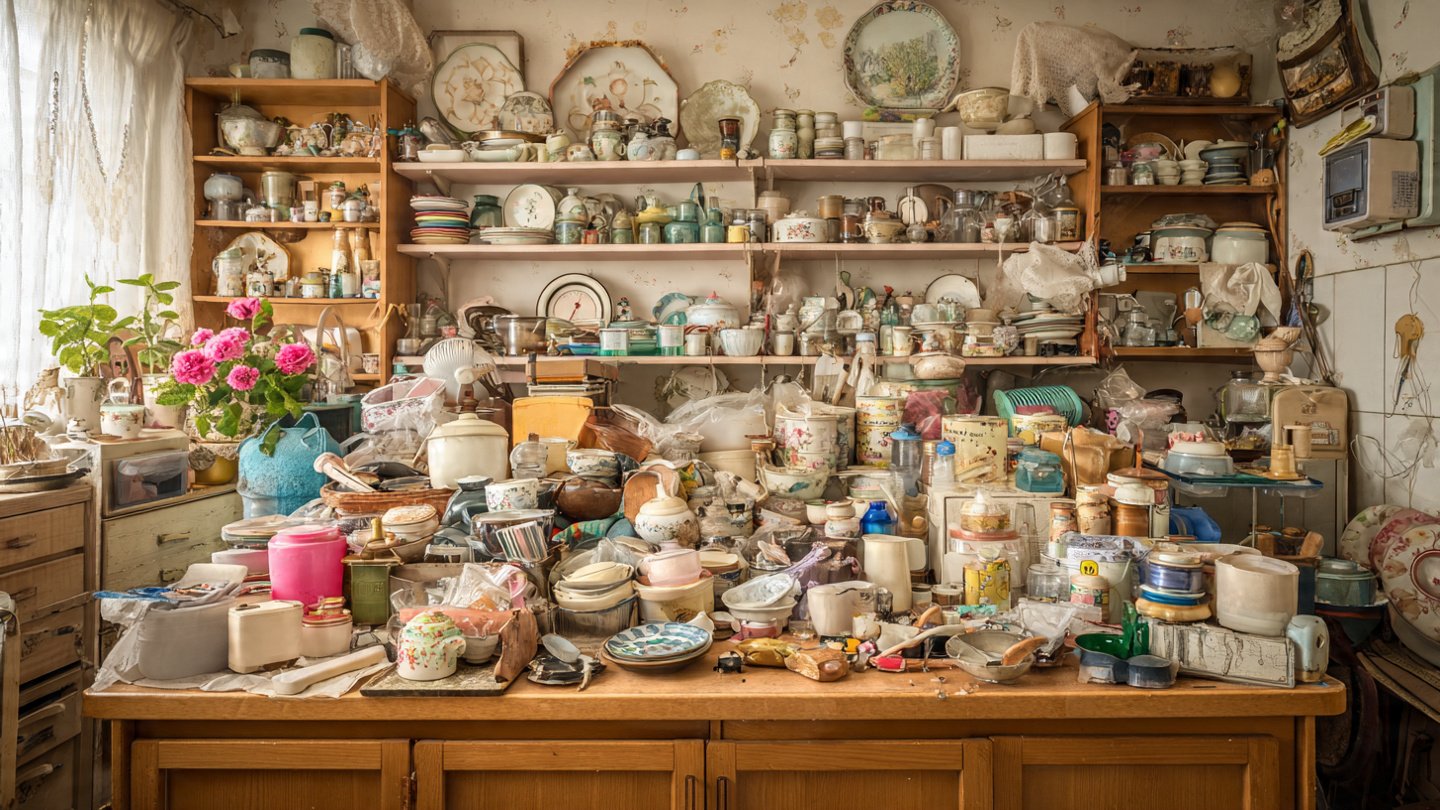
Clutter — it creeps into our homes quietly, often unnoticed until it becomes overwhelming. Many of us wonder why, despite our best efforts to keep our spaces organized, items seem to multiply overnight. Understanding daily clutter accumulation is key to managing it effectively. By examining why clutter builds up, the types of clutter, and practical strategies for prevention, homeowners can maintain cleaner, calmer, and more functional living spaces.
What is Daily Clutter Accumulation?
Daily clutter accumulation refers to the gradual increase of items, objects, and miscellaneous materials in a home over time. Unlike major hoarding issues, daily clutter often results from small, seemingly inconsequential habits: leaving mail on the counter, letting dishes pile up, or placing jackets on chairs. Over days and weeks, these small behaviors compound, creating visible disorganization.
Clutter is more than just a cosmetic issue. Psychologists suggest that clutter can affect mental well-being, increasing stress, reducing focus, and impacting productivity. By understanding how clutter accumulates, individuals can identify triggers and implement solutions before it becomes unmanageable.
Common Sources of Daily Clutter
Daily clutter typically stems from a combination of lifestyle habits, home environment, and human behavior. Some of the most common sources include:
1. Paperwork and Mail
Even in the digital age, paper continues to accumulate. Bills, magazines, newspapers, and letters often end up on countertops, desks, or dining tables. Without a dedicated system for sorting, filing, or recycling, paper clutter multiplies quickly.
2. Personal Items
Clothing, shoes, bags, and accessories are frequent contributors. Often, these items are left in common areas instead of their designated storage spaces. For example, jackets draped over chairs or shoes left by the door are everyday clutter culprits.
3. Kitchen and Dining Accumulation
The kitchen is another hotspot for clutter. Dishes, cooking utensils, spice jars, and small appliances can quickly overwhelm countertops. Busy schedules often prevent timely cleaning, allowing clutter to build silently.
4. Digital Clutter
Though not physical, digital clutter contributes to mental clutter. Emails, notifications, files, and messages can create cognitive overload, affecting your perception of physical space as well. This invisible clutter can amplify the feeling of disorganization in your home.
5. Sentimental or Decorative Items
While memories and décor enhance a home’s character, excessive collectibles, souvenirs, and knick-knacks often contribute to clutter. Without regular curation, these items accumulate on shelves, tables, and storage areas, taking up valuable space.
Why Clutter Accumulates Daily
Understanding the psychology and environmental factors behind clutter can help homeowners address it effectively.
1. Habitual Behaviors
Daily routines play a significant role in clutter accumulation. Placing items down “temporarily” and forgetting to put them away is a common habit. Over time, these small actions become routine, leading to consistent clutter buildup.
2. Lack of Storage Solutions
Even the tidiest individuals can struggle with clutter if their home lacks sufficient storage. Limited closet space, insufficient shelving, or poorly organized drawers make it easier for items to end up on floors, counters, or tables.
3. Emotional Attachment
Many people hold onto items for sentimental reasons. This emotional attachment makes decluttering challenging, as parting with belongings can feel uncomfortable or guilt-inducing.
4. Overconsumption
Modern lifestyles often encourage the accumulation of items. Frequent shopping, gifts, and subscription deliveries increase the number of possessions in a household. Without a conscious effort to manage inflow, clutter inevitably grows.
5. Time Constraints
Busy schedules can prevent daily cleaning or organization. Even small items left unaddressed each day can accumulate significantly over time.
The Effects of Daily Clutter
The impact of clutter extends beyond aesthetics. Understanding the consequences can motivate proactive organization.
1. Increased Stress and Anxiety
Studies show that cluttered environments can trigger stress responses, impacting mental health. Visual chaos can create a sense of being overwhelmed, reducing relaxation and calm in the home.
2. Reduced Productivity
Clutter can make it difficult to focus, locate necessary items, or complete tasks efficiently. For individuals working from home, cluttered spaces can impede workflow and creativity.
3. Health and Safety Concerns
Accumulated clutter can affect hygiene and safety. Piles of laundry, dishes, or miscellaneous items can harbor dust, allergens, or bacteria. Additionally, cluttered floors and countertops increase the risk of accidents like tripping or falling.
4. Impaired Social Interactions
Cluttered homes can make entertaining guests uncomfortable. People may avoid inviting friends or family over, which can impact social connections and overall quality of life.
Identifying Clutter Hotspots
To manage daily accumulation effectively, it’s essential to identify hotspots — areas where clutter consistently gathers:
- Entryways: Shoes, keys, and bags often pile up near doors.
- Kitchen counters: Mail, snacks, and utensils can quickly accumulate.
- Living room surfaces: Remote controls, magazines, and miscellaneous items gather on tables.
- Bathrooms: Toiletries and personal care products left out contribute to clutter.
- Bedrooms: Clothing, accessories, and miscellaneous personal items often overflow from closets.
By targeting these hotspots, homeowners can implement focused strategies to prevent clutter from spreading.
Strategies to Prevent Daily Clutter Accumulation
Preventing clutter involves both behavioral adjustments and organizational systems.
1. Implement the “One In, One Out” Rule
For every new item brought into the home, consider removing an existing one. This practice helps regulate the inflow of possessions and prevents accumulation.
2. Create Designated Zones
Assign specific places for items like keys, mail, shoes, and electronics. Consistently returning objects to these zones reinforces good habits and reduces visual chaos.
3. Schedule Daily or Weekly Maintenance
Even a 10-minute daily tidying routine can prevent clutter from escalating. Focus on hotspots and ensure items are put back in their proper places.
4. Use Storage Solutions
Invest in functional storage: baskets, shelves, drawer organizers, and bins. Vertical storage and under-bed containers can help maximize limited space.
5. Digitize Paperwork
Reduce paper clutter by scanning important documents, paying bills online, and unsubscribing from unnecessary mail. Create a digital filing system to keep documents organized and accessible.
6. Declutter Regularly
Schedule regular decluttering sessions, even monthly. Assess each item for necessity, sentimental value, and frequency of use. Donate, recycle, or discard items that no longer serve a purpose.
7. Mindful Consumption
Avoid impulse purchases and consider whether new items are essential before acquiring them. Minimalist approaches can reduce the inflow of unnecessary possessions and simplify home management.
8. Involve the Entire Household
Clutter management is most effective when everyone participates. Encourage family members or roommates to return items to designated places and adhere to shared organizational systems.
Leveraging Clutter as a Motivator
Interestingly, clutter doesn’t always have to be negative. Many homeowners find that noticing accumulation can be a motivator to improve habits and enhance home aesthetics. Clutter can reveal patterns, such as areas of high traffic or frequently used items, guiding better organization and storage planning.
Conclusion
Daily clutter accumulation is a natural and often unavoidable aspect of modern life, but understanding its causes, effects, and solutions can transform the way we live. By identifying hotspots, implementing practical strategies, and cultivating mindful habits, homeowners can maintain a cleaner, calmer, and more organized environment.
Ultimately, the goal is not perfection, but balance. A clutter-free home doesn’t mean a sterile or impersonal space — it means creating a functional and visually appealing environment that supports well-being, productivity, and peace of mind. By addressing daily clutter proactively, you can reclaim your space, reduce stress, and enjoy the comfort and beauty of a thoughtfully organized home.