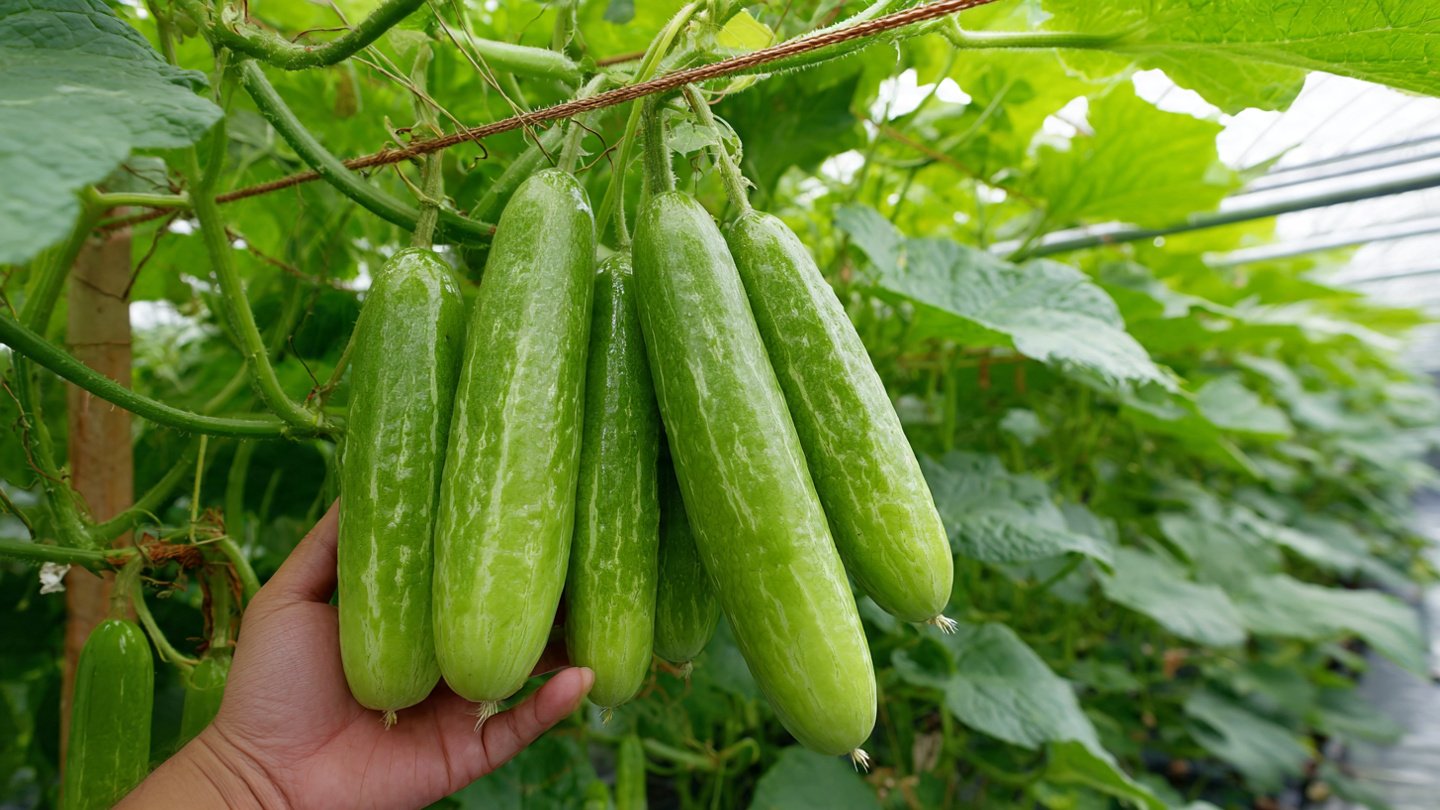
Lauki, also known as bottle gourd (Lagenaria siceraria), is a versatile and nutritious vegetable widely enjoyed in Indian and global cuisines. Its mild flavor, high water content, and low-calorie profile make it perfect for soups, curries, and juices. While traditionally grown in open fields, lauki can also thrive in large containers, offering urban gardeners, balcony growers, and small-space cultivators an opportunity to enjoy fresh, homegrown produce.
Container gardening not only makes growing lauki possible in limited spaces but also allows for better soil control, easier pest management, and convenient harvesting. This comprehensive guide provides step-by-step instructions to grow lauki in large containers for maximum yield, healthy plants, and effortless harvesting.
Why Grow Lauki in Large Containers?
Container gardening is increasingly popular for several reasons:
- Space Efficiency – Perfect for balconies, terraces, and small gardens.
- Soil Control – Ensures nutrient-rich, well-draining soil tailored to lauki’s needs.
- Pest and Disease Management – Easier to monitor and control compared to open fields.
- Mobility – Containers can be moved to follow sunlight or protect plants from extreme weather.
- Higher Yield per Plant – With proper care, container-grown lauki can produce abundant fruits.
Growing in large containers provides the plant with enough root space to flourish and supports the long trailing vines characteristic of lauki.
Choosing the Right Lauki Variety
Several lauki varieties are suitable for container cultivation. Select based on growth habit, fruit size, and disease resistance:
- Long Variety – Produces elongated fruits, ideal for pickles and curries.
- Round or Bottle-Shaped Variety – Compact and suitable for small containers.
- Hybrid Varieties – Offer higher yields, early fruiting, and disease resistance.
Popular choices for containers include ‘Pusa Summer,’ ‘Himachal Long,’ and ‘Calabash Round.’ Choosing the right variety ensures healthy growth and a bountiful harvest.
Selecting the Right Container
Lauki requires a large, deep container for optimal root development:
- Size – Minimum 18–24 inches deep and 20–24 inches wide for a single plant. Larger containers are better for multiple plants.
- Material – Plastic, clay, or fabric pots are suitable. Fabric pots provide excellent drainage and aeration, while plastic retains moisture longer.
- Drainage – Ensure multiple drainage holes to prevent waterlogging, which can cause root rot.
A spacious container provides room for robust root growth, supporting heavy fruits and long vines.
Preparing the Soil
Lauki thrives in fertile, well-draining soil:
- Soil Mix – Combine garden soil, compost, and sand or perlite in a 2:1:1 ratio for aeration and drainage.
- pH Level – Slightly acidic to neutral soil (pH 6–7) is ideal.
- Nutrients – Mix in well-rotted organic matter or vermicompost to supply essential nutrients.
A nutrient-rich and well-draining soil ensures vigorous growth and high fruit production.
Planting Lauki Seeds or Seedlings
You can grow lauki from seeds or seedlings:
Step 1: Sowing Seeds
- Fill the container with prepared soil, leaving 2–3 inches at the top.
- Plant 2–3 seeds about 1 inch deep.
- Cover lightly with soil and water gently.
Step 2: Germination
- Keep soil consistently moist but not soggy.
- Place the container in a sunny spot with temperatures between 25–35°C (77–95°F).
- Seeds typically germinate within 7–10 days.
Step 3: Thinning Seedlings
- Once seedlings develop 2–3 true leaves, thin to the strongest plant per container.
- Remove weaker seedlings by snipping at the soil surface to avoid disturbing roots.
Starting with healthy seedlings sets the stage for vigorous growth and higher yields.
Sunlight and Location
Lauki plants require full sunlight to thrive:
- Light Requirement – At least 6–8 hours of direct sunlight daily.
- Warmth – Optimal growth occurs in warm conditions, mimicking its tropical origins.
- Air Circulation – Place containers with sufficient space between them to ensure airflow and prevent fungal infections.
Proper sunlight exposure and warmth encourage flowering and fruit set, essential for maximum yield.
Watering for Maximum Growth
Lauki plants are sensitive to both under- and overwatering:
- Regular Watering – Keep the soil consistently moist during the growing season.
- Deep Watering – Water slowly and deeply to encourage strong root development.
- Mulching – Apply straw or coconut husk mulch to retain soil moisture, regulate temperature, and reduce weeds.
Maintaining consistent moisture supports vegetative growth, flowering, and fruit development.
Fertilization for High Yield
Lauki is a heavy feeder, requiring regular nutrient supply for optimal growth:
- Initial Fertilization – Incorporate organic compost or vermicompost at planting.
- Periodic Feeding – Apply a balanced NPK fertilizer (10:10:10) every 3–4 weeks.
- Additional Boost – Foliar spray of liquid organic fertilizers such as seaweed extract enhances flowering and fruiting.
- Avoid Over-Fertilization – Excess nitrogen promotes leafy growth at the expense of flowers and fruits.
Proper nutrition ensures vigorous vines, abundant flowers, and high-quality fruits.
Supporting Vines and Training
Lauki plants produce long trailing vines that need support for better growth and easy harvesting:
- Trellises or Poles – Install a sturdy trellis or bamboo poles for the vines to climb.
- String or Netting – Guide the vines along strings or nets to maximize space.
- Pruning Lateral Shoots – Remove excessive side shoots to channel energy toward fruit development.
Supporting vines prevents sprawling, reduces pest issues, and makes harvesting more convenient.
Flowering and Fruit Set
- Male and Female Flowers – Bottle gourd plants produce separate male and female flowers on the same plant. Only female flowers produce fruits.
- Pollination – Ensure pollination by attracting bees or performing hand pollination with a soft brush.
- Fruit Development – Once pollinated, fruits develop rapidly and are usually ready to harvest within 50–70 days, depending on variety.
Proper pollination and care ensure high fruit set and a continuous harvest.
Pest and Disease Management
Lauki plants in containers are less prone to pests but still require monitoring:
- Aphids and Whiteflies – Use neem oil or insecticidal soap to control infestations.
- Powdery Mildew – Maintain airflow and avoid overhead watering.
- Fruit Flies – Cover developing fruits with netting if necessary.
- Root Rot – Prevent waterlogging and ensure proper drainage.
Regular monitoring and timely action prevent pest and disease-related losses.
Harvesting Lauki
Timely harvesting is crucial for quality and continuous yield:
- Size – Harvest when fruits are young, tender, and smooth-skinned for the best taste. Overgrown fruits become fibrous and less palatable.
- Frequency – Check plants every 2–3 days during peak season, as fruits grow rapidly.
- Harvesting Method – Use a sharp knife or scissors to cut the fruit, leaving a small portion of the stem attached to avoid damaging the vine.
Consistent harvesting encourages the plant to produce more flowers and fruits throughout the season.
Tips for Maximizing Yield in Containers
- Choose Large, Deep Containers – Provides ample root space for healthy growth.
- Use Nutrient-Rich Soil – Fertile soil supports vigorous vines and abundant fruits.
- Provide Vertical Support – Trellises and poles maximize space and reduce fruit damage.
- Maintain Consistent Moisture – Avoid water stress to prevent flower drop.
- Regular Feeding – Balanced nutrition promotes continuous flowering and fruiting.
- Prune Strategically – Remove excess vines or damaged leaves to focus energy on fruits.
By following these strategies, you can enjoy a high yield of healthy, tender lauki from a single container.
Conclusion
Growing lauki in large containers is an ideal solution for gardeners with limited space who want fresh, homegrown vegetables. With the right variety, large containers, fertile soil, sufficient sunlight, proper watering, support for trailing vines, and regular care, container-grown lauki can produce abundant fruits with minimal effort.
By following this step-by-step guide, you can maximize yield, maintain plant health, and enjoy easy harvesting throughout the season. Container gardening of lauki is not only convenient but also highly rewarding, providing nutritious, tender, and delicious fruits straight from your home garden.
Whether you are an urban gardener, a balcony enthusiast, or someone looking to grow vegetables in limited spaces, container-grown lauki offers a practical and fruitful solution for a productive, vibrant, and easy-to-manage garden.