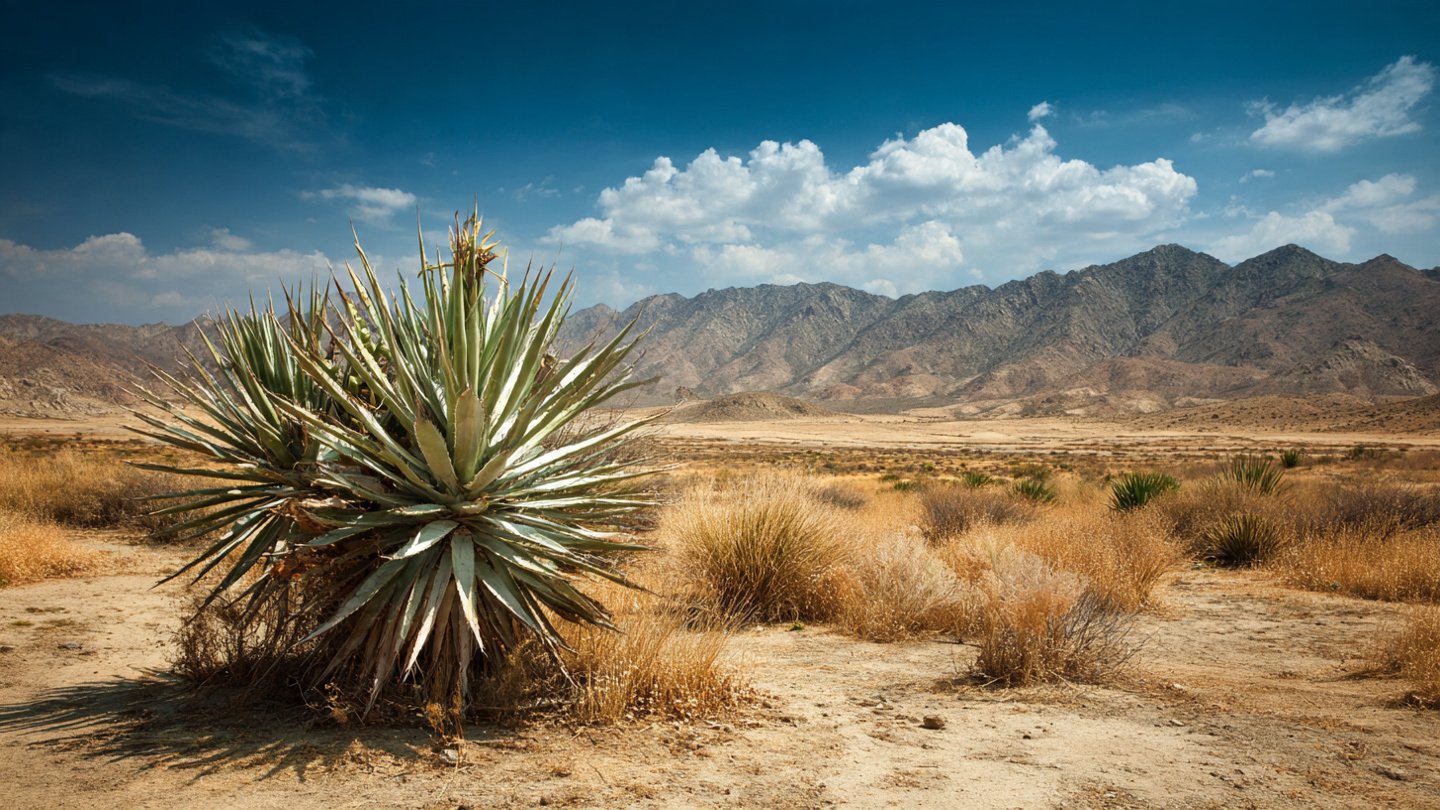
In arid and semi-arid landscapes, finding plants that are both beautiful and drought-tolerant is crucial. One such resilient plant is the spineless yucca. Unlike its sharp-leaved relatives, spineless yucca offers the same dramatic architectural appeal and hardiness without the prickly danger, making it an excellent choice for landscaping in dry climates. In this guide, we’ll explore everything you need to know about growing spineless yucca, from selection and planting to care and maintenance, ensuring a thriving, low-water landscape.
1. Why Choose Spineless Yucca?
Spineless yuccas are ideal for arid landscapes for several reasons:
- Drought tolerance: Once established, spineless yuccas can survive extended dry periods with minimal water.
- Low maintenance: These plants require little fertilization, pruning, or pest control.
- Architectural beauty: Their sword-like leaves and tall flower spikes create striking focal points in gardens and xeriscapes.
- Safety: Unlike traditional yuccas, spineless varieties are safe to plant near pathways, patios, or children’s play areas, as they lack sharp leaf tips.
These attributes make spineless yuccas a reliable and visually appealing option for drought-resilient landscapes.
2. Selecting the Right Variety
There are several spineless yucca varieties suitable for arid climates. Choosing the right one depends on your garden’s size, soil type, and aesthetic preferences:
- Yucca filamentosa ‘Bright Edge’: Features soft, green leaves edged in creamy white and produces tall white flower spikes.
- Yucca gloriosa ‘Variegata’: Known for its variegated leaves and dramatic structure, reaching up to 6 feet in height.
- Yucca elephantipes (Spineless form): Grows upright with thick, green leaves and can reach impressive heights, ideal for larger landscapes.
Consider the mature size and growth habit when selecting a variety to ensure it fits your landscape design.
3. Preparing the Planting Site
Spineless yuccas thrive in well-drained, sandy, or gravelly soils. Proper site preparation is key to ensuring their longevity and drought resilience.
Steps for site preparation:
- Sun exposure: Choose a location with full sun, as yuccas prefer 6–8 hours of direct sunlight daily.
- Soil drainage: Avoid heavy clay soils that retain water. If necessary, amend the soil with sand or gravel to improve drainage.
- Space: Allow enough room for growth. Spineless yuccas can spread 3–6 feet in diameter, so avoid overcrowding.
- Wind protection: While hardy, young plants benefit from some protection against strong winds to prevent tip damage.
Well-prepared planting sites reduce stress on the plant and promote healthy root establishment.
4. Planting Spineless Yucca
Proper planting ensures a strong start for your spineless yucca.
Planting steps:
- Dig a hole: Make a hole twice as wide as the root ball and slightly deeper than the plant’s current depth.
- Add amendments: Mix the removed soil with sand or gravel for improved drainage. Avoid excessive organic matter, as this can retain water and cause root rot.
- Position the plant: Place the yucca in the hole, ensuring the crown (where leaves meet the roots) is slightly above ground level.
- Backfill carefully: Fill the hole gently, pressing soil lightly to eliminate air pockets.
- Water lightly: Give a small initial watering to settle the soil but avoid overwatering.
Proper planting reduces transplant shock and helps the plant establish a strong root system.
5. Watering and Drought Management
One of the primary benefits of spineless yucca is its low water requirement. However, newly planted yuccas need some initial care:
- First 2–3 months: Water once or twice a week, ensuring the soil is moist but not soggy.
- After establishment: Once roots are established, yuccas thrive with minimal irrigation. Water deeply only during extended dry spells.
- Avoid overwatering: Excess water can lead to root rot and other fungal problems, especially in poorly drained soils.
Mulching around the base with gravel or small rocks can help retain soil moisture and suppress weeds, further reducing maintenance.
6. Fertilization and Soil Nutrition
Spineless yuccas are hardy and can grow in poor soils, but occasional fertilization promotes healthier growth and more impressive flowering:
- Low-nitrogen fertilizer: Use a slow-release fertilizer with low nitrogen content to avoid overly leafy growth at the expense of flowers.
- Timing: Fertilize in early spring before active growth begins. Repeat lightly in mid-summer if growth appears slow.
- Organic options: Compost or well-rotted manure can be applied sparingly but should not be overused in arid landscapes.
Minimal feeding is generally sufficient, as these plants are adapted to nutrient-poor soils.
7. Pruning and Maintenance
Spineless yuccas are low-maintenance, but occasional pruning keeps them looking tidy and encourages healthy growth:
- Remove dead leaves: Trim away brown or damaged leaves at the base, cutting close to the crown.
- Flower spike removal: After flowering, cut the spent flower stalk to redirect energy to the plant’s growth.
- Avoid heavy pruning: Spineless yuccas rarely need major trimming. Over-pruning can stress the plant and reduce its resilience.
Regular observation is key—remove debris and check for pests to maintain overall plant health.
8. Dealing With Pests and Diseases
Spineless yuccas are generally pest-resistant, but they can occasionally encounter minor issues:
- Scale insects: Look for small, round bumps on leaves. Remove manually or use insecticidal soap.
- Mealybugs: Soft-bodied pests that appear as white cottony clusters. Treat with neem oil or horticultural sprays.
- Root rot: Caused by overwatering or poorly drained soils. Avoid wet conditions and ensure proper planting depth.
Overall, the spineless variety is far less prone to problems than other yucca species, making it perfect for beginner gardeners and drought-prone landscapes.
9. Landscaping With Spineless Yucca
Spineless yuccas add dramatic structure and texture to arid landscapes and xeriscapes:
- Focal points: Their upright growth and spiky leaves make them excellent centerpieces in rock gardens or courtyard designs.
- Borders and pathways: Medium-sized varieties can line walkways, providing structure without hazards.
- Companion plants: Pair with drought-tolerant species like agave, ornamental grasses, or desert wildflowers for a cohesive, low-water garden.
- Containers: Smaller varieties grow well in large pots or raised beds, ideal for patios and terraces.
The versatility of spineless yuccas allows them to fit almost any arid garden design while minimizing maintenance and water use.
10. Propagation for Expanding Your Landscape
Once established, spineless yuccas can be propagated easily to expand your garden:
- Offsets or pups: Many varieties produce offshoots at the base. Carefully separate these and plant in prepared soil.
- Stem cuttings: Cut a healthy stem, let it callus for a few days, and plant in well-draining soil.
- Seeds: Less common for home gardeners, but sowing seeds can produce new plants, though they take longer to mature.
Propagation allows you to multiply your plants for free and fill large arid landscapes with resilient greenery.
Conclusion
Spineless yucca is a remarkable plant for arid landscapes, offering drought resilience, minimal maintenance, and striking visual appeal. Its ability to thrive in poor soils, withstand heat, and require little water makes it an ideal choice for xeriscaping, rock gardens, and low-water home landscapes.
By selecting the right variety, preparing a sunny, well-drained site, and providing proper planting, watering, and occasional care, you can enjoy a thriving, low-maintenance landscape that flourishes even under harsh conditions. From dramatic architectural interest to easy propagation, spineless yuccas are versatile plants that reward gardeners with beauty, resilience, and sustainability.
For gardeners seeking a sustainable, water-wise approach to landscaping, spineless yuccas are not just a practical choice—they’re a statement of style and environmental stewardship. Whether you’re designing a backyard oasis, a courtyard garden, or a sprawling arid landscape, incorporating spineless yuccas ensures year-round beauty with minimal effort.