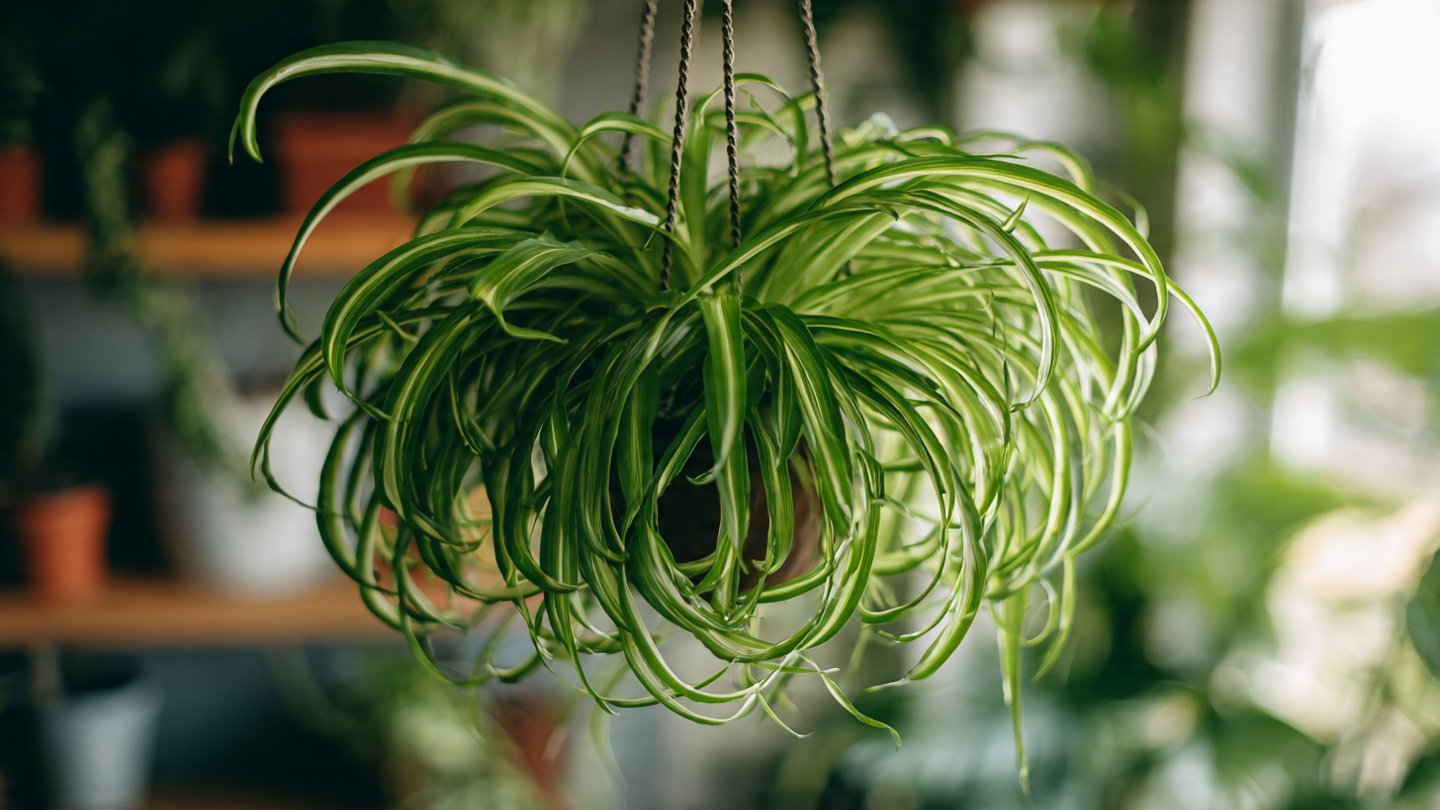
Spider plants are among the most beloved and versatile houseplants, admired for their graceful arching leaves, resilience, and ease of care. Among the many varieties, the Bonnie Curly Spider Plant stands out due to its charming curled foliage and vibrant green appearance. Its playful, spiraling leaves add texture and life to any indoor space, making it a favorite for both beginner and experienced plant enthusiasts. Growing this plant indoors can be highly rewarding, but understanding its specific needs ensures that it thrives and maintains its health and beauty year after year. This ultimate guide will provide everything you need to know to cultivate your Bonnie Curly Spider Plant successfully.
1. Understanding the Bonnie Curly Spider Plant
The Bonnie Curly Spider Plant, also known as Chlorophytum comosum ‘Bonnie’, is a compact and curly-leaved variant of the traditional spider plant. Its leaves curl tightly into spirals, giving it a unique and decorative appearance that works beautifully in hanging baskets, pots, or on shelves. Like other spider plants, it produces runners or stolons with tiny baby plantlets at the ends, which can be propagated to grow new plants.
Key features:
- Leaf color: Bright green, with curling and twisting patterns.
- Growth habit: Compact, arching foliage ideal for indoor display.
- Size: Typically 6–12 inches in height, but can spread up to 18 inches.
- Runners: Produces offshoots that can be propagated easily.
Its combination of charm and resilience makes the Bonnie Curly Spider Plant an excellent choice for indoor gardeners seeking low-maintenance yet visually striking greenery.
2. Choosing the Right Container
Container selection is crucial for the healthy growth of a Bonnie Curly Spider Plant. These plants prefer well-draining pots to prevent root rot. Ceramic, terracotta, or plastic pots with drainage holes are ideal.
Container tips:
- Size: Choose a pot slightly larger than the root ball to allow growth but not so large that waterlogging occurs.
- Material: Terracotta pots allow soil to dry faster, while plastic retains moisture longer.
- Shape: Hanging baskets work wonderfully for showcasing the plant’s arching, curly leaves.
Proper container choice ensures that roots have space to grow while reducing the risk of water-related problems.
3. Choosing the Right Soil
Bonnie Curly Spider Plants thrive in light, well-draining potting soil. A balanced mix ensures that the roots receive both oxygen and nutrients without becoming waterlogged.
Recommended soil mix:
- 2 parts standard potting soil
- 1 part perlite or coarse sand for drainage
- Optional: 1 part peat moss for moisture retention
Avoid heavy garden soil or soil that retains excessive water, as this can lead to root rot and yellowing leaves.
4. Light Requirements
Light is a key factor in maintaining vibrant, healthy foliage. The Bonnie Curly Spider Plant prefers bright, indirect light but can tolerate lower light conditions.
Lighting tips:
- Avoid direct sunlight, which can scorch leaves and cause browning tips.
- Place near an east- or north-facing window for moderate light.
- In low-light conditions, consider supplemental LED grow lights to maintain growth.
Providing the right light conditions helps the plant maintain its curly leaf structure and supports vigorous growth.
5. Watering Needs
Spider plants are moderately drought-tolerant but thrive when kept evenly moist. Overwatering or allowing water to sit in the saucer can harm the plant.
Watering guidelines:
- Water thoroughly when the top 1–2 inches of soil feel dry.
- Reduce watering in winter when growth slows.
- Ensure water drains freely from the bottom to prevent root rot.
Consistent, moderate watering encourages lush, vibrant leaves while avoiding common issues like yellowing or drooping foliage.
6. Temperature and Humidity
The Bonnie Curly Spider Plant prefers temperatures between 65–75°F (18–24°C) but can tolerate slightly cooler or warmer indoor conditions.
Tips for temperature and humidity:
- Avoid placing the plant near drafts, radiators, or air-conditioning vents.
- Moderate indoor humidity (40–60%) is ideal.
- In dry climates or winter months, occasionally mist the leaves to maintain humidity.
Maintaining consistent environmental conditions helps prevent stress and supports overall plant health.
7. Fertilization
Fertilization ensures that your Bonnie Curly Spider Plant receives adequate nutrients to thrive indoors.
Fertilizing tips:
- Use a balanced, water-soluble houseplant fertilizer (10-10-10 or 20-20-20).
- Feed every 4–6 weeks during the active growing season (spring and summer).
- Reduce or stop fertilizing in winter when growth slows.
- Avoid over-fertilizing, which can lead to leaf burn or tip browning.
Proper fertilization supports strong growth, vibrant curly leaves, and the production of runners.
8. Propagation
One of the joys of growing a Bonnie Curly Spider Plant is its ease of propagation. The plant produces baby offshoots at the ends of runners, which can be rooted in soil or water.
Propagation steps:
- Wait until the baby plantlets develop small roots.
- Cut the runner connecting the baby to the mother plant.
- Plant in a small pot with well-draining soil or place in water until roots grow.
- Keep the soil moist and provide bright, indirect light.
Propagation allows you to create new plants for your home or share with friends and family.
9. Pruning and Maintenance
Regular maintenance ensures that your Bonnie Curly Spider Plant stays healthy and visually appealing.
Pruning tips:
- Remove yellow, brown, or damaged leaves promptly.
- Trim long or unruly runners to encourage compact growth.
- Divide plants every 2–3 years if they become crowded in their pot.
Maintenance helps prevent disease, encourages new growth, and keeps the plant looking its best.
10. Common Problems and Solutions
While hardy, Bonnie Curly Spider Plants can encounter some common issues. Understanding these problems helps maintain a thriving indoor plant.
Common problems:
- Brown leaf tips: Usually caused by overwatering, underwatering, or low humidity. Trim tips and adjust watering habits.
- Yellow leaves: Often a sign of too much direct sunlight or nutrient deficiency. Relocate plant or adjust fertilization.
- Root rot: Caused by waterlogged soil; repot into well-draining soil immediately.
- Pests: Spider mites, aphids, or mealybugs can occasionally infest plants. Treat with insecticidal soap or neem oil.
By monitoring your plant and addressing issues early, you can prevent long-term damage and keep your Bonnie Curly Spider Plant healthy.
11. Decorating with Bonnie Curly Spider Plants
The unique curly leaves of this spider plant make it a versatile decorative option indoors:
- Hanging baskets: Showcase the arching leaves for a dramatic effect.
- Tabletop displays: Use decorative pots for centerpieces or bright corners.
- Grouped arrangements: Combine with other houseplants to create lush, textured greenery.
Its playful spirals bring a dynamic, lively feel to any room while purifying the indoor air.
12. Air-Purifying Benefits
Beyond aesthetics, Bonnie Curly Spider Plants are natural air purifiers. Like other spider plants, they help remove toxins such as formaldehyde, xylene, and carbon monoxide from indoor environments, improving overall air quality and creating a healthier living space.
13. Seasonal Care
Seasonal adjustments ensure your Bonnie Curly Spider Plant continues to thrive year-round.
Spring and Summer:
- Increase watering and fertilization to support growth.
- Divide plants if necessary to prevent overcrowding.
Autumn and Winter:
- Reduce watering and fertilization as growth slows.
- Move plants away from cold drafts or direct heat sources.
- Monitor indoor humidity and mist occasionally if needed.
Seasonal care ensures consistent health and vibrant foliage throughout the year.
14. Conclusion
The Bonnie Curly Spider Plant is a charming, low-maintenance houseplant that brings beauty, greenery, and vitality to indoor spaces. Its curly, spiraling leaves are not only visually appealing but also symbolize resilience and adaptability. By understanding its unique care requirements—including soil, light, water, temperature, fertilization, propagation, and maintenance—you can cultivate a thriving plant that continues to enhance your home environment.
Growing this plant from a small seedling or propagating baby offshoots allows you to experience the joy of nurturing greenery while benefiting from its air-purifying qualities. With consistent care and attention to its specific needs, the Bonnie Curly Spider Plant will reward you with long-lasting health, vibrant foliage, and the playful curls that make it a standout in any indoor garden.
Embrace the process of caring for this delightful houseplant, and it will become a cherished feature in your home, offering beauty, health benefits, and a sense of accomplishment. Whether displayed in hanging baskets, decorative pots, or clustered with other houseplants, the Bonnie Curly Spider Plant adds life and energy, transforming indoor spaces into thriving, green havens.