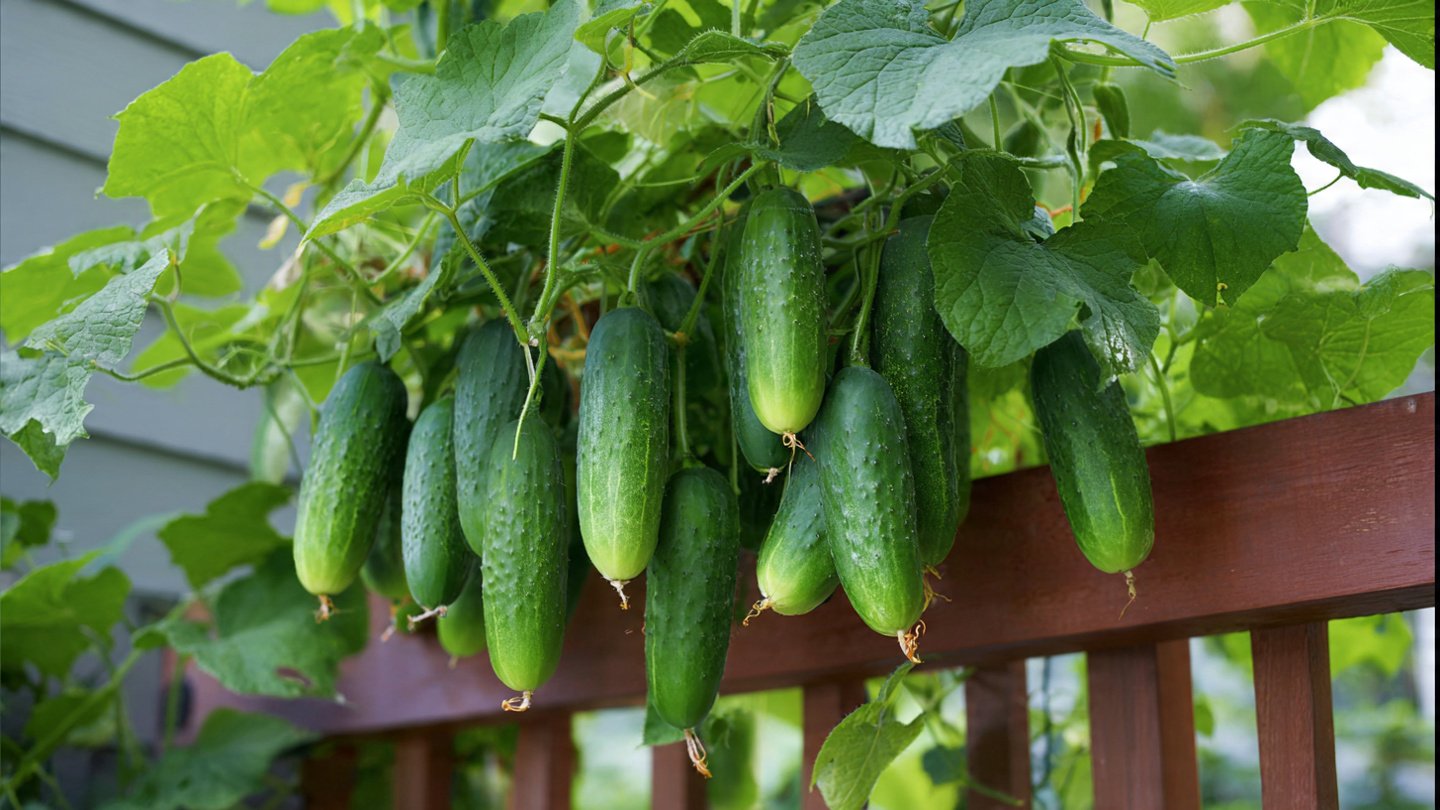
Fresh, crisp cucumbers picked straight from the vine taste better than anything you can buy at the market. Many people assume cucumbers need large garden beds or farmland to grow well, but the truth is they thrive just as happily in containers. With the right approach, even a small balcony can become a high-yield cucumber garden that produces baskets of fruit throughout the growing season.
This guide will show you exactly how to turn your balcony into a productive cucumber-growing space—from choosing the best varieties and containers to feeding, training vines, and maximizing harvests in limited space.
Why Cucumbers Are Perfect for Balcony Gardening
Cucumbers are fast-growing, highly productive, and adaptable to container life. When grown vertically, they take up minimal floor space while producing a generous yield.
Benefits of Growing Cucumbers on a Balcony
- Excellent vertical growth potential
- High yield in a small footprint
- Faster harvest compared to many vegetables
- Easy to monitor pests and watering
- Fresh, pesticide-free produce at home
With proper care, one healthy plant can yield dozens of cucumbers over a season.
Step 1: Choose the Right Cucumber Varieties
Not all cucumbers are suited for container growing. For balcony gardens, compact and vining varieties bred for pots perform best.
Best Cucumber Types for Balconies
- Bush cucumbers: Short vines, ideal for small containers
- Parthenocarpic cucumbers: Self-pollinating, perfect for balconies without many insects
- Hybrid container varieties: Designed for heavy yields in pots
Recommended Varieties
- Patio Snacker
- Spacemaster
- Bush Champion
- Diva
- Mini Munch
Selecting the right variety is the foundation of a successful balcony cucumber garden.
Step 2: Selecting the Perfect Containers
Container size directly affects cucumber productivity. Bigger roots mean more nutrients, stronger vines, and more fruit.
Ideal Container Requirements
- Minimum 12–14 inches deep and wide
- At least 15–20 liters (4–5 gallons) per plant
- Drainage holes are essential
Best Container Types
- Plastic grow bags
- Large terracotta pots
- Fabric grow bags
- Self-watering containers
Avoid small pots—restricted roots lead to weak plants and low yields.
Step 3: Creating the Best Soil Mix
Cucumbers are heavy feeders and need rich, well-draining soil to thrive.
Ideal Soil Mix
- 40% high-quality garden soil
- 30% compost or vermicompost
- 20% coco peat or peat moss
- 10% sand or perlite for drainage
Optional Additions
- Neem cake for pest prevention
- Bone meal for strong roots
- Wood ash in small amounts for potassium
The right soil mix provides nutrients, airflow, and moisture balance for healthy growth.
Step 4: Sunlight and Balcony Placement
Cucumbers love sunlight. Without enough light, vines grow weak and produce fewer fruits.
Sunlight Requirements
- Minimum 6–8 hours of direct sunlight daily
- Morning sun is ideal
- Avoid excessive shade from walls or railings
If your balcony gets partial sun, choose parthenocarpic varieties for better fruiting.
Step 5: Sowing Seeds or Transplanting Seedlings
Cucumbers dislike root disturbance, so direct sowing is often best.
Direct Sowing Method
- Fill container with prepared soil
- Sow 2–3 seeds per pot, 1 inch deep
- Water gently
- Thin to the strongest seedling after sprouting
Transplanting Tips
- Use biodegradable pots
- Transplant carefully at 2–3 leaf stage
- Avoid damaging roots
Seedlings usually emerge within 5–7 days in warm conditions.
Step 6: Vertical Support for Maximum Yield
Vertical growing is the secret to turning a small balcony into a cucumber powerhouse.
Best Support Options
- Bamboo trellis
- Balcony railing net
- String trellis
- Tomato cages
Train vines upward by gently guiding them and tying loosely with soft ties. Vertical growth improves airflow, reduces disease, and makes harvesting easier.
Step 7: Watering for Heavy Harvests
Cucumbers are 95% water, and inconsistent watering leads to bitter fruits.
Watering Guidelines
- Water deeply once or twice daily in hot weather
- Keep soil consistently moist but not soggy
- Avoid letting soil dry out completely
- Water at the base, not on leaves
Mulching with straw or dry leaves helps retain moisture.
Step 8: Feeding Cucumbers for Continuous Production
Cucumbers are hungry plants and need regular feeding.
Feeding Schedule
- Every 10–14 days during growth and fruiting
Best Fertilizers
- Vermicompost tea
- Banana peel water (potassium boost)
- Fish emulsion
- Seaweed extract
Flowering & Fruiting Boost
- Higher potassium during flowering
- Reduce nitrogen once flowering begins
Balanced nutrition results in more flowers and bigger harvests.
Step 9: Pollination on a Balcony
Some balconies lack pollinators, which can reduce fruit set.
Solutions
- Choose parthenocarpic varieties (no pollination needed)
- Hand-pollinate using a soft brush
- Encourage pollinators with flowering companion plants
Hand pollination is simple and highly effective in closed spaces.
Step 10: Pruning and Training for Higher Yields
Pruning focuses energy into fruit production.
Pruning Tips
- Remove yellow or diseased leaves
- Pinch excess side shoots on bush varieties
- Limit excessive foliage growth
Well-trained vines produce more fruit and stay healthier.
Step 11: Pest and Disease Control
Balcony gardens are easier to manage but still need monitoring.
Common Pests
- Aphids
- Spider mites
- Whiteflies
Organic Control Methods
- Neem oil spray every 7–10 days
- Soap water spray
- Garlic-chili spray
Good airflow and cleanliness prevent most problems.
Step 12: Harvesting for Maximum Production
Frequent harvesting encourages continuous fruiting.
Harvest Tips
- Pick cucumbers when young and tender
- Harvest every 2–3 days
- Use scissors to avoid damaging vines
Overripe cucumbers slow down future production.
How to Extend Your Harvest Season
- Succession sow seeds every 3–4 weeks
- Provide shade during extreme heat
- Continue feeding during fruiting
- Protect plants from heavy rain and wind
With proper care, balcony cucumbers can produce for 2–3 months or more.
Common Mistakes to Avoid
- Using small containers
- Irregular watering
- Overcrowding plants
- Ignoring vertical support
- Excess nitrogen during flowering
Avoiding these mistakes dramatically improves yield.
Conclusion
Turning your balcony into a heavy-yield cucumber garden is not only possible—it’s incredibly rewarding. With the right variety selection, large containers, rich soil, consistent watering, and vertical support, you can enjoy a steady supply of fresh cucumbers even in the smallest spaces.
Balcony-grown cucumbers are healthier, tastier, and more productive than many gardeners expect. By following the strategies in this guide, your balcony can transform into a lush, productive green space that delivers crisp, refreshing cucumbers throughout the growing season.