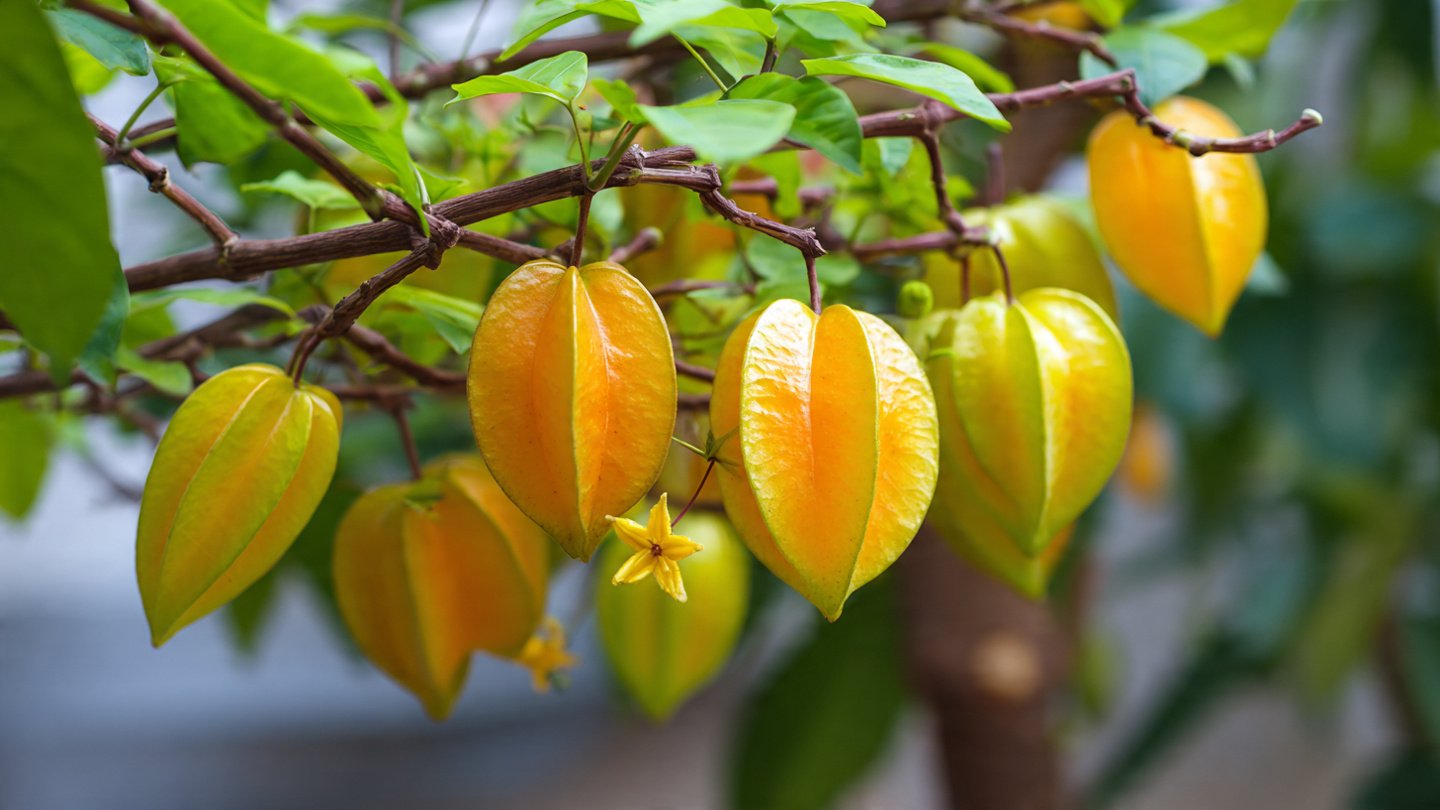
Star fruit, also known as carambola, is a tropical delight celebrated for its unique star-shaped slices, crisp texture, and sweet-tart flavor. Native to Southeast Asia, this exotic fruit has gained popularity worldwide for its taste and ornamental appeal. While star fruit trees naturally thrive in warm, humid climates, the exciting news is that you don’t need a tropical backyard to grow one. With container gardening, even those living in cooler climates can cultivate this remarkable fruit tree at home. From seed to harvest, growing star fruit in a pot is both feasible and rewarding.
This comprehensive guide walks you through the process step by step, showing how container-grown star fruit can flourish and bring tropical charm into your home.
Why Grow Star Fruit in a Container?
Growing star fruit in a container offers several advantages over traditional in-ground planting.
1. Space Efficiency: Star fruit trees can grow tall in their natural environment, but container cultivation keeps them manageable. Even a small balcony, patio, or sunlit terrace can host a productive tree.
2. Climate Control: Tropical plants often struggle in cooler regions. Container growth allows you to move the tree indoors during cold months or provide shelter from frost, ensuring year-round survival.
3. Soil Management: Growing in a pot gives you complete control over soil quality, drainage, and nutrient levels, crucial factors for tropical fruit trees.
4. Mobility: Potted star fruit trees can be repositioned to catch optimal sunlight, protect against harsh winds, or avoid excessive rainfall, making them more adaptable than in-ground trees.
5. Beginner-Friendly: Container gardening is forgiving. You can start small, monitor growth closely, and gradually learn the plant’s needs without committing to permanent landscaping.
Selecting the Right Seed
Growing star fruit from seed is an exciting journey, though it requires patience. Begin with fresh seeds from a ripe fruit. Unlike some tropical plants, star fruit seeds are viable only when freshly extracted.
Steps to prepare seeds:
- Wash the seeds gently to remove any pulp residue.
- Dry them briefly for a few hours, but avoid prolonged drying, which reduces germination rates.
- Optionally, soak seeds overnight in lukewarm water to encourage sprouting.
When selecting seeds, aim for healthy, plump ones. Damaged or shriveled seeds have a low chance of germination.
Choosing the Right Container
Star fruit trees have moderate root systems but benefit from deep, wide pots to accommodate growth.
- Starting Seedlings: Use small pots (4–6 inches) for germination. This allows easy monitoring and prevents overwatering.
- Mature Trees: Transition to a container at least 15–20 inches in diameter and depth as the plant grows. Larger pots support better root development and fruiting.
Ensure containers have multiple drainage holes. Good drainage is critical, as star fruit roots are prone to rot if left in standing water.
Preparing the Ideal Soil Mix
Star fruit prefers slightly acidic, well-draining soil rich in organic matter. You can create a suitable mix at home:
- 2 parts high-quality potting soil
- 1 part compost or well-rotted organic matter
- 1 part perlite or coarse sand
This mix provides drainage, aeration, and nutrients while retaining sufficient moisture for tropical growth. Avoid heavy clay soils that compact easily, restricting root development.
Germinating Star Fruit Seeds
Germination takes patience—expect 2–4 weeks under ideal conditions.
Steps:
- Fill seedling pots with the prepared soil mix.
- Plant seeds about 0.5 inches deep, lightly covering them with soil.
- Water gently to moisten the soil.
- Keep the soil consistently warm and moist. Star fruit seeds germinate best at 75–85°F (24–29°C).
- Place pots in a bright area with indirect sunlight.
Maintain humidity around the seedlings by covering with a clear plastic bag or using a mini greenhouse setup, but ensure airflow to prevent mold growth.
Caring for Young Seedlings
Once seedlings emerge, remove any covering and gradually acclimate them to more sunlight. Star fruit seedlings grow slowly at first, so patience is key.
Care Tips:
- Water regularly, keeping the soil slightly moist but not soggy.
- Use a diluted organic fertilizer once seedlings have their first set of true leaves.
- Rotate pots occasionally to encourage straight, balanced growth.
Transplanting to Larger Containers
As seedlings grow, they will require larger containers. Transplant carefully to avoid damaging roots.
Steps:
- Select a pot at least twice the size of the current one.
- Add fresh soil mix to fill the new container halfway.
- Gently remove the seedling, place it in the center, and fill in soil around the roots.
- Water thoroughly and provide partial shade for a few days to reduce transplant shock.
Sunlight and Temperature Requirements
Star fruit thrives in full sun, ideally 6–8 hours per day. Container-grown trees need sunlight exposure on at least one side, and you may rotate the pot to ensure even growth.
Temperature Considerations:
- Optimal growth occurs in warm, tropical conditions (70–90°F / 21–32°C).
- Protect the tree from frost by moving it indoors or covering it during cold spells.
- In hot climates, light afternoon shade can prevent leaf burn.
Watering and Humidity
Star fruit requires consistent moisture for optimal growth and fruiting.
- Keep the soil evenly moist, allowing the top inch to dry slightly between watering.
- Avoid waterlogged soil; drainage holes and raised pots help prevent root rot.
- Tropical humidity enhances growth. If growing indoors, occasional misting or using a humidity tray can benefit young trees.
Fertilizing for Healthy Growth
Container-grown star fruit trees rely on supplemental nutrients to produce lush foliage and fruit.
- Use a balanced liquid fertilizer or slow-release fertilizer high in nitrogen, phosphorus, and potassium during the growing season.
- Apply fertilizer every 4–6 weeks for young trees.
- Reduce feeding in late fall or winter when the plant slows down.
Organic options like compost tea or fish emulsion can also provide essential nutrients without chemical buildup.
Pruning and Shaping
Pruning helps maintain a manageable size and encourages strong branching for fruit production.
Tips:
- Remove dead, damaged, or crossing branches.
- Thin crowded branches to allow sunlight and airflow.
- Keep the tree compact in containers to prevent tipping and facilitate easier care.
Pruning young trees encourages a bushy structure, which supports more fruit in the future.
Flowering and Pollination
Star fruit trees produce small, yellow flowers, which develop into the familiar star-shaped fruit. Most container-grown varieties are self-pollinating, so cross-pollination isn’t required.
Flower Care:
- Maintain consistent watering and fertilization to support flower and fruit development.
- Avoid sudden temperature drops or prolonged drought, which can cause flower drop.
Harvesting Star Fruit
Star fruit takes several years to bear fruit from seed—usually 3–5 years. However, container-grown grafted seedlings may fruit sooner.
Harvesting Tips:
- Fruits are ready when they turn a bright, golden-yellow color.
- Slightly soft skin indicates ripeness, while fully green fruit is not yet edible.
- Use a gentle twist or scissors to remove fruit without damaging the branch.
Harvest regularly to encourage continuous production. Star fruit is best eaten fresh, though it can also be juiced, pickled, or cooked into preserves.
Benefits of Growing Star Fruit in Containers
- Access to Exotic Fruit: Enjoy tropical flavors at home regardless of climate.
- Compact and Manageable: Trees remain small and productive.
- Mobility: Move pots for sunlight, protection, or aesthetic appeal.
- Sustainable Gardening: Reduce carbon footprint by growing your own fruit.
- Decorative Appeal: Star fruit trees are attractive, glossy-leaved ornamentals.
- Educational Opportunity: Learn patience, observation, and horticultural skills.
Conclusion: Tropical Magic at Home
Growing star fruit in a pot is more than a gardening project; it’s a rewarding journey that brings the tropics into your living space. From nurturing tiny seeds to harvesting golden, star-shaped fruits, container-grown star fruit offers fresh produce, a sense of accomplishment, and a touch of exotic beauty in any home environment.
With the right variety, quality soil, proper care, and patience, star fruit trees can thrive in pots, making tropical gardening accessible to anyone, anywhere. Whether you live in a sunlit balcony, a rooftop garden, or a bright indoor corner, growing star fruit in a container transforms your space into a lush tropical oasis—and fills your life with sweetness, one star-shaped fruit at a time.