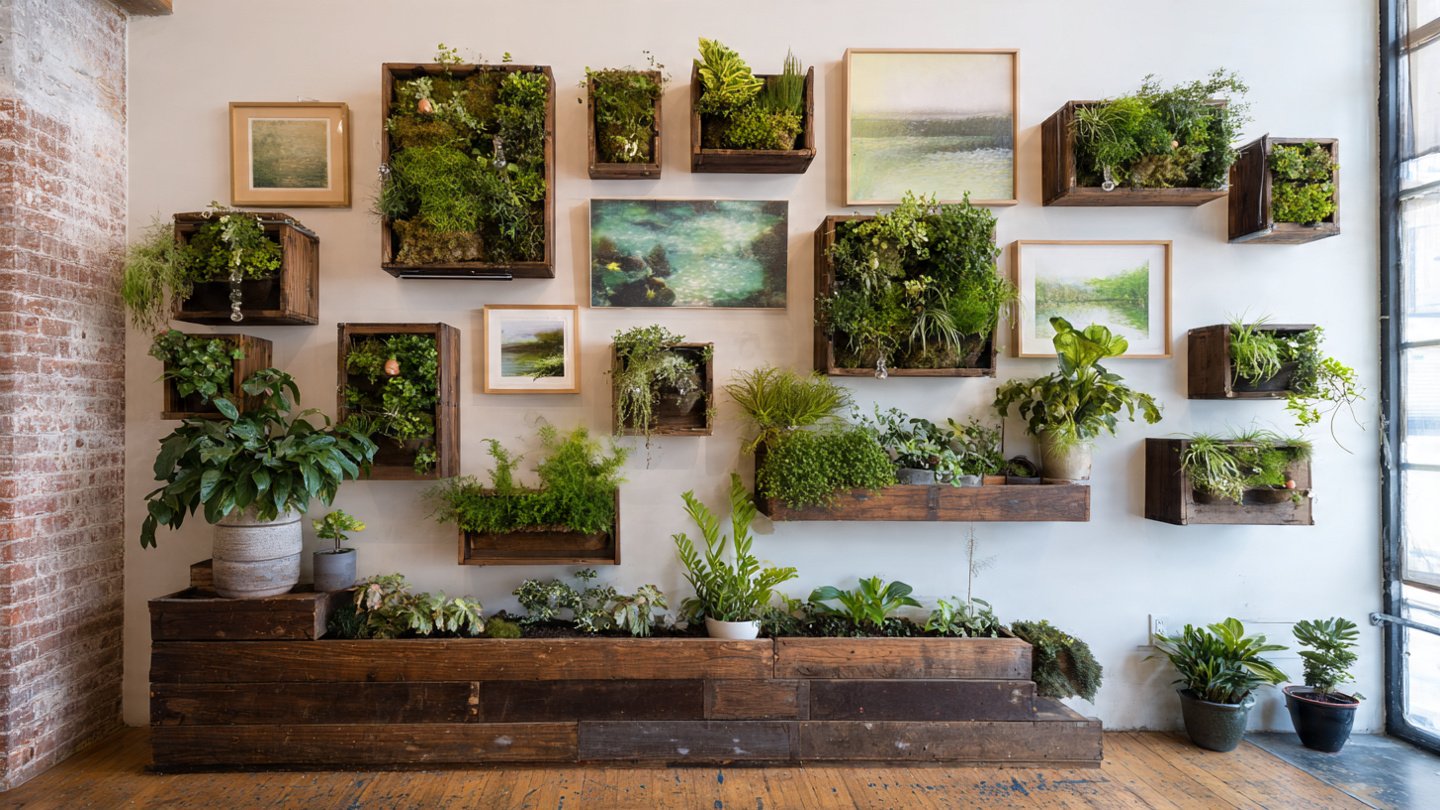
In today’s world, where interior design meets sustainability, the way we incorporate greenery into our homes is evolving rapidly. Among the most captivating trends is the concept of propagation stations — not just as functional tools for growing new plants, but as living pieces of art that can transform any space. These elegant displays allow plant lovers to propagate cuttings while simultaneously adding life, color, and texture to walls, shelves, or countertops. In this article, we’ll explore how propagation stations can redefine your interiors, the different types available, and practical tips for creating your own stunning display.
What is a Propagation Station?
A propagation station is essentially a setup that allows plants to grow roots in water or soil before being transplanted. Traditionally, propagation has been a practical gardening task, often done in plain containers or trays. However, modern propagation stations are designed with aesthetics in mind. They range from minimalist glass vases and hanging tubes to artistic wall-mounted frames and multi-tiered wooden displays.
The key idea is combining functionality with visual appeal. By showcasing your plant cuttings, you create a dynamic, ever-changing living display. As roots develop and leaves grow, the station evolves — offering a sense of life and growth that static wall art simply cannot match.
Why Choose Propagation Stations as Wall Art?
- Dynamic Aesthetics
Unlike traditional wall art, which is static, propagation stations are alive. As your plants grow and change over time, so does the artwork itself. This constant transformation adds an element of surprise and natural beauty to any room. - Space Optimization
Small apartments or homes with limited floor space benefit immensely from vertical gardening. Wall-mounted propagation stations free up tables and counters while maximizing green coverage in your home. - Wellness and Mood Enhancement
Numerous studies show that indoor plants reduce stress, improve mood, and boost productivity. Living wall art amplifies these benefits by keeping greenery at eye level and creating a sense of connection with nature. - Conversation Starter
Guests are naturally drawn to unique displays. A propagation station wall can spark conversations about plants, sustainability, and creative home decor.
Types of Propagation Stations
The variety of propagation stations allows homeowners to tailor them to their interior style. Here are some popular options:
1. Glass Tube Stations
Glass tube stations are a modern and minimalist way to display cuttings. These stations typically feature multiple narrow glass tubes suspended in a frame or mounted on a wall. They allow you to monitor root growth easily and create a sleek, clean look.
- Pros: Transparent, easy to monitor roots, visually striking.
- Cons: Fragile, limited space for larger cuttings.
2. Hanging Propagation Stations
Suspended from ceilings or walls, hanging propagation stations add a whimsical touch. They often consist of small glass or ceramic containers hung with cords or chains. This design works beautifully near windows, where natural light enhances root development and leaf color.
- Pros: Free up surface space, ideal for sun-loving plants, creates vertical interest.
- Cons: Requires secure anchoring, may be challenging to water.
3. Wooden or Metal Frame Stations
For those who prefer rustic or industrial aesthetics, wooden or metal frames can hold glass vials, jars, or pots in a structured display. These stations often come as shelves or grids that can be mounted directly on walls.
- Pros: Sturdy, versatile, customizable.
- Cons: Bulkier than minimalistic designs.
4. DIY Creative Stations
DIY enthusiasts can craft unique propagation stations using everyday materials — mason jars, test tubes, recycled glass bottles, or even repurposed kitchenware. These personal touches make your display entirely unique and tailored to your style.
- Pros: Cost-effective, highly customizable, fun to create.
- Cons: May require some crafting skills and maintenance.
Choosing Plants for Your Propagation Station
The success of your living wall art depends largely on selecting the right plants. Here are some excellent candidates for propagation:
- Pothos (Epipremnum aureum): Hardy, low-maintenance, and produces trailing vines.
- Philodendron: Perfect for water propagation and thrives in indirect light.
- Monstera deliciosa cuttings: Adds a tropical, dramatic flair.
- Spider plant (Chlorophytum comosum): Produces baby plantlets that root easily.
- Coleus: Offers vibrant foliage for a splash of color.
- Herbs like mint, basil, and rosemary: Dual purpose — decorative and edible.
Tip: Choose a mix of plants with different textures, leaf shapes, and colors to create a more visually engaging wall display.
How to Set Up a Propagation Station
Creating your own propagation station can be both simple and enjoyable. Follow these steps for a successful setup:
Step 1: Choose the Location
Select a spot that receives indirect sunlight. Too much direct sun can scorch delicate cuttings, while too little light will slow growth. Near a window or under bright indoor lighting works best.
Step 2: Select Containers
Depending on your design preference, choose glass vials, jars, test tubes, or small pots. Transparent containers are ideal for monitoring root development.
Step 3: Add Water or Soil
Most cuttings root successfully in water before being planted in soil. Fill containers with clean water and change it every few days to prevent stagnation. For plants that root better in soil, ensure your medium is moist but well-draining.
Step 4: Insert Cuttings
Take healthy cuttings from your existing plants, ideally with at least one node (the part where leaves meet the stem). Place them in the water or soil, ensuring the node is submerged for water propagation or in contact with soil for soil propagation.
Step 5: Maintenance
Check water levels regularly and replace water weekly to prevent bacterial growth. Trim dead leaves to encourage healthy growth. Rotate the station periodically to ensure even light exposure.
Styling Your Propagation Station
A propagation station is as much a piece of art as it is a gardening tool. Here are some styling tips:
- Symmetry vs. Asymmetry: Symmetrical arrangements create a structured, clean look, while asymmetrical setups feel more organic and natural.
- Layering: Mix heights and lengths of cuttings to create depth and visual interest.
- Color Coordination: Choose containers that complement your room’s color palette or contrast for a bold effect.
- Incorporate Other Decor: Combine propagation stations with framed art, mirrors, or fairy lights to create a cohesive display.
Benefits Beyond Aesthetics
While propagation stations add beauty, they also provide functional advantages:
- Plant Multiplication: You can easily create new plants for yourself or as gifts.
- Low Maintenance Gardening: Propagation stations allow you to nurture new plants in a controlled environment without the commitment of a full pot.
- Educational Opportunity: Watching roots develop is fascinating for both adults and children, offering a glimpse into plant biology.
Tips for Longevity
- Keep it Clean: Dirty containers can promote algae or bacterial growth. Clean jars and vials regularly.
- Monitor Plant Health: Remove unhealthy leaves to prevent disease spread.
- Adjust Light as Needed: If roots grow slowly, your station may need more light.
- Rotate Plants: Refresh your display by replacing mature cuttings with new ones to maintain a lively look.
Inspiration and Creativity
Propagation stations offer limitless creative possibilities. Consider:
- A geometric wall grid with small test tubes for a modern, scientific feel.
- A floating wooden shelf with varying glass jars for rustic charm.
- Hanging macrame holders with suspended glass bulbs for a bohemian vibe.
- Color-themed stations, featuring plants with green, red, or variegated leaves.
Final Thoughts
Propagation stations as living wall art are a remarkable fusion of gardening and interior design. They breathe life into spaces, provide a constantly evolving display, and encourage sustainable plant cultivation. Whether you choose a minimalist modern look, a rustic wooden frame, or a DIY creative project, these stations are versatile enough to complement any interior style.
By integrating a propagation station into your home, you’re not just decorating — you’re creating a dynamic, nurturing environment that reflects growth, beauty, and the joy of nature. So, grab some cuttings, select your favorite containers, and start transforming your space with this living art form. Your walls will not only look stunning but will also tell a story of life, patience, and creativity.