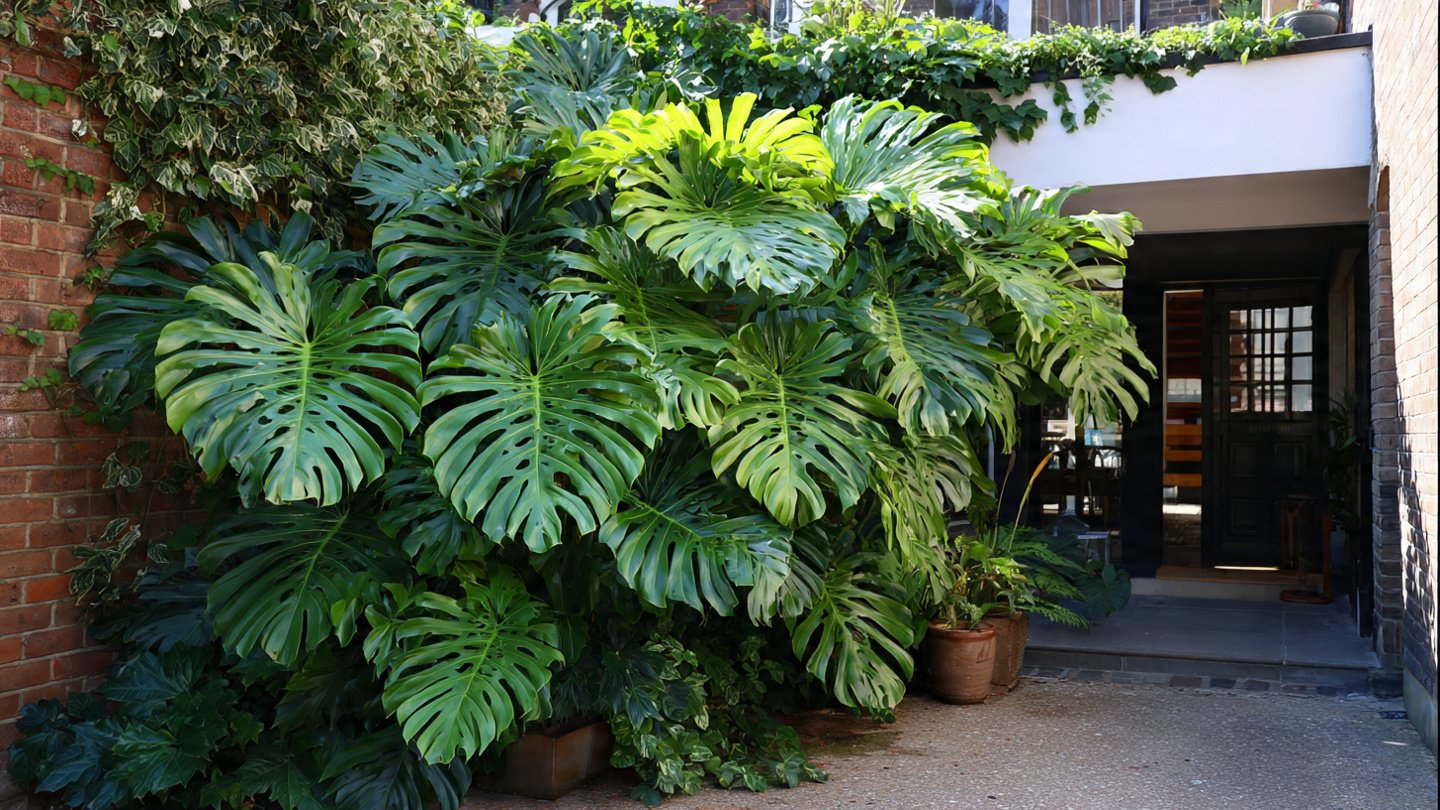
Few plants can instantly add a touch of luxury, tropical elegance, and lush greenery to a garden like the Monstera. Known for its large, glossy leaves with unique fenestrations (splits and holes), the Monstera plant is a favorite for gardeners, interior decorators, and plant enthusiasts alike. While commonly grown indoors, Monstera can also thrive outdoors in the right conditions, creating a striking tropical ambiance in your garden or patio.
This guide explores how to transform your outdoor space with Monstera plants, offering tips on selection, planting, care, design ideas, and maintenance to achieve a lush, exotic garden look.
Why Choose Monstera for Outdoor Spaces
Monstera plants offer multiple benefits for outdoor gardening:
- Visual Appeal: The dramatic, split leaves create a tropical jungle feel, instantly elevating your garden’s aesthetic.
- Easy Maintenance: Monsteras are hardy and resilient, adapting to a range of outdoor conditions in tropical and subtropical climates.
- Air Purification: Like many tropical plants, Monstera helps purify the surrounding air, promoting a healthier outdoor environment.
- Versatility: Suitable for pots, hanging baskets, or ground planting, Monsteras can complement various garden styles.
- Longevity: With proper care, Monstera plants grow large, lasting many years while continuously adding beauty to your landscape.
A garden with Monsteras evokes tropical tranquility and lush greenery, making it a perfect backdrop for relaxation, entertaining, or even photography.
Selecting the Right Monstera Variety
Choosing the right Monstera variety ensures your outdoor garden flourishes:
- Monstera deliciosa: The classic “Swiss cheese plant” with large, iconic split leaves.
- Monstera adansonii: Smaller, delicate leaves with perforations, ideal for containers or hanging arrangements.
- Monstera Thai Constellation: A variegated variety with striking cream-colored leaf patterns.
- Monstera borsigiana: Compact, fast-growing, and perfect for smaller outdoor spaces.
When selecting a variety, consider:
- Available space (some can grow several feet wide).
- Sunlight exposure (most Monsteras prefer partial shade).
- Aesthetic preferences (variegated vs. all-green leaves).
Selecting the right variety ensures thriving growth and a stunning visual impact in your tropical garden.
Preparing Your Outdoor Garden for Monstera
Monsteras thrive in well-prepared soil and favorable microclimates. Proper preparation ensures strong growth and lush foliage.
1. Choose the Right Location
- Monsteras prefer partial shade or dappled sunlight. Too much direct sunlight can scorch their leaves.
- Ideal placement includes under canopy trees, pergolas, or shaded patios.
- Ensure the location has good air circulation, reducing the risk of fungal infections.
2. Soil Preparation
- Monsteras require well-draining, fertile soil rich in organic matter.
- Mix garden soil with compost, leaf mold, and perlite to improve drainage and aeration.
- Slightly acidic to neutral soil pH (6.0–7.0) is ideal for optimal growth.
3. Containers and Planting Beds
- For container gardening, use large pots (12–20 inches in diameter) with drainage holes.
- For ground planting, ensure raised beds or mounds if the soil retains water to avoid root rot.
- Consider using grow bags or planter boxes if space or mobility is limited.
Proper site and soil preparation ensure Monsteras establish quickly and develop lush leaves.
Planting Monstera Outdoors
Planting correctly is crucial for long-term health and growth.
Step 1: Preparing the Plant
- Inspect roots for damage or rot.
- Trim dead or unhealthy leaves before planting.
Step 2: Digging the Hole
- For ground planting, dig a hole twice the width of the root ball and slightly deeper.
- Loosen soil at the bottom to allow roots to spread easily.
Step 3: Planting
- Place the plant in the hole or pot, ensuring the root crown is level with the soil surface.
- Fill the soil around the roots gently, pressing lightly to remove air pockets.
- Water immediately to settle the soil and encourage root establishment.
Step 4: Mulching
- Apply 2–3 inches of organic mulch around the base of the plant.
- Mulch retains soil moisture, suppresses weeds, and regulates soil temperature.
Proper planting ensures Monsteras establish quickly and develop dense, healthy foliage.
Essential Care for Lush Monstera Growth
Monsteras are relatively low-maintenance, but consistent care enhances leaf size, color, and overall plant health.
1. Watering
- Monsteras prefer evenly moist soil, but avoid waterlogging.
- Water thoroughly when the top inch of soil feels dry.
- Container plants may require more frequent watering than ground-planted Monsteras.
2. Fertilization
- Apply balanced slow-release fertilizers every 6–8 weeks during the growing season.
- Organic options like compost tea, fish emulsion, or worm castings boost growth naturally.
- High-nitrogen fertilizers promote larger leaves and vigorous vegetative growth.
3. Pruning and Training
- Prune yellowing or damaged leaves to maintain plant health.
- Use stakes, trellises, or moss poles to support climbing Monsteras, allowing leaves to develop proper splits.
- Regular pruning encourages bushier growth and enhances visual appeal.
4. Pest and Disease Management
- Common pests include spider mites, aphids, and mealybugs.
- Spray with neem oil or insecticidal soap to control infestations.
- Fungal diseases can be minimized with proper spacing, good airflow, and avoiding overhead watering.
Proper care ensures dense, glossy, and healthy foliage, creating the tropical look you desire.
Design Ideas for a Tropical Outdoor Monstera Garden
Monsteras are versatile and can enhance any outdoor space. Here are some ideas:
- Focal Point Planting: Use a large Monstera deliciosa as a centerpiece in garden beds or patios.
- Container Grouping: Combine Monsteras with other tropical plants like Bird of Paradise, Calathea, or Philodendron for a layered effect.
- Vertical Jungle: Train climbing Monsteras along trellises or pergolas for a lush vertical tropical wall.
- Patio Decor: Place potted Monsteras on patios, balconies, or outdoor seating areas to create a tropical retreat vibe.
- Mixed Foliage Beds: Mix Monsteras with ferns, elephant ear plants, and colorful foliage plants for contrast and depth.
Creative placement ensures a dramatic tropical look that transforms your outdoor area into a luxurious garden retreat.
Seasonal Care for Outdoor Monsteras
- Summer: Water frequently during hot months; partial shade prevents leaf scorching.
- Winter: In cooler climates, provide frost protection or move potted Monsteras indoors.
- Rainy Season: Ensure proper drainage to prevent root rot; avoid standing water around plants.
- Dry Season: Mulch and occasional misting help maintain humidity and prevent leaf drying.
Seasonal adjustments maximize vigor, leaf size, and aesthetic appeal.
Benefits of Growing Monstera Outdoors
- Stunning Tropical Aesthetic: Instantly elevates garden design with exotic foliage.
- Low Maintenance: Hardy and adaptable to different soil and light conditions.
- Air Purification: Leaves improve outdoor air quality and ambiance.
- Longevity: With proper care, Monsteras thrive for years, continually enhancing garden beauty.
- Versatility: Suitable for beds, borders, containers, and vertical displays.
Outdoor Monsteras are a long-term investment in beauty, greenery, and serenity.
Conclusion
Transforming your outdoor space with lush Monstera plants is a simple yet highly effective way to create a tropical garden look. With their dramatic, fenestrated leaves, versatility, and ease of care, Monsteras provide both visual appeal and functional benefits.
By selecting the right variety, preparing soil properly, planting with care, and providing consistent watering, fertilization, and pruning, you can cultivate healthy, thriving Monstera plants that elevate your garden into a tropical paradise. Combine them with other tropical plants, use creative container arrangements, and take advantage of vertical spaces to achieve a stunning, exotic garden aesthetic.
Monsteras are not just plants; they are living statements of tropical elegance. With a little attention and care, your outdoor garden can become a lush, green retreat, perfect for relaxing, entertaining, and enjoying the beauty of nature.
Bring home Monsteras, and watch your outdoor space transform into a tropical sanctuary full of color, texture, and vitality.