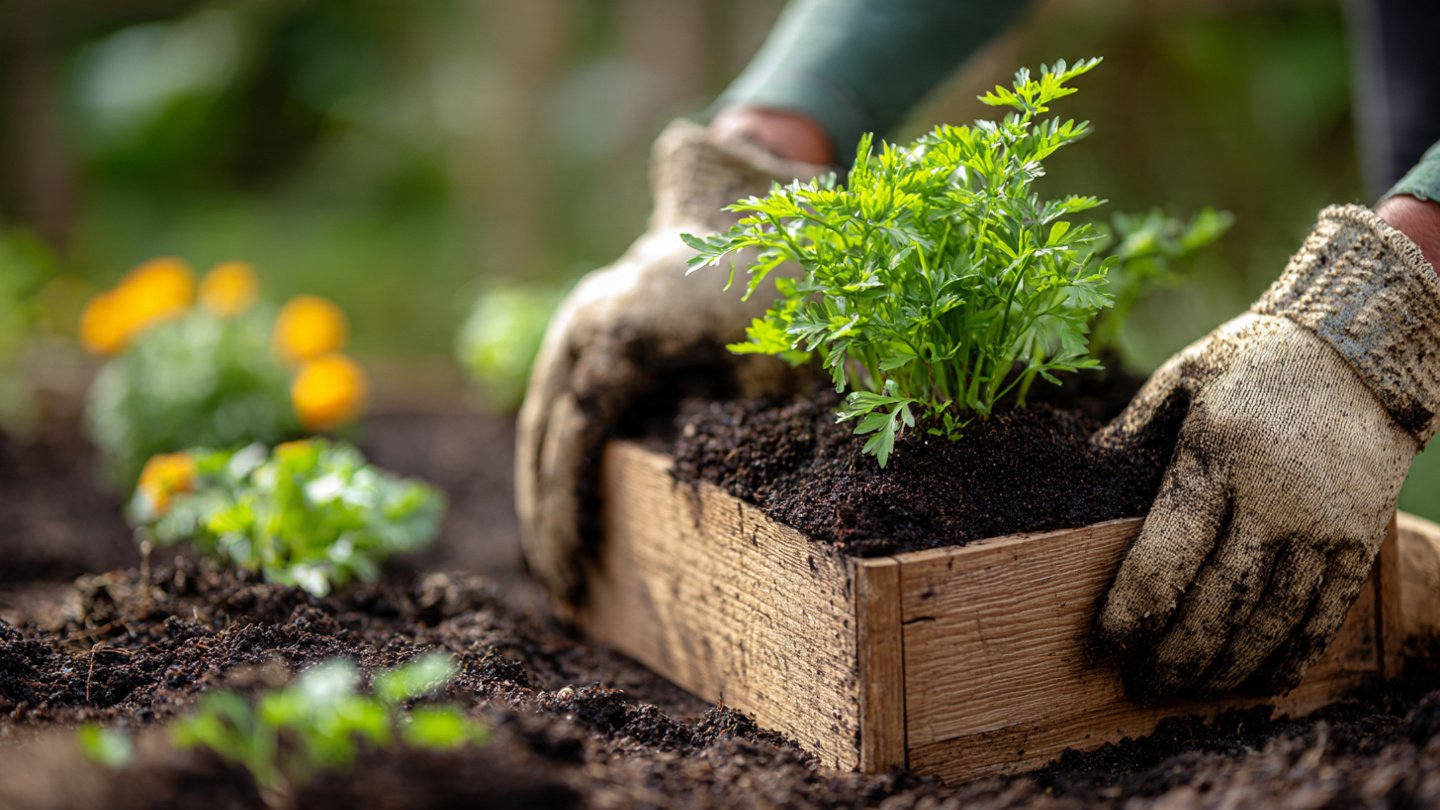
A thriving garden doesn’t just depend on sunlight, water, or the occasional pruning—it starts with healthy soil. Soil is the foundation of every garden, supporting plant roots, retaining moisture, and hosting the countless microorganisms that keep your garden ecosystem balanced. Surprisingly, one simple morning habit can significantly improve soil health and, over time, transform your garden into a flourishing, vibrant space.
Here’s how incorporating this habit into your daily routine can revitalize your soil and help your plants thrive like never before.
Why Soil Health Matters
Healthy soil is more than just dirt. It’s a dynamic environment rich with microorganisms, organic matter, and nutrients essential for plant growth. The benefits of well-maintained soil include:
- Stronger Plant Growth: Nutrient-rich soil promotes robust root systems and vibrant leaves.
- Better Moisture Retention: Healthy soil absorbs water efficiently, reducing the need for frequent watering.
- Disease Resistance: Balanced soil microbial life helps plants resist pests and diseases naturally.
- Sustainable Gardening: Healthy soil reduces reliance on chemical fertilizers and pesticides.
By nurturing your soil, you’re indirectly ensuring the long-term health and productivity of your garden.
The Morning Habit: Daily Soil Care
The morning habit we’re talking about is a brief daily soil stimulation and care routine—spending just 10 to 15 minutes each morning checking, aerating, and nurturing your garden soil. This small investment of time creates huge long-term rewards.
Step 1: Early Morning Observation
Begin your routine by observing your garden. Morning is ideal because the soil is slightly damp from overnight moisture, making it easier to assess conditions. Look for:
- Soil Moisture: Check if the soil is dry, damp, or overly wet. Healthy soil should be moist but not soggy.
- Compacted Areas: Heavily trodden spots may need loosening to allow air, water, and nutrients to penetrate.
- Signs of Life: Healthy soil teems with earthworms, insects, and microbial activity. The presence of these creatures is a good indicator of soil health.
Observation helps you identify areas that need attention and ensures that your soil stays in balance.
Step 2: Gentle Soil Aeration
Aerating your soil daily, even briefly, improves oxygen flow to plant roots and stimulates microbial life. This can be done without heavy tools. Here’s how:
- Use a garden fork or hand tool to gently loosen the top layer of soil around plants. Avoid disturbing roots.
- For potted plants, simply stir the topsoil lightly to break up crusts and allow air in.
- Focus on high-traffic or compacted areas first, such as pathways or vegetable beds.
Aeration encourages beneficial microbes to thrive, promotes faster decomposition of organic matter, and prevents waterlogging, creating an ideal environment for plants.
Step 3: Feed the Soil
Healthy soil requires nourishment just like plants do. During your morning routine, consider:
- Compost Application: Spread a thin layer of compost over the soil surface. This adds organic matter, improves structure, and feeds microbes.
- Natural Mulch: Use straw, leaves, or grass clippings to retain moisture, regulate temperature, and gradually enrich the soil.
- Liquid Fertilizers: For a quick boost, use compost tea or diluted organic fertilizers in the early morning to avoid evaporation and maximize absorption.
Feeding your soil regularly ensures that your garden stays fertile and productive without relying heavily on synthetic chemicals.
Step 4: Encourage Soil Microbial Activity
Microbes are the hidden heroes of soil health. Bacteria, fungi, and earthworms decompose organic matter, release nutrients, and support plant growth. You can encourage microbial life with a simple morning habit:
- Moisture Balance: Lightly water soil in the morning to create a favorable environment for microbes. Avoid overwatering, which can drown them.
- Organic Matter: Regularly incorporate compost, shredded leaves, or plant trimmings into your soil. These materials feed microbes naturally.
- Avoid Harsh Chemicals: Limit the use of pesticides and chemical fertilizers, which can disrupt microbial ecosystems.
Consistently nurturing microbes creates a self-sustaining soil ecosystem that strengthens your garden over time.
Step 5: Routine Check for Pests and Diseases
While observing soil, you can also check for early signs of pests or disease. Catching issues early prevents major problems and reduces the need for chemical treatments:
- Look for unusual discoloration in leaves or stems.
- Spot unusual patterns of soil disturbance, which may indicate pests like grubs or soil-dwelling insects.
- Remove infested leaves or affected soil areas promptly.
Morning is the perfect time because cooler temperatures make insects less active and easier to detect.
Benefits of a Morning Soil Routine
Incorporating this daily habit brings numerous long-term benefits:
- Improved Plant Health: Plants thrive in nutrient-rich, well-aerated soil. Strong roots lead to stronger, more resilient plants.
- Reduced Watering Needs: Healthy soil retains moisture better, meaning less time spent watering.
- Greater Yields: For vegetable and fruit gardens, enriched soil translates into more productive plants.
- Less Pest Pressure: Balanced soil microbiomes naturally suppress harmful pests.
- Sustainable Gardening Practices: Encouraging natural soil fertility reduces dependency on chemicals and supports an eco-friendly garden.
Extra Tips for Maximizing Soil Life
- Rotate Crops: In vegetable gardens, rotate plant types to prevent soil depletion and encourage diverse microbial communities.
- Cover Crops: Planting cover crops like clover or legumes adds nitrogen and organic matter to the soil during off-seasons.
- Avoid Over-Tilling: While light aeration is beneficial, excessive tilling disrupts soil structure and microbial habitats.
- Use Companion Plants: Certain plants, such as marigolds or herbs, can enrich soil and deter pests naturally.
Implementing these tips alongside your morning routine strengthens the positive impact on your garden ecosystem.
Making It a Habit
The success of this morning habit lies in consistency. Here’s how to integrate it seamlessly into your daily routine:
- Set a Reminder: Schedule your morning soil check for the same time each day, ideally after sunrise.
- Combine With Other Tasks: Pair this routine with watering, checking plants for growth, or tending to your garden paths.
- Keep Tools Handy: Store compost, mulch, and small tools near your garden to make the process effortless.
- Track Progress: Keep a simple journal to note soil conditions, plant growth, and any pest activity. This helps you stay consistent and see improvements over time.
Even 10–15 minutes each morning can gradually transform your garden into a thriving, resilient ecosystem.
Conclusion
Healthy soil is the foundation of a vibrant garden, and caring for it doesn’t have to be overwhelming. By adopting a simple morning habit of observing, aerating, feeding, and nurturing your soil, you can significantly boost soil life and plant health. Over time, this routine prevents compaction, encourages beneficial microbes, reduces pest problems, and improves water retention, all while making your garden more productive and beautiful.
The best part? This practice requires only a few minutes each morning but delivers lasting results. By investing in the soil beneath your feet, you’re investing in the long-term health, beauty, and productivity of your garden. Start tomorrow morning, and watch your garden flourish like never before—one small daily habit at a time.