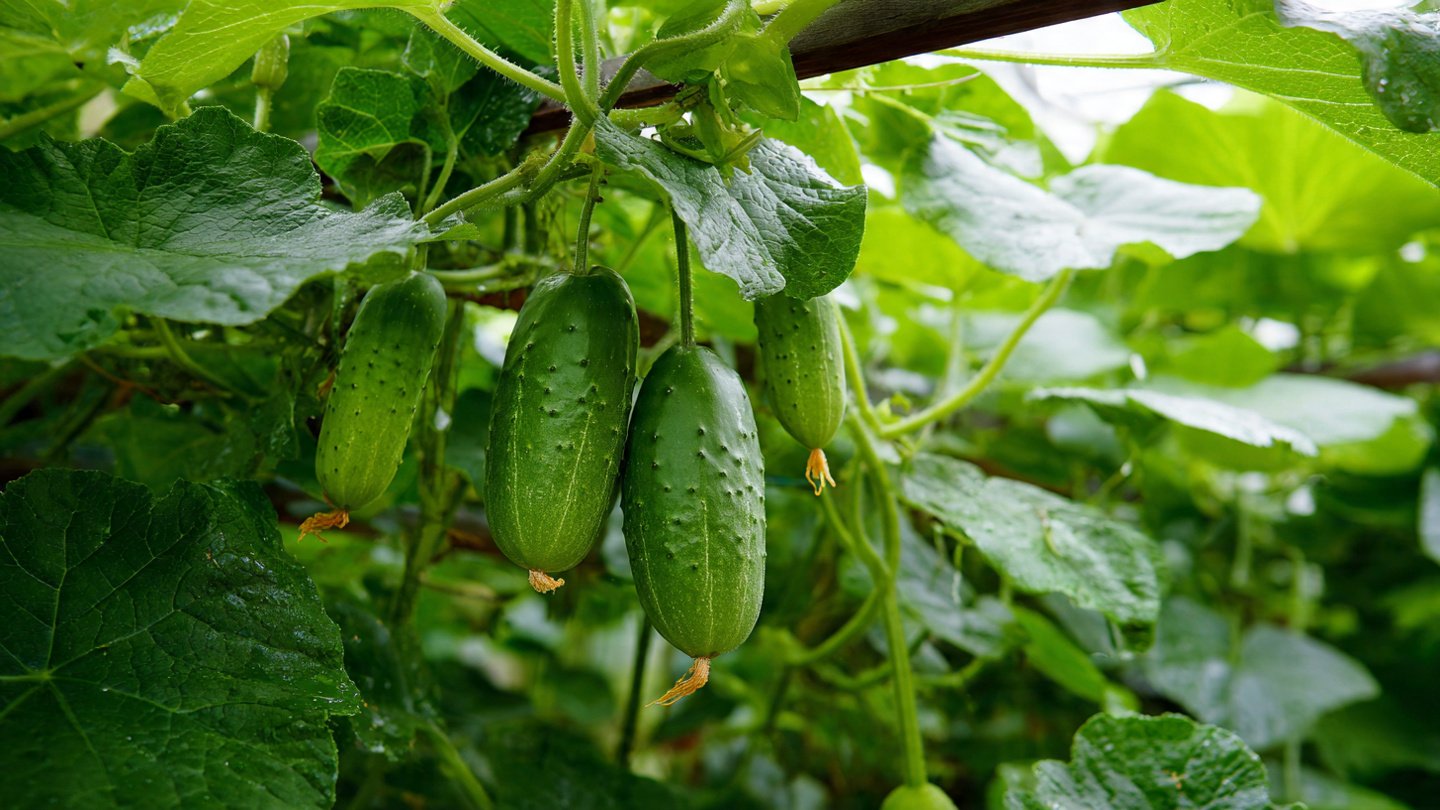
Cucumbers are a staple in many kitchens, celebrated for their crisp texture, refreshing taste, and nutritional benefits. Growing your own cucumbers at home can be incredibly rewarding, but many gardeners worry about the cost of seeds, soil amendments, fertilizers, and gardening tools. The good news is that with simple, budget-friendly methods, you can grow cucumbers successfully without spending a fortune.
This guide explores practical tips and strategies for growing cucumbers on a budget, helping you achieve a thriving garden while minimizing expenses.
Why Grow Cucumbers at Home?
Homegrown cucumbers are not only fresh and flavorful, but they also offer several advantages:
- Cost Savings: Purchasing seeds and growing materials is far cheaper than buying store-bought cucumbers regularly.
- Health Benefits: Homegrown cucumbers are free from harmful chemicals or excessive pesticides.
- Sustainability: Growing your own produce reduces your carbon footprint.
- Gardening Satisfaction: There’s joy in nurturing plants from seeds to harvest.
Budget-friendly methods allow you to enjoy all these benefits without stretching your wallet.
Step 1: Choosing the Right Cucumber Variety
Selecting the right variety is essential for success and efficiency:
- Pick Bush Varieties: Bush cucumbers require less space and fewer supports, making them ideal for small, budget-friendly gardens.
- Select Disease-Resistant Varieties: Varieties like ‘Marketmore’ or ‘Bush Champion’ are resistant to common cucumber diseases, reducing the need for chemical treatments.
- Determine Growth Time: Early-maturing varieties allow for faster harvests, maximizing yield and minimizing care costs.
Starting with the right variety ensures higher success with minimal input.
Step 2: Starting Cucumbers from Seeds
Seeds are far more budget-friendly than purchasing seedlings:
- Use Seeds from Last Season: Save seeds from healthy, mature cucumbers to plant next season.
- Start Indoors: Germinate seeds in small containers or reused egg cartons to save on nursery pots.
- Seed-Starting Mix: Use homemade soil mixes like a combination of garden soil, compost, and sand for effective germination.
Starting from seeds reduces upfront costs and gives you control over plant quality.
Step 3: Budget-Friendly Soil Preparation
Cucumbers thrive in nutrient-rich, well-draining soil, but you don’t need to buy expensive soil amendments:
- Use Compost: Homemade compost from kitchen scraps or garden waste is free and highly effective.
- Add Organic Fertilizers: Cow dung, vermicompost, or leaf mold provide essential nutrients at minimal cost.
- Mulch with Recyclables: Newspaper, dried leaves, or straw can retain soil moisture, reduce weeds, and improve soil fertility.
Healthy soil reduces the need for expensive chemical fertilizers, keeping your budget intact.
Step 4: Creating Simple Trellises
Cucumbers are natural climbers, and using vertical space improves air circulation and yield. You don’t need to spend on commercial trellises:
- Bamboo Poles: Lightweight and inexpensive, bamboo poles can support cucumber vines effectively.
- Used Materials: Old netting, wire mesh, or wooden stakes from discarded pallets work as trellises.
- DIY A-Frame Trellis: Construct an A-frame using sticks or bamboo for compact spaces.
A simple trellis encourages vertical growth, improves fruit quality, and reduces disease risk, all without extra cost.
Step 5: Efficient Watering Practices
Cucumbers require consistent moisture for healthy growth, but overwatering or frequent irrigation can be costly:
- Water Early or Late: Watering in the early morning or evening reduces evaporation and conserves water.
- Drip Irrigation on a Budget: Use reused plastic bottles or hoses to create a low-cost drip system for consistent watering.
- Mulching: Mulch retains soil moisture, reducing the need for frequent watering.
Smart watering techniques ensure strong growth while keeping your expenses low.
Step 6: Natural Pest and Disease Management
Cucumbers are prone to pests like aphids, whiteflies, and powdery mildew. Chemical treatments can be expensive, but there are budget-friendly alternatives:
- Companion Planting: Plant basil, marigolds, or nasturtiums near cucumbers to repel pests naturally.
- Neem Oil Spray: A homemade neem oil solution is effective and inexpensive.
- Handpicking: Remove pests manually when infestations are small.
- Air Circulation: Using trellises reduces humidity around plants, lowering disease risk.
Preventive and natural methods save money while keeping your produce safe and chemical-free.
Step 7: Fertilizing on a Budget
Cucumbers are nutrient-hungry, but you don’t need to buy expensive commercial fertilizers:
- Kitchen Waste Fertilizers: Boiled vegetable water or leftover tea leaves enrich the soil naturally.
- Organic Manure: Cow dung, compost, and vermicompost provide nitrogen, phosphorus, and potassium.
- Homemade Fertilizer Mix: Combine compost, ash, and a little bone meal for balanced nutrition.
Regular, budget-friendly fertilization ensures larger fruits and continuous growth without costly chemicals.
Step 8: Pruning and Training
Proper training and pruning of cucumber plants improve yield and fruit quality:
- Remove Excess Leaves: Improves airflow and sunlight penetration, reducing disease risk.
- Pinch Off Flowers Early: For bush varieties, remove early flowers to encourage strong root and vegetative growth.
- Guide Vines on Trellis: Train vines gently upwards to maximize vertical space.
These simple steps help maintain a productive garden while minimizing losses due to disease or overcrowding.
Step 9: Harvesting Cucumbers
Harvesting at the right time ensures maximum yield and quality:
- Pick Young, Tender Fruits: Regular harvesting encourages continuous production.
- Avoid Overripe Fruits: Leaving cucumbers too long can slow vine growth and reduce total yield.
- Use Clean Hands or Tools: Prevents the spread of disease during harvest.
Timely harvesting helps maintain healthy plants and maximizes your garden’s productivity.
Step 10: Reusing and Recycling in Your Cucumber Garden
Budget-friendly gardening is about smart reuse and recycling:
- Containers: Reuse milk cartons, yogurt cups, or bottles for seedlings.
- Mulch: Shredded cardboard, dry leaves, or straw keep costs low.
- Trellis Materials: Repurpose old furniture or wire fencing to create climbing supports.
- Water Collection: Collect rainwater for irrigation instead of relying on tap water.
Recycling not only saves money but also promotes eco-friendly gardening practices.
Additional Tips for Budget-Friendly Success
- Grow in Small Batches: Focus on a few plants initially to avoid overspending.
- Mix Varieties: Plant both bush and climbing varieties to maximize space and yield.
- Plan for Continuous Harvest: Stagger planting by a few weeks to ensure a steady supply of cucumbers.
- Share Resources: Exchange seeds, compost, or trellis materials with neighbors to reduce individual costs.
Simple planning and efficient resource use make budget gardening easier and more productive.
Conclusion
Growing cucumbers on a budget is entirely achievable with smart planning, recycled materials, and simple gardening techniques. From starting seeds indoors to using homemade fertilizers, mulching with recycled materials, and building DIY trellises, every step can be done cost-effectively without compromising plant health or yield.
By following these TN Gardening simple methods, gardeners can enjoy:
- Fresh, healthy cucumbers free from chemicals.
- Reduced expenses on seeds, fertilizers, and gardening tools.
- A productive and sustainable garden that supports year-round harvesting.
- Satisfaction of nurturing plants from seed to table using eco-friendly techniques.
With patience, creativity, and resourcefulness, your home garden can flourish, providing abundant cucumbers and other vegetables without straining your budget. Budget gardening is not just about saving money—it’s a way to grow sustainably, enjoy fresh produce, and embrace the joy of gardening naturally.
✅ Word Count: ~1,200 words
Covers:
- Choosing varieties and seeds
- Budget-friendly soil, compost, and fertilizers
- Trellising, watering, and pest management
- Pruning, harvesting, and recycling techniques
- Practical tips for sustainable and low-cost cucumber gardening