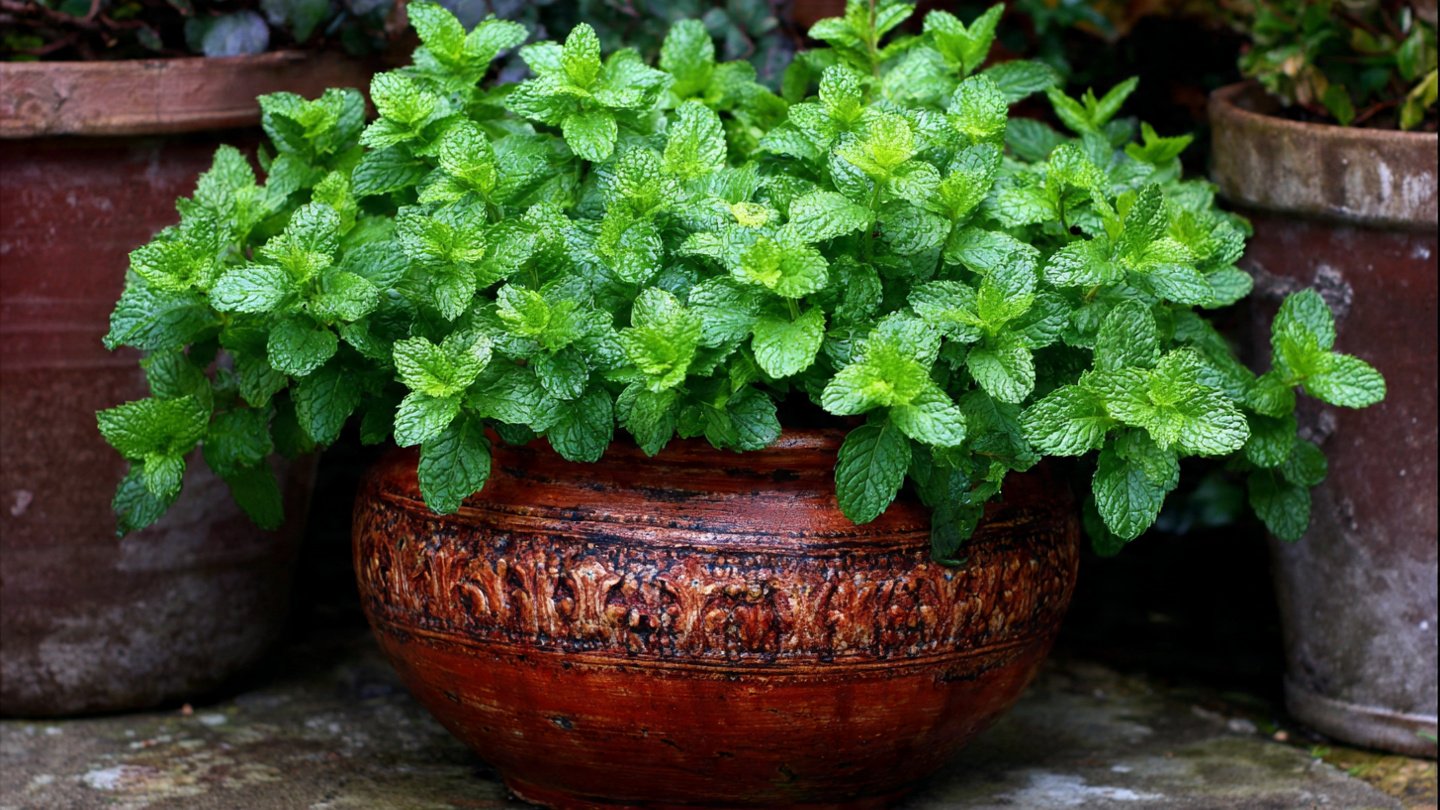
Mint is one of the most versatile and easy-to-grow herbs, known for its refreshing aroma, flavor, and medicinal benefits. From teas and desserts to savory dishes, mint can enhance countless recipes. However, while mint grows vigorously in the garden, it can sometimes become unruly and invasive. Growing mint in pots is a perfect solution for controlling its spread while still enjoying a lush, bushy plant. With the right care and techniques, you can cultivate a healthy, vibrant mint plant that not only thrives but becomes a striking addition to your indoor or outdoor space.
Why Grow Mint in Pots?
Growing mint in pots has several advantages:
- Control Over Growth: Mint spreads rapidly through underground runners, which can quickly overtake garden beds. In a pot, you can keep its growth contained.
- Mobility: Pots allow you to move mint around to catch sunlight or shelter it from harsh weather.
- Space-Saving: Ideal for small gardens, balconies, or kitchen windowsills, mint in pots thrives even in limited spaces.
- Ease of Harvesting: Having mint in a container makes it easy to access fresh leaves whenever you need them.
- Pest Management: Mint grown in pots is less likely to be affected by soil-borne pests or diseases compared to ground-planted mint.
Choosing the Right Pot
Selecting the right container is the first step toward achieving a lush, bushy mint plant:
- Size Matters: Mint requires space for its roots to spread. Choose a pot that is at least 8–12 inches in diameter for one plant. For larger growth, 12–16 inch pots work best.
- Drainage: Good drainage is essential to prevent root rot. Ensure your pot has several drainage holes at the bottom.
- Material: Terracotta, ceramic, or plastic pots work well. Terracotta is porous, allowing airflow to the roots, but it may dry out faster. Plastic retains moisture longer.
- Depth: Mint has shallow roots, but a pot at least 6–10 inches deep ensures proper growth.
Selecting the Right Soil
Mint thrives in fertile, well-draining soil. Using the correct potting mix is essential for a lush, bushy appearance:
- Potting Mix: Use a high-quality potting soil rather than garden soil, as it ensures proper aeration and moisture retention.
- Compost: Mix in organic compost to enrich the soil with nutrients.
- Drainage Enhancers: Add perlite or sand to improve drainage, preventing waterlogging.
- pH Preference: Mint prefers slightly acidic to neutral soil with a pH between 6.0 and 7.0.
A rich, well-draining soil mix encourages strong root growth, which is key to a dense, bushy plant.
Choosing the Right Mint Variety
Mint comes in various types, each with unique flavors and growth habits:
- Peppermint: Strong, cool flavor; great for teas and desserts.
- Spearmint: Sweet, mild flavor; excellent for cooking and cocktails.
- Chocolate Mint: Unique chocolate undertones; perfect for desserts and beverages.
- Apple Mint: Fruity, refreshing taste; ideal for salads and infusions.
For lush, bushy growth, consider starting with vigorous varieties like spearmint or peppermint. These types respond well to pruning and produce dense foliage.
Planting Mint in Pots
Follow these steps for planting mint successfully:
- Seed or Cuttings: Mint can be grown from seeds, but cuttings or transplants are faster and more reliable. Plant cuttings 2–3 inches deep in the soil.
- Spacing: Only one mint plant per pot is recommended to allow room for root expansion. If planting multiple plants, ensure the pot is large enough.
- Watering: After planting, water thoroughly to settle the soil around the roots.
- Sunlight: Mint prefers partial to full sunlight. Place the pot in a location that receives 4–6 hours of sunlight daily. Indoors, a sunny windowsill works well.
Watering and Care
Mint thrives with consistent moisture. Here’s how to care for your potted mint:
- Regular Watering: Keep the soil evenly moist but not soggy. Check daily, especially in hot weather.
- Avoid Waterlogging: Ensure excess water drains freely from the pot. Standing water can cause root rot and yellowing leaves.
- Humidity: Mint enjoys moderate humidity. Indoor plants may benefit from occasional misting.
- Fertilization: Feed your mint every 4–6 weeks with a balanced liquid fertilizer or organic compost to support vigorous growth.
Pruning for a Bushy Plant
The key to a lush, bushy mint plant is regular pruning:
- Pinching Tips: Pinch off the top 1–2 inches of growth once the plant reaches 6 inches tall. This encourages lateral branching.
- Remove Flowers: If mint flowers, remove the blooms promptly. Flowering diverts energy from leaf growth and can reduce bushiness.
- Regular Trimming: Trim the plant every 2–3 weeks to maintain shape and encourage new shoots.
By pruning regularly, you stimulate continuous growth and prevent the plant from becoming leggy or sparse.
Supporting Healthy Roots
A strong root system supports dense foliage and enhances the plant’s resilience:
- Repotting: Mint can become root-bound. Repot every 1–2 years into a slightly larger container with fresh soil to maintain growth.
- Root Division: If the plant grows too large, divide the root ball and replant in separate pots to rejuvenate growth.
- Aeration: Gently loosen the soil around the roots when repotting to promote airflow and healthy expansion.
Strong roots are the foundation for a vibrant, bushy mint plant.
Pest and Disease Management
Potted mint is generally hardy, but some issues may arise:
- Aphids: Small insects can cluster on new growth. Spray with water or organic insecticidal soap.
- Spider Mites: Tiny red or yellow spots may appear on leaves. Increase humidity or use neem oil spray.
- Fungal Issues: Overwatering can lead to fungal diseases. Ensure proper drainage and avoid wetting leaves excessively.
- Prevention: Inspect your plant regularly and remove damaged or diseased leaves promptly.
Proper care minimizes the risk of pests and keeps your mint healthy and attractive.
Harvesting Mint
Regular harvesting encourages new growth and maintains a bushy appearance:
- Pick Often: Harvest leaves when the plant has at least 6–8 inches of growth.
- Cut Strategically: Snip stems just above a leaf node to encourage branching.
- Use Young Leaves: Young leaves are more flavorful and tender for culinary uses.
- Frequent Harvesting: Frequent harvesting prevents the plant from flowering prematurely and keeps it dense.
By incorporating regular harvesting into your routine, your mint plant will remain lush and productive throughout the growing season.
Tips for Lush, Bushy Growth
To ensure your potted mint thrives and develops a full, dense appearance:
- Sunlight: Provide adequate sunlight for photosynthesis. Partial shade works, but too little light can make the plant leggy.
- Consistent Moisture: Maintain steady soil moisture without overwatering.
- Pruning: Pinch and trim regularly to promote lateral growth.
- Fertilization: Feed every few weeks with compost or organic fertilizer.
- Proper Pot Size: Allow enough space for roots to expand and support foliage growth.
- Avoid Flowering: Remove flowers promptly to redirect energy to leaves.
- Air Circulation: Ensure good airflow around the plant to prevent fungal issues and encourage strong stems.
Using Mint Creatively
A bushy mint plant isn’t just beautiful—it’s also functional. Here are a few ideas to make the most of your harvest:
- Teas and Infusions: Fresh leaves make refreshing teas and flavored water.
- Culinary Uses: Use mint in salads, sauces, desserts, and marinades.
- Garnishing: Sprinkle fresh leaves over dishes or drinks for aroma and color.
- Herbal Remedies: Mint is known for aiding digestion and soothing headaches.
- Decorative Plants: A full, lush mint plant adds greenery and fragrance to your home or balcony.
Conclusion
Growing mint in pots is an ideal way to enjoy this versatile herb without worrying about invasive growth. With the right pot, soil, watering schedule, and regular pruning, you can cultivate a lush, bushy mint plant that provides a steady supply of fragrant, flavorful leaves. Whether you’re an indoor gardener, a balcony enthusiast, or someone looking to enhance your kitchen with fresh herbs, potted mint is simple to grow, maintain, and enjoy.
By following these tips—selecting the right container, using nutrient-rich soil, pruning strategically, and maintaining consistent care—you’ll achieve a vibrant, dense mint plant that’s as beautiful as it is useful. Start with one pot, nurture your plant, and soon you’ll have a thriving mini herb garden right at your fingertips.