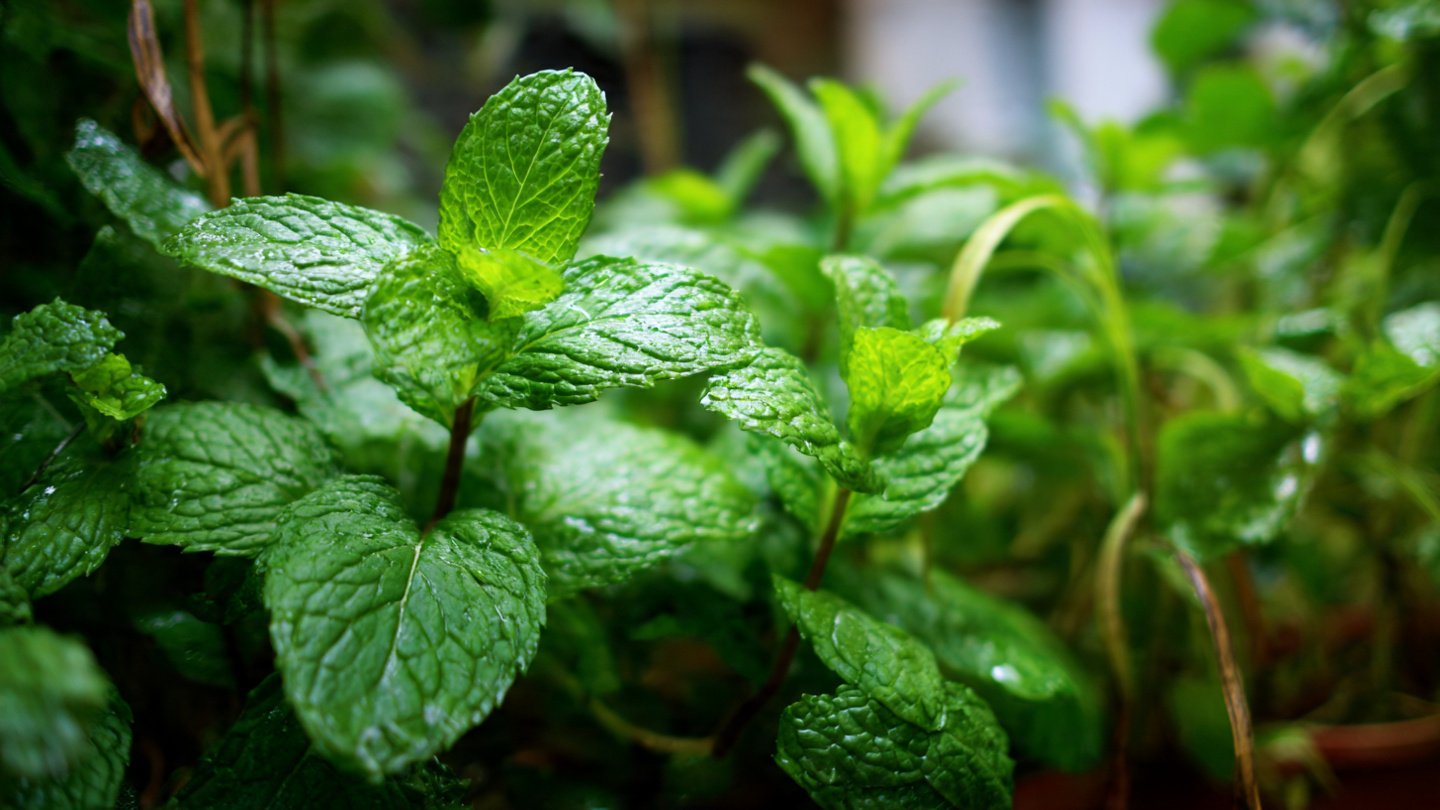
For gardeners and culinary enthusiasts alike, fresh herbs are a game-changer. Two of the most versatile and easy-to-grow herbs are mint (Mentha spp.) and lemongrass (Cymbopogon citratus). Both add distinct flavors to teas, cocktails, and dishes while offering health benefits and aromatic appeal. While many gardeners enjoy cultivating herbs at a leisurely pace, some prefer fast-growing herbs that provide a quick harvest for immediate use. This guide will walk you through proven tips for growing mint and lemongrass rapidly, ensuring you have fresh herbs in your kitchen in no time.
1. Understanding Mint and Lemongrass Growth Habits
Before diving into fast-growing techniques, it helps to understand the natural tendencies of these herbs:
- Mint: Mint is a vigorous perennial herb known for its fast spread and strong flavor. It produces new stems rapidly and thrives in containers and gardens alike. However, uncontrolled spreading can become invasive.
- Lemongrass: Lemongrass is a tropical grass that grows in clumps. While it prefers warm climates, it can be grown in pots indoors or in temperate regions during warmer months. Lemongrass grows quickly once established, with long, sword-like leaves forming dense clusters.
Knowing how each herb grows allows gardeners to optimize conditions for rapid leaf production and overall harvest.
2. Selecting the Right Varieties
Choosing the appropriate variety ensures rapid growth and flavor quality:
- Mint: Popular fast-growing varieties include peppermint, spearmint, and chocolate mint. Spearmint tends to grow faster and is more vigorous, making it ideal for quick harvests.
- Lemongrass: Culinary lemongrass (Cymbopogon citratus) is the most common variety for kitchen use. Other ornamental lemongrass types grow more slowly and are less flavorful.
Starting with vigorous, proven varieties is the first step toward a fast-growing herb garden.
3. Choosing the Ideal Planting Location
Sunlight and space are critical for both mint and lemongrass:
- Sunlight: Both herbs thrive in full sun (6–8 hours daily). Lemongrass prefers warm, bright locations, while mint can tolerate partial shade.
- Soil: Well-draining, fertile soil is ideal. Lemongrass benefits from sandy-loamy soil, while mint tolerates a broader range but prefers slightly acidic to neutral soil (pH 6–7).
- Container gardening: For quick growth and easier management, grow mint and lemongrass in pots. Containers limit mint’s invasive spread and allow lemongrass to be moved indoors during cold months.
Providing optimal light and soil ensures faster growth and abundant leaf production.
4. Propagation Techniques for Rapid Growth
Fast-growing herbs benefit from the right propagation methods:
- Mint propagation: Mint spreads via runners or root division. To encourage rapid growth:
- Take cuttings from a healthy parent plant, 3–4 inches long.
- Remove lower leaves and place cuttings in water until roots develop (usually 7–10 days).
- Transplant rooted cuttings into soil for immediate growth.
- Lemongrass propagation: Lemongrass is commonly grown from stalks:
- Purchase fresh stalks with the bulb intact.
- Place them in water until roots emerge (1–2 weeks).
- Transfer rooted stalks to soil for fast establishment.
These methods bypass slow germination from seeds, producing a harvest-ready herb in weeks rather than months.
5. Watering for Rapid Leaf Production
Both herbs thrive with consistent hydration, which promotes rapid growth:
- Mint: Keep soil consistently moist but not waterlogged. Mint grows faster when roots have access to moisture without standing water.
- Lemongrass: Water deeply, allowing the soil to dry slightly between watering. Overwatering can slow root development.
- Container care: Ensure proper drainage to avoid root rot, which can hinder growth.
Balanced watering supports healthy foliage growth, ensuring quick, usable leaves.
6. Fertilization for Fast Growth
Providing nutrients at the right time accelerates leaf and stem development:
- Mint: Use a balanced, water-soluble fertilizer every 3–4 weeks. Avoid over-fertilizing, which can reduce flavor.
- Lemongrass: Apply a high-nitrogen fertilizer or compost to stimulate leaf growth. Fertilize every 4–6 weeks during active growth.
- Organic options: Fish emulsion or liquid seaweed can promote quick, lush growth for both herbs.
Fertilization ensures your herbs grow vigorously, producing more harvestable leaves in less time.
7. Pruning and Harvesting Techniques
Regular pruning encourages continuous growth and prevents woody stems:
- Mint:
- Harvest leaves frequently, cutting stems 1–2 inches above the soil.
- Avoid cutting more than one-third of the plant at a time.
- Frequent harvesting promotes lateral branching and a bushier plant.
- Lemongrass:
- Cut leaves from the outer stalks while leaving the center intact.
- Remove dead or yellowing leaves to encourage new growth.
- Harvest stalks 6–12 inches tall for culinary use.
By actively harvesting and pruning, plants grow faster and provide a continuous supply of fresh leaves.
8. Using Containers to Encourage Rapid Growth
Containers allow gardeners to optimize growth conditions:
- Mint: Grow in a 6–10 inch pot to prevent invasive spreading. Root-bound containers may limit rapid growth, so choose appropriately sized pots.
- Lemongrass: Use larger containers (12–14 inches) to allow clumps to expand. Adequate root space ensures faster leaf production.
- Mobility: Move containers to capture optimal sunlight or protect from extreme temperatures.
Container growing also makes managing water, soil fertility, and spacing easier, all of which contribute to rapid growth.
9. Environmental Tips for Speedy Growth
Environmental conditions greatly influence how quickly herbs grow:
- Temperature: Both mint and lemongrass prefer warm temperatures. Mint thrives at 65–70°F (18–21°C), while lemongrass prefers 75–85°F (24–29°C).
- Humidity: Moderate humidity enhances leaf turgor and growth. In dry climates, mist leaves occasionally or use a humidity tray.
- Air circulation: Good airflow prevents fungal diseases and encourages healthy, rapid growth.
Optimizing environmental conditions ensures your herbs grow fast and stay healthy.
10. Companion Planting for Faster Development
Planting herbs alongside complementary plants can boost growth:
- Mint companions: Basil, oregano, or chives benefit from mint’s pest-repelling properties. Avoid planting mint near aggressive vegetables that may compete for nutrients.
- Lemongrass companions: Tomatoes and peppers thrive near lemongrass, which can repel certain insects.
- Spacing strategy: Even in companion planting, allow enough space to avoid overcrowding, which slows growth.
Companion planting creates a thriving garden ecosystem, indirectly promoting faster herb development.
11. Pest and Disease Management
Healthy herbs grow faster, while stressed plants lag behind:
- Common pests for mint: Aphids, spider mites, and leaf miners. Remove affected leaves and use insecticidal soap if needed.
- Common pests for lemongrass: Aphids or mealybugs occasionally appear. Wash leaves with water and apply neem oil if infestation persists.
- Disease prevention: Avoid overhead watering, maintain proper spacing, and remove dead foliage promptly.
Addressing pests and diseases quickly ensures rapid, uninterrupted growth.
12. Succession Harvesting for Continuous Supply
To maximize your harvest and speed up usable yield:
- Mint: Harvest small amounts regularly rather than waiting for full stems. Frequent cutting encourages new shoots.
- Lemongrass: Harvest outer stalks while leaving the central growth intact. New leaves emerge faster this way.
- Replant cuttings: Both mint and lemongrass cuttings can be rooted to produce additional plants, increasing yield.
Succession harvesting ensures continuous availability of fresh herbs without compromising growth speed.
13. Quick Tips for Maximizing Flavor Alongside Growth
Fast-growing herbs are more enjoyable when flavor is maximized:
- Mint: Harvest leaves before flowering for the most aromatic taste.
- Lemongrass: Cut stalks when they are at least 6–12 inches tall for optimal flavor.
- Avoid over-fertilization: Too much nitrogen can make leaves grow quickly but taste bland.
Combining speed with flavor ensures that your herbs are both productive and delicious.
14. Conclusion
Growing mint and lemongrass for a rapid harvest is achievable with a few simple strategies. Selecting vigorous varieties, using proper propagation methods, optimizing light, water, and soil conditions, and practicing frequent pruning and harvesting can dramatically accelerate growth. Container gardening, companion planting, and careful environmental management further enhance the speed and quality of your herbs.
By following this fast-growing herb guide, beginners and experienced gardeners alike can enjoy a consistent supply of fresh mint and lemongrass throughout the growing season. Not only does this approach yield quick culinary rewards, but it also provides aromatic and aesthetic benefits for your garden or indoor space. Whether used in teas, dishes, or for natural remedies, rapid-growing mint and lemongrass ensure that fresh, flavorful herbs are always within reach.