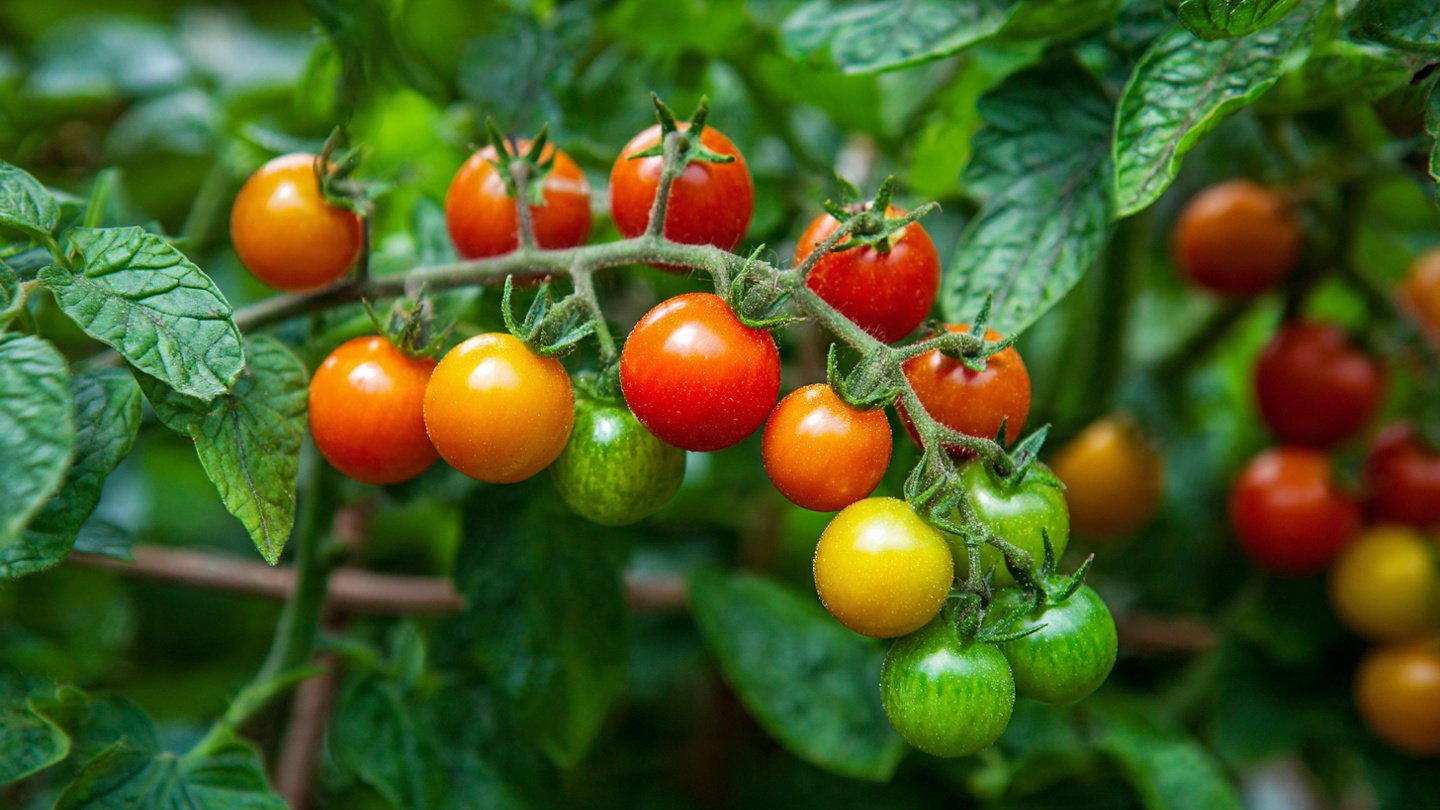
Tomatoes are a beloved staple in kitchens worldwide, adding flavor, nutrition, and color to countless dishes. While many gardeners dream of cultivating large, juicy beefsteak tomatoes, small tomatoes—like cherry, grape, and cocktail varieties—offer unique advantages that make them perfect for home gardening. Despite their petite size, small tomatoes can deliver a huge harvest if grown correctly, making them a favorite for both novice and experienced gardeners. In this guide, we’ll explore everything you need to know about growing small tomatoes at home for maximum yield.
Why Grow Small Tomatoes?
Small tomatoes are more than just adorable—they’re versatile, productive, and relatively easy to grow. Here are some reasons why home gardeners love them:
- High Yield in Small Spaces: Tiny tomatoes can produce an abundance of fruit, making them perfect for balconies, patios, and small gardens.
- Quick Maturation: Many small tomato varieties ripen faster than larger types, allowing multiple harvests in a single season.
- Resilience: Small tomatoes tend to be less prone to cracking and disease compared to larger varieties.
- Culinary Versatility: Perfect for salads, snacking, roasting, or making sauces, they add flavor and color to every dish.
With the right techniques, you can turn a small plant into a fruiting powerhouse that produces dozens—or even hundreds—of delicious tomatoes.
Choosing the Right Small Tomato Varieties
The first step to a bountiful harvest is selecting the right variety for your space and climate. Some popular small tomato types include:
- Cherry Tomatoes: Round and sweet, these are perfect for snacking and salads. Varieties like ‘Sweet 100’, ‘Sungold’, and ‘Super Sweet 100’ are prolific producers.
- Grape Tomatoes: Oblong and slightly firmer than cherry tomatoes, grape tomatoes like ‘Juliet’ or ‘Red Grape’ are excellent for roasting and sauces.
- Cocktail Tomatoes: Slightly larger than cherries but smaller than standard tomatoes, these varieties, such as ‘Tiny Tim’ or ‘Tumbling Tom’, are great for container gardening.
- Currant Tomatoes: Tiny as marbles, these mini tomatoes are ideal for making sauces, jams, or for snacking straight off the vine.
When selecting a variety, consider your growing space, climate, and whether you want determinate (bushy) or indeterminate (vining) plants. Indeterminate types keep producing fruit throughout the season, making them ideal for maximum yield.
Starting Small Tomato Seeds Indoors
Starting small tomato plants from seeds gives you the best control over growth and ensures strong, healthy seedlings. Follow these steps for success:
- Timing: Start seeds indoors 6–8 weeks before the last expected frost. This gives your plants a head start on the growing season.
- Seed Trays & Soil: Use a seed-starting mix that is light, well-draining, and nutrient-rich. Avoid heavy garden soil, which can impede germination.
- Planting: Sow seeds about 1/4 inch deep and gently water to keep the soil moist.
- Temperature & Light: Keep the soil at 70–80°F for optimal germination. Provide 12–16 hours of bright, indirect light per day using grow lights or a sunny windowsill.
- Transplanting: Once seedlings develop 2–3 sets of true leaves, transplant them into individual pots or larger containers to allow roots to grow strong.
Healthy seedlings are the foundation for a massive tomato harvest. The stronger your plants start, the more fruit they’ll produce later.
Preparing Your Garden or Containers
Small tomatoes can thrive in garden beds, raised beds, or containers. Here’s what you need to know:
- Soil: Use well-draining soil rich in organic matter. Adding compost or aged manure improves fertility and supports continuous fruiting.
- Sunlight: Tomatoes need at least 6–8 hours of direct sunlight per day. More sunlight generally leads to sweeter, more abundant fruit.
- Spacing: Even small tomatoes need room for airflow to prevent disease. Plant cherry tomatoes 18–24 inches apart; grape tomatoes may need similar spacing.
- Containers: If growing in pots, choose containers that are at least 12 inches deep. Use a high-quality potting mix and ensure proper drainage.
By creating ideal growing conditions, you’ll give your small tomato plants the energy they need to produce a huge harvest.
Watering and Fertilization for Maximum Yield
Water and nutrients are key to encouraging prolific fruiting:
- Consistent Watering: Keep soil evenly moist but not waterlogged. Small tomatoes are prone to splitting if they receive irregular watering.
- Deep Watering: Water at the base of the plant to encourage strong root growth. Avoid wetting the leaves, which can promote fungal diseases.
- Fertilization: Start fertilizing after the first flowers appear. Use a balanced fertilizer or one slightly higher in phosphorus and potassium to promote fruit development.
- Mulching: Apply organic mulch around the base to retain moisture, regulate soil temperature, and suppress weeds.
A consistent care routine ensures that your plants remain healthy and continue producing throughout the season.
Supporting Your Plants
Even small tomatoes benefit from support structures:
- Stakes: Drive a stake into the soil and tie the plant loosely as it grows. This prevents branches from breaking under the weight of fruit.
- Cages: Tomato cages are an easy way to support indeterminate varieties and keep fruit off the ground.
- Trellises: For vining small tomatoes, a trellis allows the plant to climb, improving air circulation and reducing disease risk.
Proper support maximizes yield and keeps fruit clean, healthy, and easy to harvest.
Pruning and Pinching for More Fruit
Pruning small tomato plants may seem counterintuitive, but it encourages larger, healthier yields:
- Remove Suckers: Suckers are shoots that grow between the main stem and branches. Removing them directs energy into fruit production.
- Trim Lower Leaves: Cut lower leaves that touch the soil to prevent fungal infection.
- Pinch Off Flowers Early: For very young plants, removing some early flowers can help the plant establish stronger roots and stems.
Pruning is especially useful for indeterminate varieties, which can grow extensively if left unchecked.
Pest and Disease Management
Even tiny tomatoes can attract pests and diseases. Keeping your plants healthy ensures maximum yield:
- Common Pests: Watch for aphids, whiteflies, and spider mites. Insecticidal soap or neem oil can control infestations.
- Fungal Diseases: Leaf spot, blight, and powdery mildew are common. Proper spacing, pruning, and watering at the base help prevent these issues.
- Regular Monitoring: Check plants weekly for signs of stress, discoloration, or pests. Early intervention is key to protecting your harvest.
Healthy, pest-free plants naturally produce more fruit and grow vigorously.
Harvesting Small Tomatoes
Small tomatoes reward gardeners with frequent harvests. To maximize yield:
- Pick Ripe Fruit Regularly: Frequent harvesting encourages more flowers to develop and more fruit to set.
- Use Gentle Handling: Small tomatoes bruise easily. Handle carefully to avoid damaging the fruit or plant.
- Harvest in the Morning: Morning harvesting preserves the tomato’s flavor and firmness.
By staying consistent with harvesting, your plant will continue producing until the end of the season.
Tips for Year-Round Production
If you want to keep small tomatoes producing even longer:
- Grow Indoors or in Greenhouses: Extend the growing season by protecting plants from frost.
- Succession Planting: Start new plants every few weeks to ensure a continuous supply.
- Choose Disease-Resistant Varieties: Modern hybrids often resist common tomato diseases, keeping plants productive longer.
With these strategies, even a small home garden can yield a mountain of tomatoes for months.
Conclusion
Growing small tomatoes at home is a rewarding endeavor. These tiny fruits can produce an abundance of flavor, color, and nutrition if you follow the right steps—from selecting the right varieties and starting seeds indoors to proper watering, fertilization, pruning, and harvesting. Unlike their larger cousins, small tomatoes thrive in compact spaces, mature quickly, and often resist pests and diseases more effectively.
With careful attention to their needs and a little planning, your small tomato plants can produce a huge harvest, delighting your family with fresh, sun-ripened fruit all season long. Whether you enjoy snacking on cherry tomatoes, tossing grape tomatoes into salads, or making homemade sauces, small tomatoes prove that big things really do come in tiny packages.